
Alicante, Spain – Patients in Spain face an average delay of five to seven years between the onset of symptoms and a confirmed diagnosis of nasal polyps, a chronic inflammatory disease impacting quality of life, according to Dr. Irene Monjas, an otorhinolaryngologist at the General Hospital of Alicante and the Quirósalud Alicante Medical Center.
While advancements in molecular biology have led to novel treatments that have “radically” changed the approach and prognosis for chronic rhinosinusitis with nasal polyps, the diagnostic challenge remains significant. The condition, affecting an estimated 1 to 4 percent of adults, is often misdiagnosed or initially dismissed as a common cold, sinusitis, or allergies.
“The problem is that these symptoms usually develop gradually and can be easily confused with very common processes,” Dr. Monjas explained. Symptoms include persistent nasal obstruction, a diminished sense of smell, facial pressure, and postnasal drip. The impact extends beyond physical discomfort, affecting sleep, respiratory capacity, function performance, and social life. Notably, loss of smell can be profoundly debilitating, with patients unable to recognize familiar scents, including loved ones or even the smell of smoke.
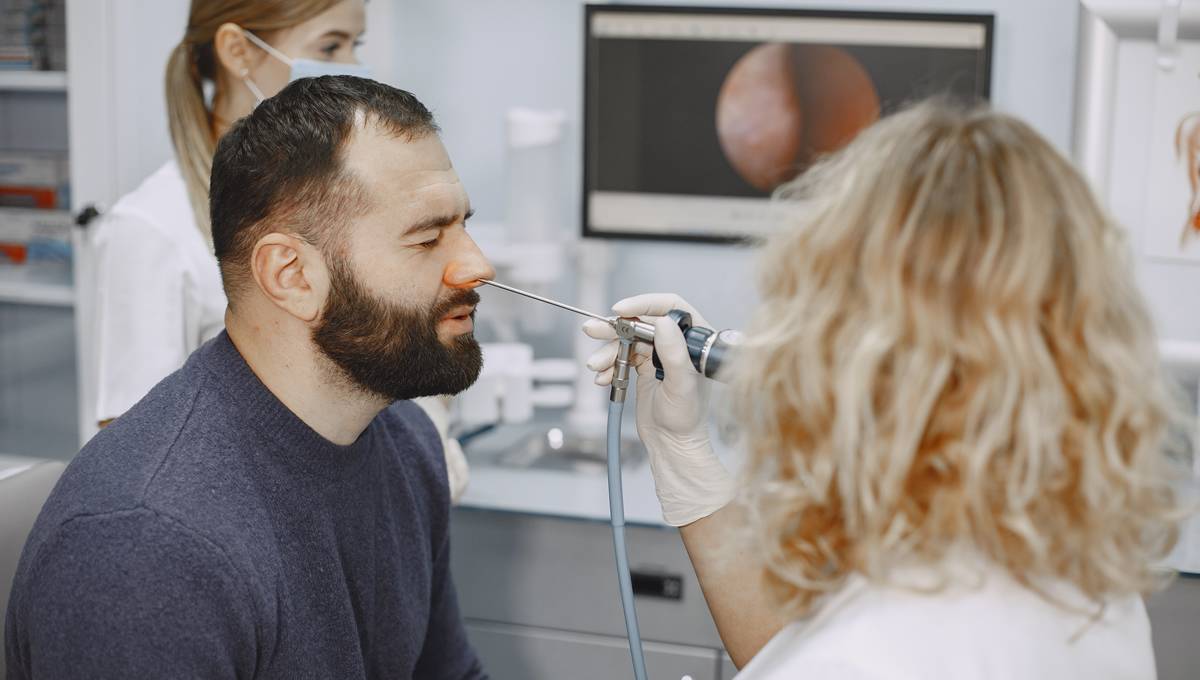
The diagnostic process often requires specialized testing not readily available in primary care settings. Confirmation typically involves a computed tomography (CT) scan or, more directly, an endoscopic examination of the nasal passages by an otorhinolaryngologist.
Early detection is crucial, as the condition tends to progress if left untreated. Nasal polyps are frequently associated with type 2 inflammation, a systemic inflammatory response also linked to asthma and intolerance to non-steroidal anti-inflammatory drugs. Individuals with asthma have a three to five times greater risk of developing nasal polyps compared to the general population. Identifying this inflammatory profile early allows for a comprehensive approach, preventing disease progression and improving both nasal and respiratory control.
Treatment options have improved significantly, including highly effective therapies and, in selected cases, biological treatments. But, these interventions are most effective when initiated promptly. A timely diagnosis facilitates the implementation of “the most appropriate treatment at the right time,” potentially reducing the need for repeated surgeries and systemic corticosteroids.
Distinguishing nasal polyps from allergic rhinitis can be challenging, as both share overlapping symptoms. However, persistent bilateral nasal obstruction, chronic anterior or posterior rhinorrhea, and a significant, lasting loss of smell (hyposmia or anosmia) are cardinal symptoms of nasal polyps. Symptoms lasting longer than 12 weeks are considered fundamental for diagnosis.
“We see imperative not to normalize symptoms that develop into chronic,” Dr. Monjas emphasized. Prompt identification of warning signs and appropriate referral to a specialist are essential to confirm the diagnosis, initiate appropriate treatment, and significantly alter the disease’s course and impact on a patient’s quality of life.
