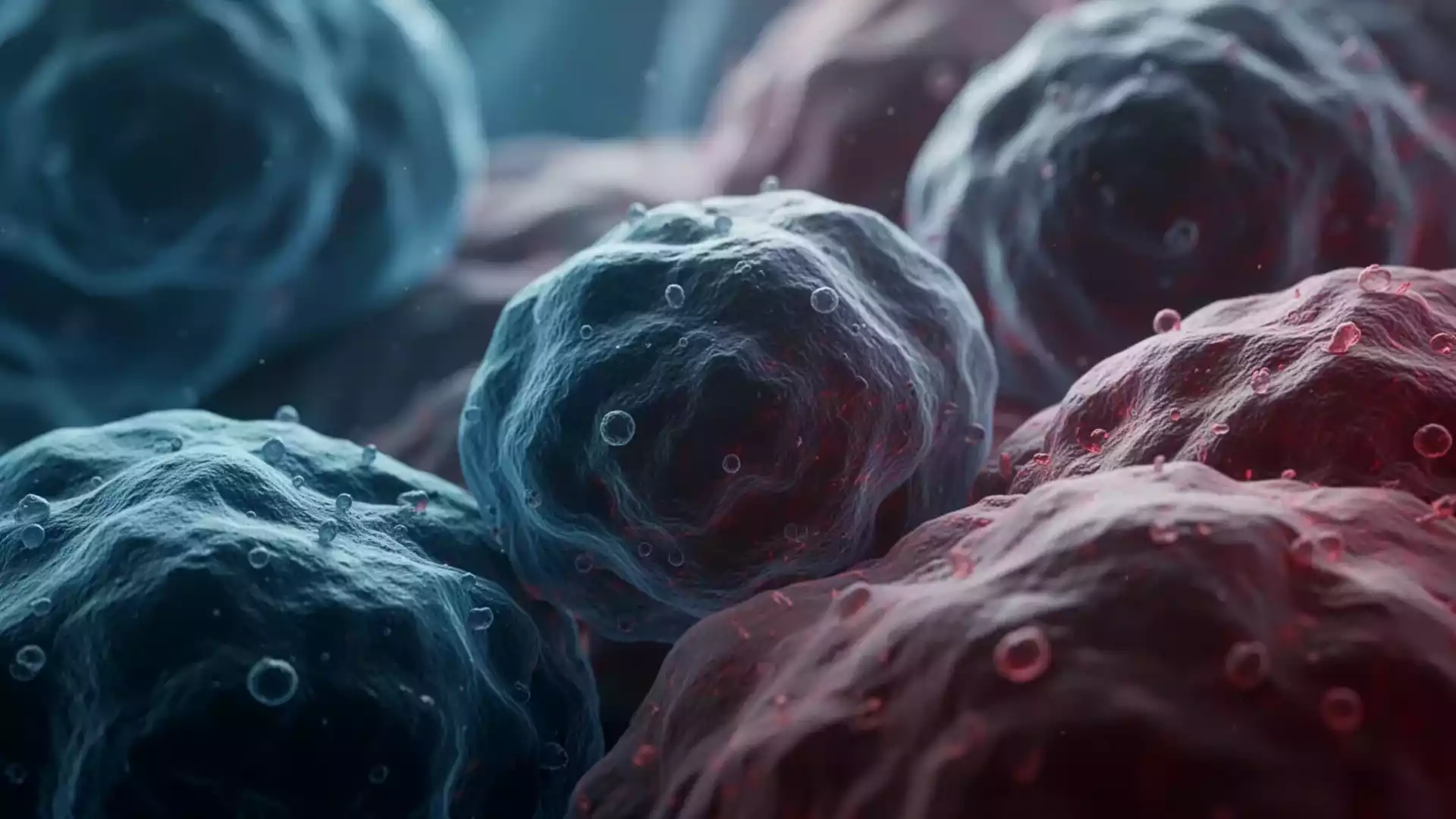
Chronic Inflammation and Cancer: Mechanisms, Risks, and Prevention
Heavy smoking combined with regular alcohol consumption increases the risk of developing mouth cancer by 35 times, according to data from a major international epidemiological analysis published in 2026. While using either substance independently raises the risk by only three to four times, the multiplicative interaction between tobacco and alcohol demonstrates a severe compounding hazard for oral malignancies.
- Massive Multiplier: Combining heavy smoking and drinking elevates mouth cancer risk 35-fold compared to non-users.
- Preventable Burden: Data from the World Health Organization and International Agency for Research on Cancer indicate four out of ten global cancer diagnoses stem from avoidable lifestyle and environmental factors.
- Primary Drivers: Alongside tobacco and alcohol, leading contributors to preventable cancer rates include human papillomavirus (HPV) infections, obesity, and ultraviolet radiation.
Global Cancer Prevention and Modifiable Risk Factors
The study, published in Nature Medicine in early 2026 and modeled on global health metrics from the World Health Organization (WHO) and the International Agency for Research on Cancer (IARC), evaluated roughly 30 distinct risk factors to project cancer burdens. The models indicate that approximately four out of every ten cancer diagnoses worldwide can be attributed to preventable exposures. With global incidence running at roughly 20 million new cases and 10 million deaths annually, modifiable risk factors remain a primary target for international public health interventions.
When looking at specific regions, the analysis estimates that roughly one-third of all cancer cases in Switzerland are preventable, with male populations showing a slightly higher attributable fraction than females. Tobacco, HPV infections, alcohol consumption, excess body weight, and UV radiation make up the primary cluster of these avoidable drivers. Viral transmission plays a major regional role, with viral hepatitis establishing the highest regional liver cancer rates globally in locations such as Mongolia.
Infections and Chronic Inflammation as Tumor Drivers
Beyond lifestyle toxins, chronic inflammation and persistent infections occupy an increasingly prominent role in modern oncology research. Pulitzer-winning oncologist Siddhartha Mukherjee noted in a media appearance that persistent low-grade inflammation can awaken dormant cancer cells, serving as a potential biological marker for future oncological disease progression. In parallel, Aditya Vidushi points to bacterial drivers such as Helicobacter pylori in stomach cancer development, alongside obesity-linked inflammation elevating risks for colorectal, breast, pancreatic, and liver cancers.
Cellular mechanisms driving these processes are becoming clearer through recent peer-reviewed literature. A comprehensive review published in the Journal of Ovarian Research, authored by researchers Tan, Wang, and Smerat, identifies chronic inflammation as an active engine for ovarian cancer proliferation. The authors map out four major intracellular signaling cascades—NF-κB, JAK/STAT, PI3K/AKT, and MAPK—that fuel tumor expansion while immunosuppressive cells like tumor-associated macrophages and regulatory T-cells blunt the body’s immune defense.
Monitoring Hidden Tissue Signals Over Visible Symptoms
Efforts to catch tissue degeneration before frank malignancy occurs have led researchers to look beyond standard clinical presentations. Investigators at the Garvan Institute of Medical Research analyzed colorectal cancer risks in patients diagnosed with primary sclerosing cholangitis combined with inflammatory bowel disease. Their findings revealed that cancer risk in this group is roughly three times higher than in patients with ulcerative colitis alone, even though outward clinical flare-ups appear milder.
Microscopic examination of seemingly normal intestinal tissue uncovered infiltrating cytotoxic immune cells and mast cells, signaling an invisible, subclinical inflammatory state. Consequently, researchers emphasize the necessity of monitoring these hidden tissue biomarkers rather than relying solely on surface symptoms or patient-reported flare-ups.
Disclaimer: The information provided in this article is for educational and scientific communication purposes only and does not constitute medical advice. Always consult with a qualified healthcare provider regarding any medical condition, diagnosis, or treatment plan.