
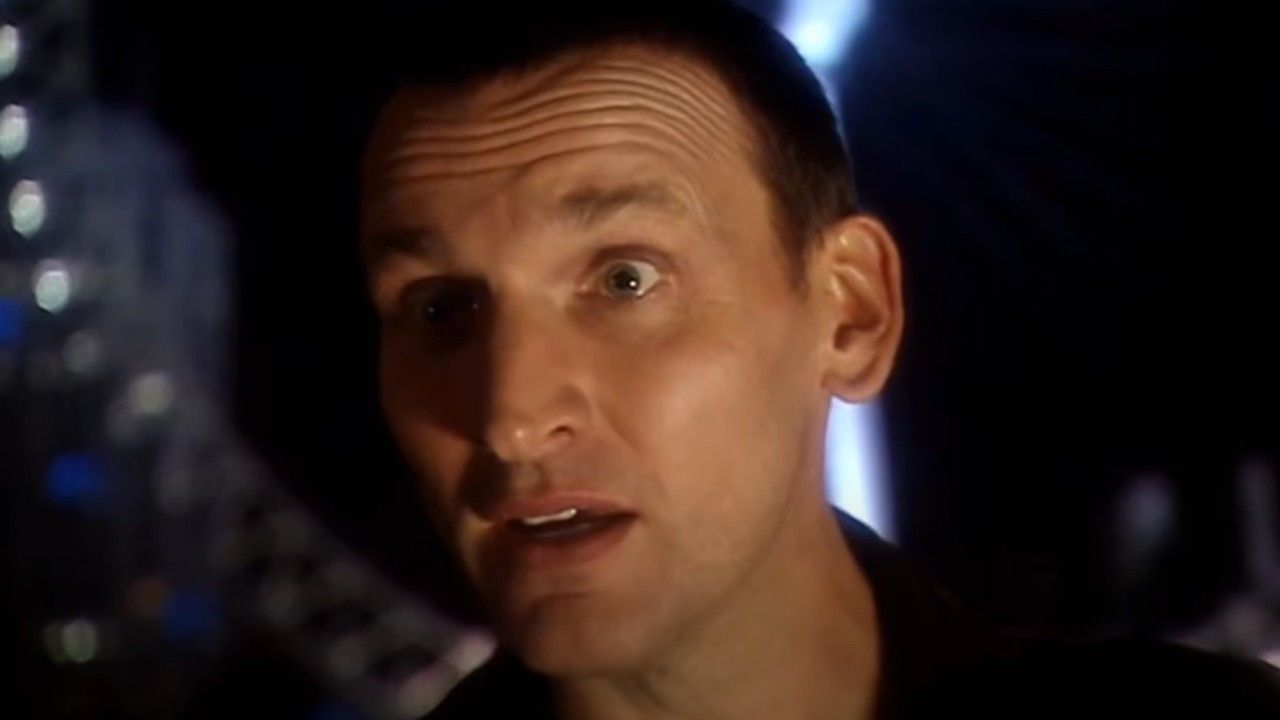
Christopher Eccleston Would Return to Doctor Who Under One Condition
Christopher Eccleston defines his Ninth Doctor return condition at C2E2 2026: a female showrunner must extend the invitation. This demand highlights ongoing diversity gaps in television leadership while Disney Entertainment restructures its executive tier. The move pressures BBC Studios and Disney+ to align creative vision with corporate inclusion metrics.
Christopher Eccleston does not deal in nostalgia without accountability. Speaking at C2E2 2026, the actor who revitalized Doctor Who in 2005 outlined a specific contractual and creative prerequisite for his return to the TARDIS. He refuses to engage with the current male-dominated leadership structure. Instead, he waits for a female showrunner to take the helm. This stance transforms a simple casting rumor into a significant commentary on intellectual property stewardship and gender equity in high-budget syndication.
The Ninth Doctor’s tenure remains an outlier in the modern era, lasting only 13 episodes before his departure. While successors like David Tennant and Matt Smith enjoyed multi-year runs, Eccleston’s exit left a lingering question of brand equity. His recent comments suggest the issue was never personal animosity but structural exclusion. He envisions a young girl who watched his 2005 run growing up to lead the writers’ room. Only then would he reconsider his position. This condition places the ball firmly in the court of BBC Studios and their international distribution partner, Disney.
Corporate restructuring at the highest levels often dictates creative possibilities. In March 2026, Dana Walden unveiled a new Disney Entertainment leadership team, promoting Debra OConnell to Chairman of Disney Entertainment Television. This shift signals a broader consolidation of TV brands under OConnell’s oversight, including ABC Entertainment. Such executive shuffling impacts how legacy IPs are managed across streaming platforms. When a conglomerate adjusts its hierarchy, the ripple effects reach production budgets and showrunner appointments. The pressure to diversify leadership is not just cultural; it is a financial imperative to maintain SVOD subscriber growth in a saturated market.
Historical data supports Eccleston’s observation regarding the glass ceiling. Since the 2005 revival, the show has cycled through Russell T Davies, Steven Moffat, and Chris Chibnall. All men. The UCLA Hollywood Diversity Report consistently highlights the disparity in showrunner demographics across broadcast and streaming. When a franchise relies on legacy actors to boost viewership metrics, the negotiation leverage shifts. Eccleston understands his value proposition. He is not merely an actor seeking work; he is a stakeholder protecting the brand’s cultural relevance.
“The industry talks about inclusion, but the power centers remain static. Changing the showrunner changes the DNA of the production.” — Industry Analyst, Variety
This sentiment echoes across trade publications, noting that backend gross and creative control often remain tied to established networks of male producers.
Handling a return of this magnitude requires precise legal and reputational management. The studio cannot simply issue a press release. They must navigate potential IP disputes and ensure the narrative aligns with current corporate social responsibility goals. This is where specialized entertainment law and IP firms become critical. Drafting a contract for a legacy actor involves complex clauses regarding likeness rights, merchandise royalties, and creative approval. A misstep here could lead to public fallout that damages the franchise’s brand equity beyond repair. Professional crisis communication firms often stand by to manage the舆论 if negotiations become public or contentious.
the logistical framework for announcing such a return involves major convention circuits. Eccleston made his statement at C2E2, a key touchpoint for fan engagement. Organizing panels of this scale requires robust event security and A/V production vendors to handle crowd control and media distribution. The synergy between talent appearances and convention logistics drives ticket sales and social media sentiment. If Disney and BBC plan to leverage Eccleston’s potential return for the upcoming Christmas special or beyond, the event management team must coordinate seamlessly with talent agencies to maximize exposure without leaking sensitive plot details.
The future of Doctor Who remains hazy despite confirmed holiday specials. The recent reveal of Billie Piper as a regeneration of the Doctor adds another layer of complexity to the lore. Yet, without a shift in the creative hierarchy, Eccleston’s Ninth Doctor remains in the vault. The industry watches to see if the new Disney Entertainment leadership under OConnell will prioritize the diversity metrics Eccleston demands. It is a test of whether corporate restructuring translates to genuine creative evolution. For now, the Ninth Doctor waits for a woman to call the shots.
As the television landscape evolves, the intersection of talent demands and corporate governance will define the next era of sci-fi franchises. Stakeholders monitoring these developments should consult the World Today News Directory for vetted professionals capable of navigating these high-stakes negotiations. Whether securing legal counsel for IP disputes or hiring PR teams to manage legacy brand revitalization, the right partners ensure the story continues without breaking the bank.
Disclaimer: The views and cultural analyses presented in this article are for informational and entertainment purposes only. Information regarding legal disputes or financial data is based on available public records.