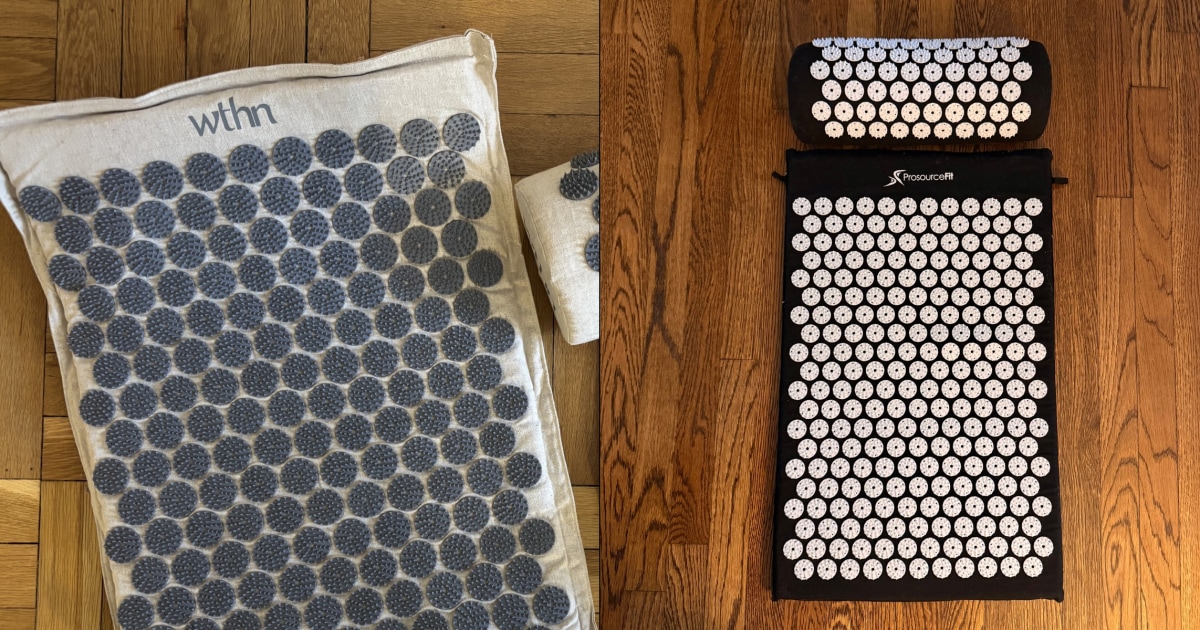
Choosing the Right Acupressure Mat for Relief and Better Sleep
As of July 14, 2026, the rise of acupressure mats as a mainstream recovery tool has prompted a surge in consumer interest regarding their efficacy for muscle tension and sleep quality. While often confused with acupuncture, these non-invasive mats utilize plastic spikes to stimulate pressure points, offering a self-administered wellness alternative.
Mechanical Stimulation vs. Clinical Acupuncture
The primary point of confusion for new users remains the terminology. Acupressure mats are distinct from acupuncture. Acupuncture is a clinical procedure that requires a licensed practitioner to insert fine needles into specific anatomical points to trigger a physiological response. In contrast, acupressure mats are passive devices designed for personal use at home.
According to physical therapy guidelines, the mats function by applying broad, distributed pressure across the skin. This pressure is intended to stimulate blood flow and release endorphins, which can alleviate muscle soreness. Unlike clinical interventions, these mats do not penetrate the dermis, making them a low-risk option for individuals managing chronic stiffness or stress-related muscle tension.
The Physiological Mechanism of Pressure Recovery
The spikes on an acupressure mat—typically made of ABS plastic—are designed to create a “prickling” sensation that evolves into localized heat. This sensation is a form of neuro-stimulation. By engaging the nervous system, users often report a reduction in the “fight or flight” response, which accounts for the anecdotal evidence suggesting improved sleep quality after a 15-to-20-minute session.
For those struggling with chronic pain patterns, relying solely on DIY tools can lead to injury if the underlying pathology is ignored. Individuals dealing with persistent inflammation should seek guidance from a [Licensed Physical Therapist] to ensure their home recovery routine complements, rather than interferes with, professional medical advice.
Navigating the Market: Material and Density
Not all mats are created equal. The effectiveness of the device depends on the density of the spikes and the firmness of the mat’s core. A higher density of spikes distributes weight more evenly, making the sensation less intense for beginners. Conversely, fewer spikes concentrate more force on specific areas, which is often preferred by experienced users seeking deeper tissue stimulation.
When selecting a mat, consumers should prioritize:
- Spike Material: Ensure the plastic is medical-grade and free of BPA or phthalates.
- Base Material: Organic cotton or linen covers are breathable and easier to sanitize.
- Dimensions: Mats that include a neck pillow provide better coverage for the cervical spine, a common area for tension accumulation.
Regional Wellness Trends and Professional Integration
In metropolitan hubs like New York and London, the integration of acupressure into corporate wellness programs has shifted the perception of home recovery tools. However, municipal health authorities emphasize that these devices should not replace clinical diagnosis. If persistent pain prevents daily activity, consulting with a [Board-Certified Orthopedic Specialist] is the necessary next step to rule out structural damage or nerve entrapment.
Dr. Elena Vance, a consultant in musculoskeletal health, noted in recent industry discourse: `The efficacy of acupressure mats is largely rooted in the downregulation of the sympathetic nervous system. It is a secondary recovery tool, not a primary treatment for injury.`
Infrastructure for Holistic Recovery
The marketplace for recovery equipment is currently flooded with unregulated, low-cost imports. High-quality devices are often vetted through third-party safety standards, such as those overseen by the Consumer Product Safety Commission. For those building a home recovery suite, it is vital to source equipment from manufacturers who provide transparency regarding material sourcing and safety testing.
For individuals managing long-term recovery, the challenge often lies in the logistical coordination of care. When home tools are insufficient, identifying a [Reputable Wellness and Rehabilitation Center] becomes the critical bridge between temporary relief and long-term musculoskeletal health.
The Kicker
The discomfort of the initial spike encounter is merely a transient barrier to the long-term benefits of improved circulation and reduced stress. However, as the wellness industry continues to expand, the distinction between genuine therapeutic support and mass-marketed fads will only sharpen. Relying on verified clinical expertise to guide your recovery journey is the only way to ensure that your home wellness routine remains a health asset rather than a temporary distraction. When the spikes aren’t enough, professional intervention remains the gold standard for sustainable recovery.