
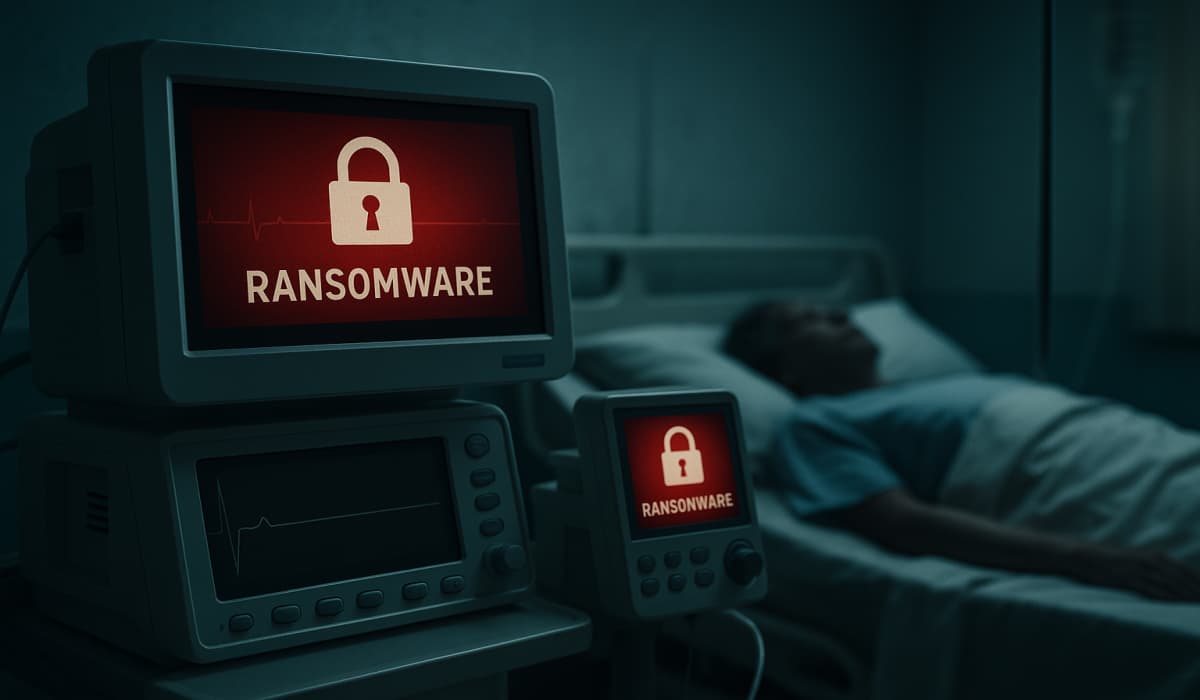
ChipSoft Ransomware Attack Hits Dutch Hospitals
ChipSoft, the dominant provider of electronic patient records in the Netherlands, has been hit by a ransomware attack. The breach potentially exposes sensitive patient data and threatens operations across approximately 70% of Dutch hospitals, forcing institutions to sever VPN connections to mitigate systemic risk and stop further data exfiltration.
This is not merely a technical glitch; This proves a systemic failure of a market leader that has created a dangerous single point of failure for the Dutch healthcare infrastructure. When a company controls 70% of the market, its security posture becomes the national security posture. The immediate fiscal fallout for affected hospitals is measured in operational paralysis—where the absence of digital records brings clinical workflows to a grinding halt—and the looming liability of massive GDPR fines. To survive the immediate contagion, healthcare boards are now scrambling to engage cybersecurity consultants to audit their remaining perimeter and ensure the ransomware hasn’t leaped from the vendor into the internal hospital networks.
The Operational Contagion of Market Dominance
The sheer scale of ChipSoft’s footprint transforms a corporate security breach into a public health crisis. According to a confidential alert issued by Z-Cert, the expertise center for digital security in healthcare, the attack has left hospitals in a precarious position. The directive was clear: break the VPN connections. In the world of B2B SaaS, the VPN is the umbilical cord that allows a provider to maintain and update software across a client’s network. Cutting that cord is a desperate act of digital quarantine.
Operational standstill is the primary risk. The sentiment echoed across the sector is stark: without ChipSoft, everything stops. This dependency creates a “monoculture” risk, similar to what is seen in agriculture or global finance, where one virus can wipe out an entire ecosystem because every entity is running the exact same code.
The financial implications extend far beyond the immediate cost of recovery. Hospitals face a surge in “invisible costs”—overtime for staff reverting to manual paper-based systems, delayed elective surgeries, and the potential for medical errors born of information asymmetry. Managing this level of institutional chaos requires the intervention of professional crisis management firms capable of coordinating between IT, legal, and clinical leadership.
The Data Integrity Void and Regulatory Exposure
ChipSoft has officially characterized the event as a “data-incident” involving “possible unauthorized access.” While the company has avoided using the word “ransomware” in its own statements, the reports from Z-Cert and the subsequent industry alarm abandon little room for ambiguity. The most alarming vector involves the web-linking of patient records to the internet, the very portal that allows patients to view their own data. If the attackers gained entry through these portals, the breach is not just a system outage—it is a massive exfiltration event.
The legal exposure here is staggering. Under the General Data Protection Regulation (GDPR), the unauthorized access to medical data—classified as a special category of sensitive data—carries the highest tier of penalties. ChipSoft admits it cannot rule out that personal data has been viewed or stolen. For the hospitals that rely on this software, the liability is shared. They are the data controllers; ChipSoft is the data processor. This distinction will lead to years of litigation regarding who is responsible for the failure of the security perimeter.
Institutions are now forced to consult data privacy legal specialists to navigate the mandatory notification windows and mitigate the risk of class-action lawsuits from patients whose most intimate health secrets may now be on the dark web.
The Macro Shift: Three Structural Changes to Healthcare IT
This event serves as a catalyst for a fundamental shift in how healthcare infrastructure is procured and managed. The era of blindly trusting a “market leader” for the sake of convenience is ending. The industry is now facing three inevitable transitions:
- The Death of the Software Monoculture: The 70% market share held by ChipSoft is now viewed as a liability rather than a sign of stability. Expect a strategic pivot toward “multi-vendor” strategies where critical data is mirrored across different platforms to ensure that a single attack cannot paralyze the entire national health system.
- The Mandate for Zero-Trust Architecture: The advice to sever VPN connections highlights the failure of traditional “perimeter” security. The industry will move toward Zero-Trust models, where no single connection—even from a trusted vendor like ChipSoft—is granted implicit trust. Every request for data will require continuous verification, regardless of where it originates.
- SaaS Accountability and Escrow: We are likely to see a rise in demands for “software escrow” and more rigorous security SLAs (Service Level Agreements) that include massive financial penalties for downtime. The power dynamic is shifting; hospitals will stop treating software as a utility and start treating it as a high-risk dependency that requires constant, independent auditing.
The immediate aftermath will be defined by the struggle to restore the website and secure the remaining portals. But the long-term narrative is about the fragility of centralized digital health.
As the dust settles on this breach, the broader corporate lesson is clear: dominance is a double-edged sword. For the vendors, it brings revenue; for the clients, it brings systemic risk. The market will now reward resilience over efficiency. For healthcare executives looking to diversify their tech stack or harden their defenses, the priority is no longer finding the biggest player in the room, but the most secure one. Finding vetted, specialized partners to manage this transition is the only way to avoid the next systemic collapse. The World Today News Directory remains the primary resource for identifying the enterprise services and legal experts capable of navigating this latest, high-risk digital landscape.