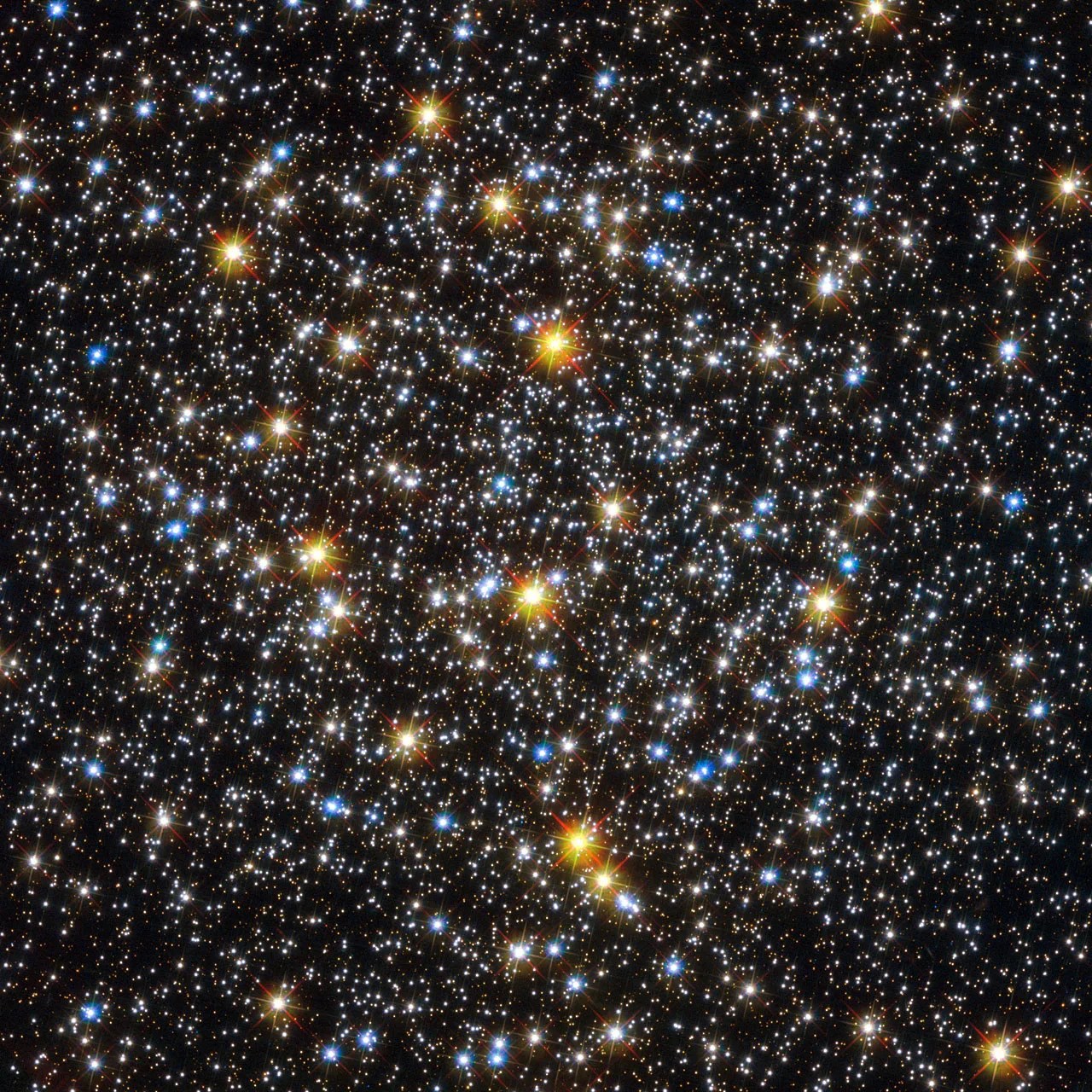
Chinese Telescope Discovers 20,000 Hidden Star Systems in Major Astronomical Breakthrough
Chinese astronomers have identified over 20,000 previously undetected stellar systems using the Five-hundred-meter Aperture Spherical radio Telescope (FAST), marking one of the largest single-survey discoveries of hidden binary and multiple star systems in the Milky Way. The findings, announced by the National Astronomical Observatories of the Chinese Academy of Sciences (NAOC), emerged from a systematic scan of the galactic plane conducted between 2020 and 2023. FAST’s unprecedented sensitivity allowed researchers to detect faint radio emissions from low-mass stellar companions that evade optical telescopes due to dust obscuration or overwhelming brightness of primary stars. Li Di, chief scientist of FAST and lead researcher on the project, stated that the survey focused on periodic radio signals indicative of orbital motion in close binary systems. “We looked for Doppler-shifted emissions that betray the gravitational dance of stars too dim or too close to be resolved visually,” Li said in a briefing at NAOC headquarters in Beijing. “What we found suggests a substantial population of stellar systems has been missing from our census of the galaxy.” The detected systems include compact binaries with orbital periods under 24 hours, as well as wider pairs separated by hundreds of astronomical units. Many reside in the Milky Way’s inner disk, where stellar density is high and interstellar interference complicates observation. Follow-up observations using optical and infrared telescopes at the Xinglong Station in Hebei Province are underway to characterize the properties of these newly found systems. The discovery implies that current models of stellar multiplicity may significantly underestimate the fraction of stars born in multiples. Theoretical astrophysicists note that if confirmed, the results could affect estimates of stellar evolution pathways, supernova rates, and gravitational wave sources from merging compact objects. FAST, located in a natural karst depression in Guizhou Province, began full operations in January 2020. Since then, it has contributed to the detection of fast radio bursts, pulsars, and molecular clouds. The stellar multiplicity survey represents one of its largest dedicated time allocations to date. No official response has been issued by the International Astronomical Union regarding potential updates to stellar catalogs. NAOC scientists said they are preparing a data release for global researchers later this year, pending validation of candidate systems through multi-wavelength confirmation. The team emphasized that the count of 20,000 remains provisional, subject to refinement as analysis continues.