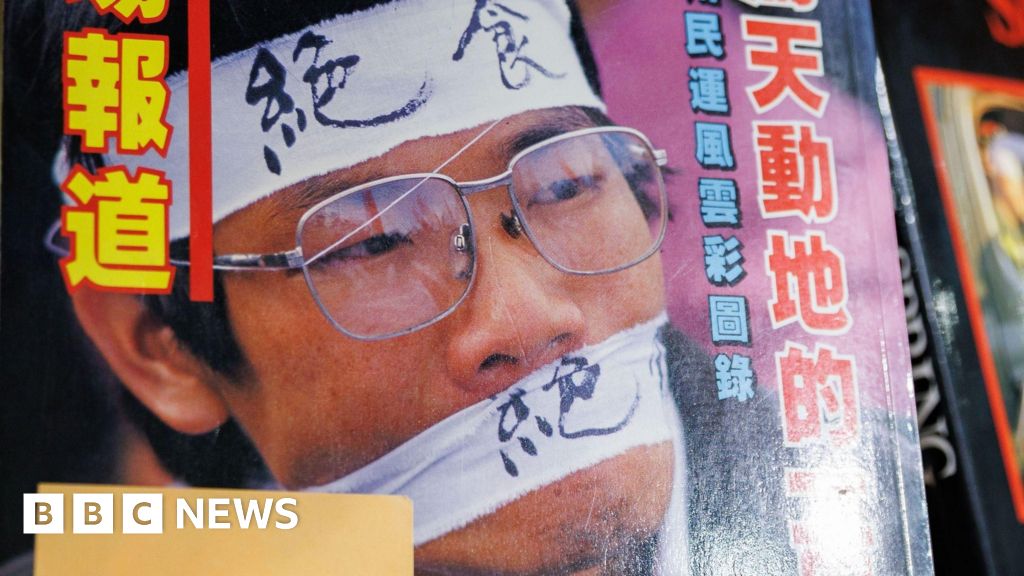
Chinese Readers Face Shrinking Freedoms in Hong Kong Bookshops
Independent bookshops across China and Hong Kong that once served as vital spaces for public discussion and intellectual freedom are now quietly closing their doors, as booksellers face escalating raids, government criticism, and self-censorship under tightening security laws. According to reporting from the BBC and local observations, once-vibrant cultural hubs are disappearing from the retail landscape as the boundaries of acceptable discourse shrink.
The chilling effect has transformed a retail sector that previously welcomed critical thought and public forums. Writing for the BBC, reporters documented how spaces now encounter heightened surveillance. Zhu told the BBC that she senses freedom being curtailed more rapidly in Hong Kong than on the mainland. At a recent bookshop event, she recalled government officials entering the premises. “They just sat there listening alongside us,” she said, according to the BBC.
This atmosphere of surveillance has forced many independent operators to retreat into obscurity or shutter permanently. A bookseller who spoke to the BBC on the condition of anonymity due to fear of repercussions noted that even low-profile establishments are targeted. “Luck Win Bookstore and Elmbook have always kept a very low profile,” the bookseller told the BBC, adding, “They rarely make public statements or organise events. I genuinely can’t think of anything they could have done to offend the government.”
State-aligned media pressure has played a central role in the contraction. In the weeks leading up to a recent book fair, both Luck Win Bookstore and Elmbook faced public criticism in Wen Wei Po, a newspaper controlled by Beijing’s liaison authorities in Hong Kong. The publication accused the shops of selling books that promote “soft resistance.” The targeted inventory included historical and political volumes such as The Hong Kong Diaries by Chris Patten, the last governor of Hong Kong prior to the city’s return to Chinese rule, and 300 Short Essays by the late Apple Daily columnist Lee Yee, whose newspaper was shuttered under the region’s sweeping security laws.
Industry observers note that the lack of explicit legal boundaries is a deliberate mechanism of control. “The authorities don’t want people to know exactly where the boundaries are,” Tong Kin-long of University College London told the BBC. “They want people to work out the red lines for themselves, or to censor themselves before crossing them.”

This dynamic mirrors a historical shift observed on mainland China a decade ago. A visitor from Sichuan identified as K recalled to the BBC a time when mainland bookshops prominently displayed liberal books and magazines while hosting regular public discussions. Around 2015, K noted a gradual tightening that began with books about country leaders before expanding to less obviously sensitive titles, ultimately altering the retail atmosphere entirely. Today, physical bookshops operating on the mainland face routine intimidation, including police harassment and abrupt power outages during independent film screenings, according to accounts gathered by the BBC.
As media scrutiny and regulatory pressure reshape the cultural retail market, businesses operating in sensitive regulatory environments frequently rely on specialized guidance.
Disclaimer: The views and cultural analyses presented in this article are for informational and entertainment purposes only. Information regarding legal disputes or financial data is based on available public records.