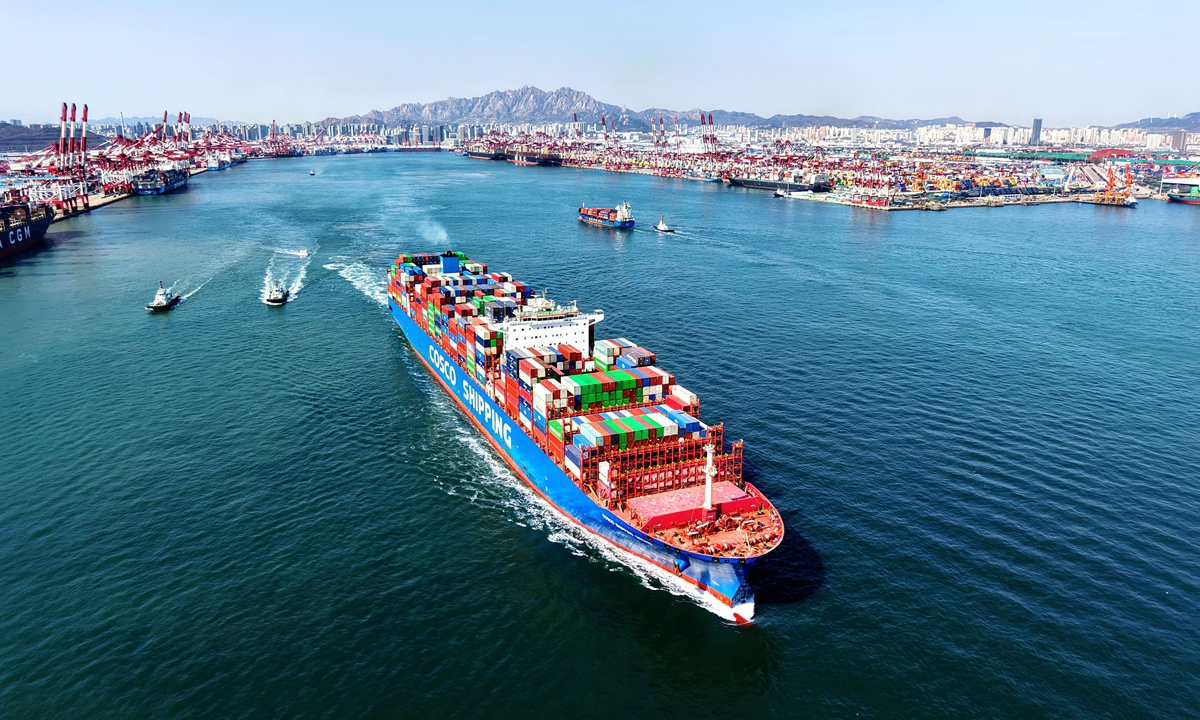
"China Expands Direct Shipping Routes to Africa Boosting Trade Ties"
In April 2026, China’s major coastal ports—Shanghai, Ningbo, and Guangzhou—launched over a dozen modern direct shipping routes to African hubs like Durban, Mombasa, and Lagos, slashing transit times by up to 40% and signaling a structural shift in Sino-African trade. This isn’t just a logistical tweak; it’s a geopolitical maneuver that redefines supply chains, tests Western influence, and forces African nations to recalibrate their infrastructure, legal frameworks, and economic alliances.
The stakes couldn’t be higher. For decades, African importers and exporters have relied on circuitous routes through Europe or the Middle East, adding weeks to shipments and inflating costs. Now, with China cutting out the middleman, the continent’s trade corridors are being redrawn in real time. But this efficiency comes with a catch: it binds Africa’s economic future more tightly to Beijing’s orbit, raising questions about debt sustainability, local job creation, and the long-term viability of African industrialization.
The Ports at the Heart of the Shift
Three Chinese ports are leading the charge:
- Shanghai: Now offers weekly direct sailings to Lagos, Nigeria, reducing transit from 45 to 28 days. The route is a lifeline for Nigeria’s manufacturing sector, which imports 70% of its raw materials from China.
- Ningbo: Launched a biweekly service to Mombasa, Kenya, cutting transit from 35 to 22 days. This route is already being used to export Kenyan avocados and coffee, but also to flood the market with Chinese electronics and textiles.
- Guangzhou: Added a direct link to Durban, South Africa, the continent’s busiest port. The route is expected to handle 300,000 TEUs (twenty-foot equivalent units) annually, a 20% increase in South Africa’s container throughput.
These aren’t just numbers on a spreadsheet. They represent a fundamental reordering of trade flows. For African businesses, the shorter routes mean lower shipping costs and faster inventory turnover. For Chinese manufacturers, it means tighter control over supply chains and reduced reliance on Western-dominated shipping lanes. But for African governments, it means a delicate balancing act: how to leverage Chinese investment without ceding economic sovereignty.
The Debt Dilemma: Who Really Benefits?
China’s Belt and Road Initiative (BRI) has already poured over $150 billion into African infrastructure since 2013, much of it in ports, railways, and highways. The new shipping routes are the latest chapter in this story, but they also raise red flags. Take Mombasa Port, which Kenya handed over to China in 2018 as collateral for a $3.2 billion loan to build the Standard Gauge Railway. Now, with direct shipping routes bypassing traditional hubs like Dubai, Mombasa’s strategic value is skyrocketing—but so is Kenya’s debt exposure.

“This isn’t just about trade; it’s about control. Every new direct route is a thread in a larger web of economic dependence. African nations must ask themselves: Are we building infrastructure, or are we building a cage?”
— Dr. Amina Okoro, Director of the African Policy Institute and former economic advisor to the Nigerian Ministry of Trade.
The numbers back up Okoro’s warning. According to a 2025 report by the International Monetary Fund, African nations owe China nearly $160 billion, with 60% of that debt tied to BRI projects. The new shipping routes will likely accelerate this trend, as African ports scramble to upgrade their facilities to handle increased traffic—often with Chinese loans and contractors.
Local Impact: Winners and Losers
The shift isn’t uniform. Some African cities stand to gain; others risk being left behind.
| Region | Opportunity | Risk |
|---|---|---|
| Durban, South Africa | Expected to develop into the continent’s top transshipment hub, with a projected 15% increase in port revenue by 2028. | Local dockworkers’ unions warn of job losses as Chinese firms bring in their own labor for port upgrades. |
| Lagos, Nigeria | Faster access to Chinese machinery and electronics could boost Nigeria’s struggling manufacturing sector. | Local textile producers fear being undercut by cheaper Chinese imports, threatening 200,000 jobs. |
| Mombasa, Kenya | New routes could turn Mombasa into a regional trade gateway, attracting investment in logistics and warehousing. | Kenya’s debt-to-GDP ratio, already at 70%, could climb further if port revenues fall short of projections. |
For African businesses, the new routes present a paradox. On one hand, they offer a chance to diversify supply chains and reduce costs. On the other, they deepen reliance on a single trading partner. Tunde Adewale, CEO of African Logistics Group, a Lagos-based freight forwarding firm, puts it bluntly:
“We’re seeing a 30% drop in shipping costs for our clients, which is huge. But we’re also seeing Chinese firms setting up shop in our ports, undercutting local logistics providers. It’s a double-edged sword.”
The Legal Minefield: Navigating New Trade Agreements
Behind the scenes, the new shipping routes are forcing African governments to renegotiate trade agreements, customs protocols, and investment laws. In South Africa, the government is fast-tracking amendments to its Customs and Excise Act to streamline clearance for Chinese goods. Meanwhile, in Nigeria, lawmakers are debating a new Ports and Harbours Bill that would provide foreign firms greater control over terminal operations—a move critics say could erode local sovereignty.
For businesses caught in this transition, the legal complexities are daunting. Companies importing Chinese machinery, for example, now face a patchwork of new tariffs, labeling requirements, and inspection protocols. Fatima Bello, a partner at Nigerian commercial law firm Bello & Co., advises her clients to act now:
“The window to adapt is closing. Firms that don’t proactively restructure their supply chains and legal frameworks risk being locked out of the new trade corridors—or worse, being buried under compliance costs.”
The Directory Bridge: Who Solves These Problems?
This isn’t just a story about ships and ports. It’s a story about the professionals, businesses, and organizations that will shape—and be shaped by—this shift. Here’s who stands to gain:

- Customs Brokers and Trade Compliance Firms: With new routes come new regulations. African importers and exporters will need expert guidance to navigate the maze of tariffs, inspections, and documentation. Vetted customs brokers are already seeing a surge in demand.
- Infrastructure and Logistics Consultants: Ports like Durban and Mombasa need upgrades to handle increased traffic. Local governments and private investors are turning to specialized consultants to design and finance these projects without falling into debt traps.
- Commercial Real Estate Attorneys: As Chinese firms set up distribution hubs near African ports, disputes over land leases, zoning laws, and labor contracts are inevitable. Top-tier real estate attorneys will be in high demand to protect local interests.
For African entrepreneurs, the message is clear: adapt or risk irrelevance. The new shipping routes are a wake-up call. Those who move quickly to integrate into the new trade corridors will thrive. Those who don’t will find themselves sidelined in their own markets.
The Long Game: What Happens Next?
China’s push into African ports isn’t happening in a vacuum. It’s part of a broader strategy to counter Western dominance in global trade. The U.S. And EU have taken notice, with the U.S. Strategy Toward Sub-Saharan Africa and the EU-Africa Strategic Partnership both emphasizing the need to offer African nations alternatives to Chinese investment. But these efforts are playing catch-up. China’s head start is measured in years, if not decades.
For Africa, the challenge is to turn this moment into an opportunity. The new shipping routes could be a catalyst for industrialization, job creation, and economic diversification—or they could deepen dependence on a single trading partner. The difference will come down to the choices African leaders make today.
One thing is certain: the map of global trade has changed. The question is whether Africa will be a passenger on this journey—or the one steering the ship.
As this story unfolds, the World Today News Directory will continue to track the ripple effects across industries, governments, and communities. For those navigating this new landscape, the key is to act decisively. Whether you’re a logistics firm adapting to new routes, a manufacturer renegotiating supply chains, or a government official drafting trade policies, the time to prepare is now. The professionals who understand this shift—and the tools to leverage it—will define the next chapter of African trade.
Related reading
- Barack Obama campaigns for Abdul el-Sayed in Detroit
- Trump Administration Targets Legal Immigrants Seeking Citizenship in Crackdown on Voter Fraud
- China-Indonesia Photo Exhibition in Jakarta Highlights Deepening Friendship and Cooperation (archyde.com)
- China’s clean energy advancements accelerate global transition, says IEA (newsy-today.com)