
China Commodity Futures Market: Mixed Trends and Price Volatility
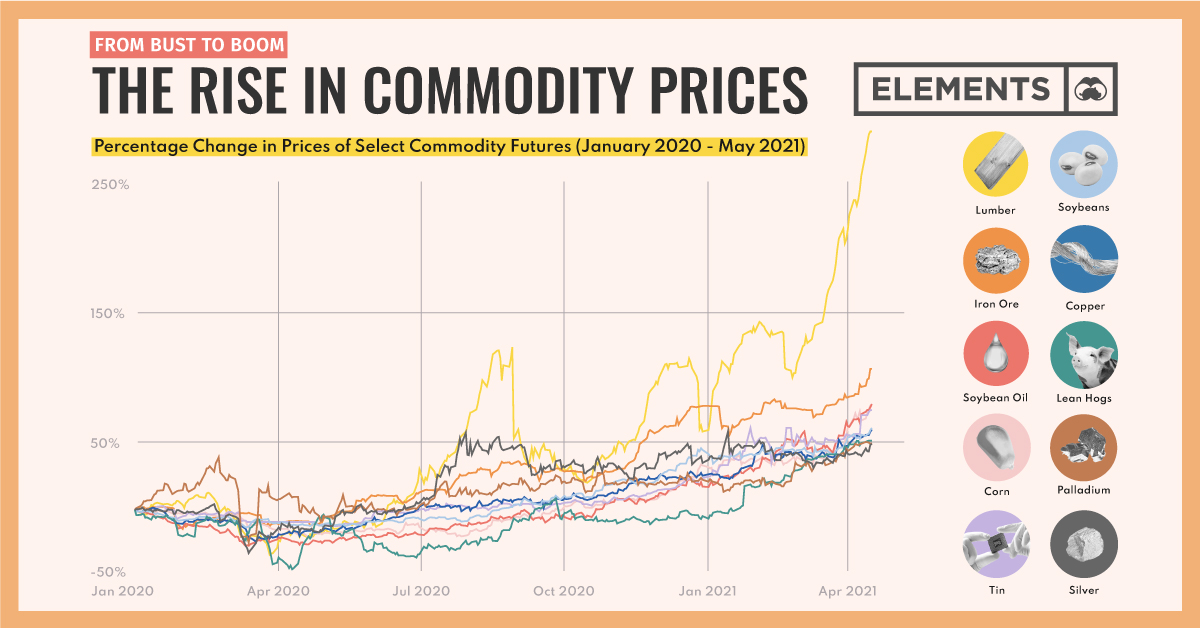
Chinese commodity futures markets opened with fragmented volatility on April 7, 2026, as lead contracts showed divergent movements. While ethylene glycol surged over 5%, energy and chemical sectors faced sharp corrections, contrasting with a bullish rally in precious metals amid shifting global macroeconomic signals and domestic industrial demand.
This volatility isn’t just a “bad morning” for traders; it is a systemic signal of pricing instability. When lead contracts swing wildly, the ripple effect hits downstream manufacturing margins instantly. For B2B enterprises, this creates a critical hedging gap. Firms unable to lock in costs are currently scrambling to engage commodity risk management consultants to prevent margin erosion before the next fiscal quarter.
The Divergence: Chemical Surges vs. Energy Collapses
The current market architecture is defined by a violent decoupling. We are seeing a “K-shaped” recovery in commodities where specialty chemicals are decoupling from the broader energy complex. Ethylene glycol’s 5% jump suggests a localized supply crunch or a strategic pivot in polyester feedstock demand. Conversely, the “energy-chemical” cluster has entered a period of aggressive liquidation.
The problem is liquidity. As energy futures slide, the cost of carry becomes prohibitive for smaller players. This forces a cascade of margin calls, pushing the market toward a liquidity trap. To navigate this, institutional players are shifting their focus toward corporate treasury services to optimize their cash positions and ensure they have the collateral necessary to maintain long-term hedges.
Volatility is the only constant.
Decoding the Macro Shift: Why the Pivot Matters
- The Precious Metals Hedge: The strength in gold and silver isn’t accidental. It reflects a deep-seated distrust in fiat stability and a hedge against potential currency devaluation. As the U.S. Federal Reserve signals a nuanced approach to quantitative tightening, capital is fleeing volatile industrial assets for the safety of hard assets.
- The Pig Cycle Crisis: The collapse of live hog futures below 9,500 RMB/ton marks a historic low. This isn’t just a price drop; it’s a systemic failure in the protein supply chain. Overcapacity has finally collided with dampened consumer spending, creating a deflationary spiral in the agricultural sector.
- Chemical Feedstock Volatility: The surge in ethylene glycol highlights a bottleneck in the petrochemical midstream. When specific inputs spike while the broader energy market crashes, it creates a “scissors effect” that crushes the EBITDA margins of plastic and textile manufacturers.
This environment demands more than just a trading strategy; it requires a structural overhaul of how firms handle procurement. Many mid-cap industrial firms are now turning to supply chain optimization firms to diversify their sourcing and reduce reliance on single-region futures contracts.
“We are seeing a fundamental shift in how Asian markets price risk. The correlation between crude oil and downstream chemicals is breaking down, leaving firms exposed to basis risk that traditional hedging strategies simply cannot cover,” says Marcus Thorne, Chief Investment Officer at a leading global macro hedge fund.
The Fiscal Fallout: Margin Compression and Basis Risk
For the C-suite, the “mixed” opening of the futures market is a warning sign of upcoming earnings volatility. When lead contracts fluctuate without a clear trend, the ability to forecast COGS (Cost of Goods Sold) vanishes. This unpredictability leads to “conservative pricing,” where firms raise prices to protect margins, inadvertently killing demand in a slowing economy.

Looking at the broader landscape, the U.S. Bureau of Labor Statistics and other global monitors indicate a tightening of financial occupations’ roles in risk mitigation. The demand for sophisticated quantitative analysis is peaking because the “old rules” of commodity correlation are dead. We are no longer in a regime of steady growth; we are in a regime of violent re-pricing.
The basis risk—the difference between the spot price and the futures price—is widening. This gap is where profits move to die. Companies that fail to implement dynamic hedging are essentially gambling with their quarterly dividends.
Strategic Outlook for Q2 and Beyond
As we move deeper into the fiscal year, the focus must shift from short-term trading to long-term resilience. The divergence in the Chinese futures market is a microcosm of a larger global trend: the fragmentation of trade and the rise of “localized” commodity bubbles. The winners of the next two quarters will not be those who predicted the price of ethylene glycol, but those who built a flexible capital structure capable of absorbing these shocks.
The current instability in the domestic futures market is a catalyst for corporate consolidation. Weak players, crushed by margin calls and falling livestock prices, will be absorbed by leaner, more capitalized entities. This wave of M&A will require precision legal oversight to ensure that distressed assets don’t bring hidden liabilities into the parent company.
Market entropy is accelerating. The only way to survive is through institutional-grade intelligence and vetted partnerships. Whether you are hedging against a chemical spike or navigating a livestock crash, the solution lies in the quality of your B2B network. To secure your operations against the next market pivot, explore the curated ecosystem of experts at the World Today News Directory, where the world’s most resilient B2B providers are indexed for the global elite.