China and Taiwan: Surveillance and Geopolitical Tensions
On July 4, 2026, a Taiwanese traveler reported an encounter with Chinese counterintelligence operatives during a visit to Shanghai, raising concerns about surveillance practices and cross-strait tensions. The incident, detailed in a Taipei Times report, highlights risks for individuals navigating China’s expanding security infrastructure. Officials in Taipei and Beijing have not publicly commented, but legal experts warn of broader implications for travelers and businesses.
The traveler, identified only as Chen Wei (a pseudonym), described being followed by two men in plainclothes during a visit to a commercial district in Shanghai’s Pudong district on June 28. Chen reported feeling “uncomfortable” after noticing surveillance cameras and unfamiliar individuals lingering near their hotel. “It wasn’t overtly threatening, but the intensity of the attention was unusual,” Chen stated in an interview with the Taipei Times. Chinese state media has not addressed the claim, while Taiwan’s Ministry of Foreign Affairs declined to comment.
Surveillance Infrastructure and Historical Context
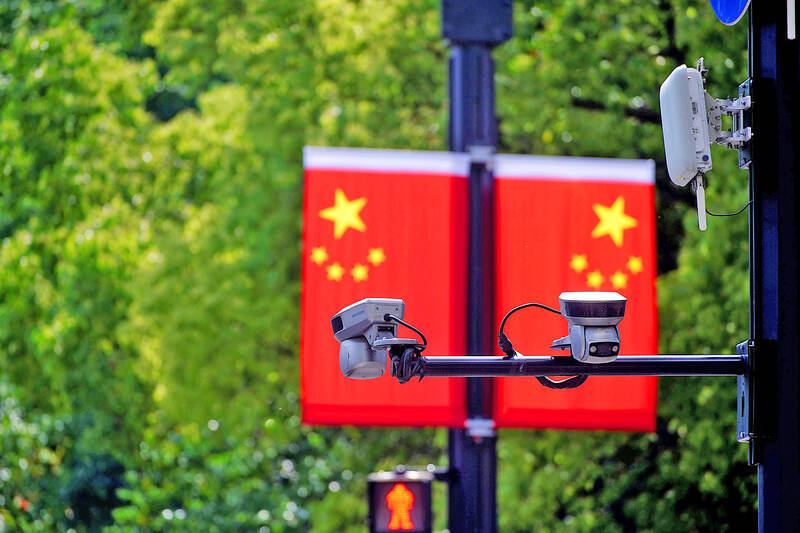
China’s surveillance network, which includes over 200 million cameras nationwide, has expanded significantly since 2018, according to a 2023 report by the Chinese Academy of Social Sciences. The system, part of the broader “Smart City” initiative, integrates facial recognition, AI analytics, and real-time data sharing between agencies. In Shanghai, the deployment of surveillance technology in commercial zones has intensified, with the city government citing “public safety” as a primary rationale.
Legal scholar Dr. Lin Jiayi, a professor at National Taiwan University, noted that China’s National Security Law, enacted in 2020, grants broad powers to investigate “threats to national security,” including foreign nationals. “The line between legitimate security measures and overreach is increasingly blurred,” Dr. Lin said. “Travelers and businesses must now navigate a complex regulatory landscape where even routine interactions could attract scrutiny.”
Regional Implications and Legal Risks
The incident underscores risks for Taiwanese citizens traveling to mainland China, where diplomatic ties remain tense. In 2021, the Chinese government expelled a Taiwanese journalist from Beijing, citing “violations of Chinese law,” a move condemned by Taiwan’s media watchdogs. Legal experts warn that travelers could face arbitrary detention or prolonged interrogations under China’s counterintelligence statutes.

“Even without direct evidence of wrongdoing, individuals may be detained for ‘investigation’ periods lasting weeks or months,” said Michael Zhao, a human rights attorney based in Taipei. “The lack of transparency in these cases makes it difficult for families to seek recourse.” Zhao’s firm has advised multiple Taiwanese clients facing similar situations, emphasizing the need for legal preparedness.
Global Business and Traveler Preparedness
The incident has prompted calls for increased awareness among travelers and businesses operating in China. The U.S.-China Business Council, a Washington-based advocacy group, released a 2025 guide advising companies to conduct risk assessments and establish local legal partnerships. “China’s regulatory environment is evolving rapidly,” the report stated. “Proactive measures are essential to mitigate potential disruptions.”
For individuals, the Taipei Times recommends consulting with [International Legal Advisors] and [Travel Risk Management Firms] to develop contingency plans. These organizations offer services ranging from visa compliance checks to emergency response protocols, tailored to high-risk regions like mainland China.
Political Tensions and Diplomatic Concerns
The encounter occurred against a backdrop of heightened cross-strait tensions, including recent clashes over Taiwan’s participation in international forums. Chinese state media has repeatedly emphasized sovereignty claims over Taiwan, framing any perceived “provocations” as threats to national unity. Analysts suggest the traveler’s experience may reflect broader efforts to deter dissent or monitor perceived “sensitive” individuals.
“This isn’t just about one incident,” said Dr. Chen Xiaofeng, a political analyst at the Shanghai Institute of International Studies. “It’s part of a systematic approach to reinforce control over information and movement, particularly in regions with historical ties to Taiwan.” Dr. Chen’s research highlights the use of surveillance to monitor academic exchanges, business activities, and civil society groups.
Long-Term Impact and Strategic Responses
The incident has sparked renewed debate over the adequacy of Taiwan’s diplomatic protections for citizens abroad. In 2024, the Taiwanese government expanded its “Safe Travel” program, offering emergency assistance and legal guidance to nationals facing foreign legal challenges. However, critics argue that the program lacks resources to address complex cases involving China’s legal system.

For businesses, the event underscores the need for localized compliance strategies. The [Global Compliance Experts] network, which includes firms specializing in Asia-Pacific regulations, advises companies to conduct regular audits and maintain direct lines of communication with local legal counsel. “China’s legal framework is not static,” said a spokesperson for the network. “Adaptability is key to avoiding costly missteps.”
What Happens Next?
As the investigation into Chen Wei’s experience continues, the case may set a precedent for how cross-strait tensions influence individual rights. Legal scholars suggest that similar incidents could pressure international bodies to address surveillance practices and due process standards in China. Meanwhile, travelers and businesses are advised to remain vigilant, leveraging [Regional Security Consultants] and [Legal Aid Networks] to navigate the evolving landscape.
The incident serves as a stark reminder of the delicate balance between security and freedom in an increasingly monitored world. As one Taiwanese diplomat noted, “In the age of AI and pervasive surveillance, even the most routine journeys carry unexpected risks.” For those navigating China’s complex environment, preparation and awareness are no longer optional—they are essential.
[International Legal Advisors] | [Travel Risk Management Firms] | [Global Compliance Experts]