
China and Russia Veto UN Security Council Resolution on Strait of Hormuz
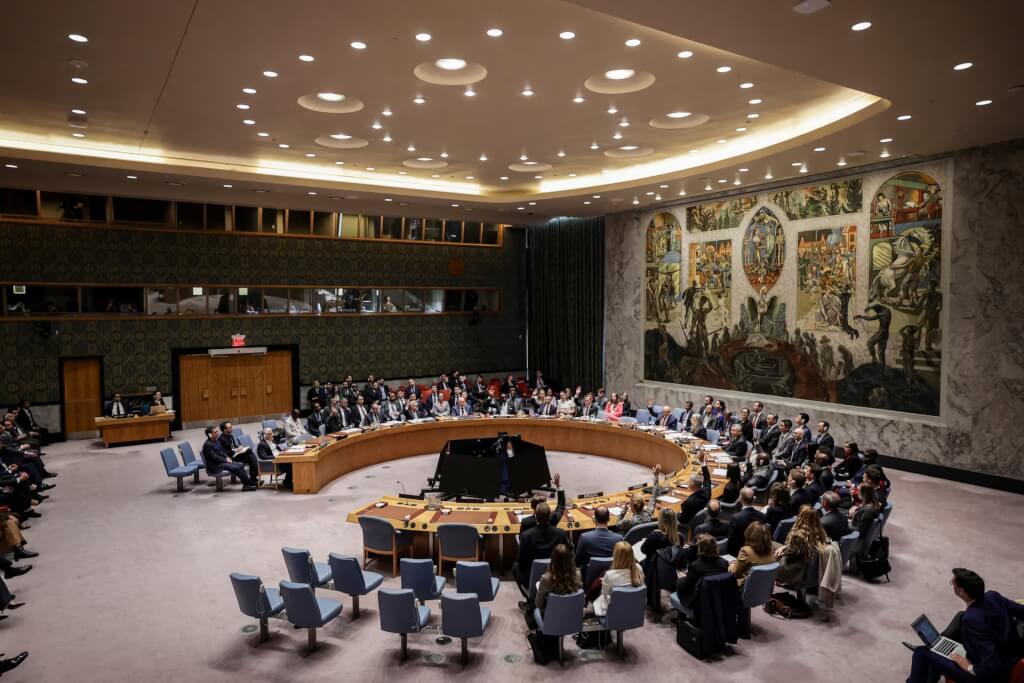
China and Russia vetoed a UN Security Council resolution on April 8, 2026, designed to restore navigation security in the Strait of Hormuz. Despite support from 11 member states, including the U.S. And Bahrain, the veto collapses an international effort to safeguard the world’s primary oil transit artery amid escalating Middle East hostilities.
The diplomatic shield has shattered. By deploying their veto power, Beijing and Moscow have not merely blocked a resolution; they have signaled a definitive geopolitical alignment with Tehran. This move transforms the Strait of Hormuz from a regulated international waterway into a high-stakes theater of raw power dynamics. For the global economy, the message is clear: the era of collective security in the Persian Gulf is dead, replaced by a fragmented landscape where shipping safety depends on bilateral leverage rather than international law.
The Anatomy of a Diplomatic Collapse
The voting results reveal a stark divide in the UN Security Council. Eleven countries voted in favor of the resolution, surpassing the nine-vote threshold required for passage. However, the absolute veto power held by permanent members rendered the majority irrelevant. China and Russia cast the only two opposing votes, while two other members abstained.

This was not a failure of consensus, but a deliberate exercise of strategic obstruction. The resolution, spearheaded by Bahrain and heavily backed by the United States, sought to establish an international cooperation mechanism to ensure the freedom of navigation. The failure of this proposal leaves the global energy supply chain exposed to unilateral disruptions.
As the legal framework for protection evaporates, multinational corporations are facing an unprecedented risk environment. To mitigate these vulnerabilities, firms are increasingly relying on geopolitical risk advisors to map out contingency routes and assess the likelihood of state-sponsored maritime interference.
The “Use of Force” Gambit
In a desperate attempt to secure passage, the proposing parties made a significant concession just before the vote. They stripped the draft of all sensitive language regarding the “use of force,” pivoting instead toward diplomatic coordination and safety guarantees. They hoped that by removing the threat of military intervention, they could neutralize the objections of China and Russia.
The strategy failed.
The fact that Beijing and Moscow vetoed a softened, non-military resolution proves that their objective was not merely to avoid war, but to prevent any international mechanism that could legitimize Western influence or surveillance in the region. This suggests that the “Hell Ultimatum” issued by the Trump administration—a deadline for Iranian compliance—has only pushed the China-Russia-Iran axis closer together.
“The proposal was intended to maintain international economic order and regional peace, yet it fell victim to the political divisions of the great powers.” — Abdollatif al-Zayani, Bahraini Foreign Minister.
The Strategic Axis: Beijing, Moscow, and Tehran
This veto is a critical data point in the shifting global chessboard. By shielding Iran from a UN-mandated security framework, China and Russia are securing their own energy interests and expanding their footprint in the Middle East. This alignment creates a formidable bloc that challenges the traditional U.S.-led security architecture in the Persian Gulf.
The timing is particularly volatile. Reports indicate that U.S.-led coalition forces have already targeted Iranian bridges and railway infrastructure, leading Tehran to completely sever communication channels with Washington. In this vacuum of diplomacy, the Strait of Hormuz becomes a potent weapon. If Iran decides to restrict flow, the global oil market will react with extreme volatility.
For the shipping industry, this volatility is a logistical nightmare. Cargo owners and vessel operators are now scrambling to secure specialized maritime insurance brokers to handle the skyrocketing premiums associated with “war risk” zones in the Gulf.
Macro-Economic Ripples and Supply Chain Fragility
The Strait of Hormuz is not just a geographic feature; it is a global economic chokepoint. Any disruption here immediately spikes Brent crude prices and destabilizes energy costs across Asia and Europe. The failure of the UN resolution means there is no longer a shared international agreement on how to handle “incidents” in the strait.
We are moving toward a “convoy mentality,” where shipping security is privatized or handled through narrow military coalitions rather than global mandates. This shift increases the cost of trade and introduces systemic instability into the global energy markets.
The legal ambiguity surrounding the status of the waterway similarly opens the door for protracted disputes over maritime boundaries and transit rights. Transnational distributors and energy conglomerates are urgently consulting with international trade lawyers to restructure their contracts and include more robust force majeure clauses to protect against state-led blockades.
The New Reality of the Global Commons
The events of April 8 demonstrate that the UN Security Council is increasingly incapable of managing crises involving its permanent members’ clients. When the world’s primary oil artery is at stake, the inability to reach a consensus is not just a diplomatic failure—it is a systemic risk to global GDP.
The world is now operating in a post-consensus environment. The security of the “global commons”—the oceans and airspaces that facilitate trade—is no longer guaranteed by a collective treaty. Instead, it is subject to the whims of a few powerful capitals.
As the “Hell Ultimatum” expires and the risk of kinetic conflict rises, the only remaining strategy for the private sector is extreme diversification and rigorous risk hedging. The collapse of the Hormuz resolution is a warning: the institutional guardrails of the 20th century are gone. To navigate this new era of geopolitical fragmentation, businesses must find partners who understand the intersection of raw power and global commerce. The World Today News Directory remains the essential resource for locating the legal, financial, and security consultants capable of operating in this high-friction world.