China and Philippines Clash Over Alleged Interference and Anti-China Rhetoric
The dispute follows a series of diplomatic clashes over the treatment of foreign nationals and escalating maritime tensions in the South China Sea.
This confrontation marks a shift in the diplomatic friction between Manila and Beijing, moving beyond territorial disputes into a direct conflict over domestic law enforcement and sovereignty. When a state’s internal security apparatus clashes with a superpower’s diplomatic demands, the resulting instability creates immediate volatility for regional trade and foreign investment.
Manila Rejects Beijing’s Claims of ‘Anti-China’ Activity
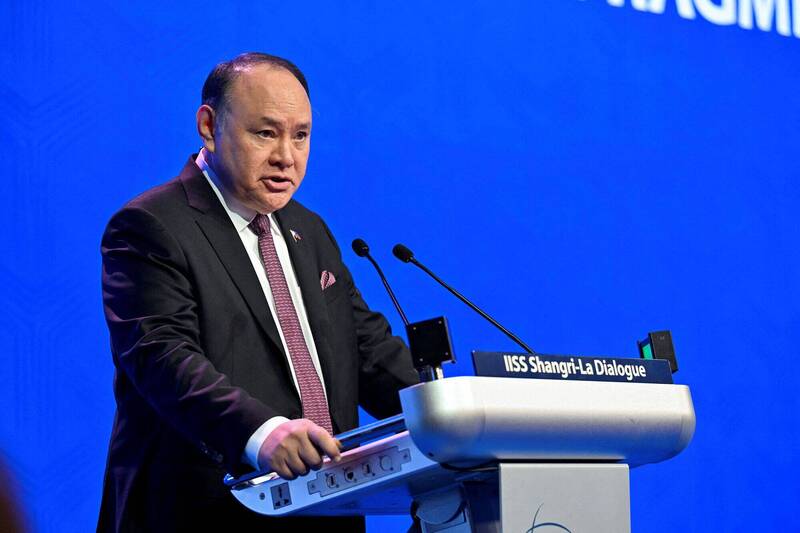
The Chinese Embassy in Manila issued a sharp critique of the Philippine Defense Secretary, alleging that the DND is engaged in “crazy anti-China activities” that have destabilized bilateral relations. According to reports from the Economic Daily and Yahoo News, the embassy posed seven specific questions to the defense chief, demanding an explanation for recent law enforcement actions involving Chinese citizens.
The DND responded by characterizing China’s demands as an attempt to openly interfere in the internal affairs of the Philippines. Manila maintains that its law enforcement actions are conducted within the bounds of national law and are not targeted based on nationality. This deadlock over the “interference” narrative suggests a breakdown in the communication channels typically used to resolve consular disputes before they escalate into public diplomatic warfare.
The tension is not merely rhetorical. It reflects a deeper struggle over the 2016 Permanent Court of Arbitration ruling, which invalidated China’s “nine-dash line” claim. While Beijing ignores the ruling, Manila has increasingly integrated this legal victory into its national security posture, moving from quiet diplomacy to public defiance.
The Economic Ripple Effects of Diplomatic Deadlock
Geopolitical volatility of this nature creates a high-risk environment for multinational corporations operating in Southeast Asia. When diplomatic relations sour, the first casualties are often trade clearances, visa processing for expatriate workers, and foreign direct investment (FDI) stability. The current dispute over “migrant worker controversies” mentioned in Yahoo News highlights a specific vulnerability: the legal status and security of foreign personnel.
Companies relying on cross-border labor and logistics are now facing increased regulatory scrutiny.
The instability also threatens the security of maritime supply chains. As the DND takes a harder line, the risk of “gray zone” tactics—such as the use of maritime militias to harass commercial shipping—increases. This necessitates a shift in how global firms handle their logistics.
Comparing the Narrative: Manila vs. Beijing
The framing of this conflict varies significantly across regional media, reflecting the broader ideological divide in Asia.
| Perspective | Core Argument | Primary Source/Outlet |
|---|---|---|
| Philippines | Defense of national sovereignty and non-interference in domestic law enforcement. | Liberty Times (自由時報) |
| China | Accusations of “crazy anti-China” behavior and political opportunism by Philippine officials. | Economic Daily / Wen Wei Po |
According to Wen Wei Po, critics in Hong Kong suggest that the Philippine Defense Secretary is pursuing “anti-China” policies for personal political gain. Conversely, the Liberty Times frames the DND’s stance as a necessary act of strength against a superpower attempting to dictate domestic Philippine policy.
Macro-Security Implications for the Indo-Pacific
This escalation does not happen in a vacuum. It is tied to the broader security architecture of the Indo-Pacific, specifically the Mutual Defense Treaty between the U.S. and the Philippines. As Manila hardens its stance, it signals a deeper reliance on Western security guarantees, which in turn prompts Beijing to increase pressure on Manila’s internal politics to create friction between the Philippine government and its allies.
The focus on “internal affairs” is a strategic move by Beijing. By framing the issue as a matter of law enforcement and migrant rights, China attempts to bypass the maritime dispute and attack the legitimacy of the Philippine administration’s domestic governance. This is a classic application of “sharp power,” where a state uses deceptive or coercive means to influence the internal politics of another.
For the global financial sector, this indicates that the Philippines is no longer a neutral zone but a primary friction point in the U.S.-China rivalry. Investors are now scrutinizing the “political risk” premium of Manila-based assets.
The Shifting Global Chessboard
The refusal of the Philippine DND to “yield” is a microcosm of a larger trend: middle powers in Asia are increasingly willing to risk diplomatic fallout to maintain territorial and legal integrity. The era of choosing between “economic benefits from China” and “security benefits from the U.S.” is ending, replaced by a strategy of diversified deterrence.

As the line between domestic law enforcement and international diplomacy blurs, the need for sophisticated, transnational expertise becomes critical.
Related reading
- Hebei Cabbage Formaldehyde Scandal: Authorities Launch Investigation into Toxic Vegetable Shipments
- Nigeria’s 2027 Elections: Tackling Digital Threats and Electoral Integrity
- Democrats Prepare for Potential Trump Administration Election Interference (archyde.com)
- China Postpones Chang’e-7 Moon Mission to Search for Water Ice (newsdirectory3.com)