
China, Afghanistan, and Pakistan Seek Comprehensive Solution to Conflict
China has mediated a ceasefire agreement between Afghanistan and Pakistan in Urumqi, ending weeks of cross-border fighting that killed hundreds. Both nations agreed to explore a “comprehensive solution” and avoid escalating tensions, identifying terrorism as the core issue fueling the conflict that began in February 2026.
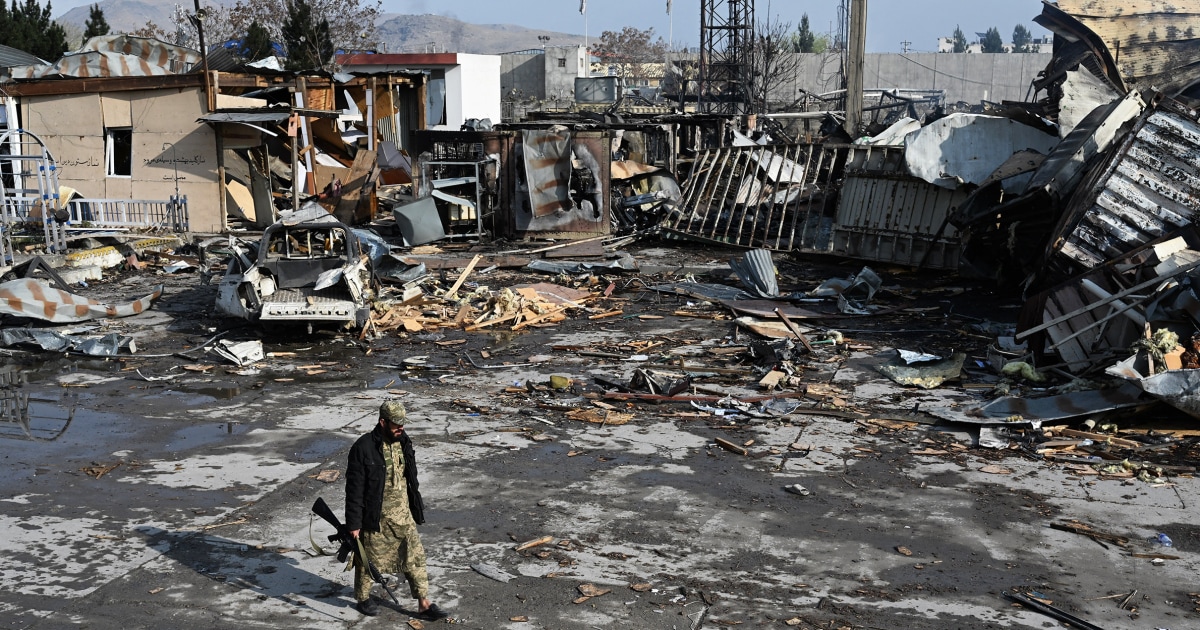
The diplomatic breakthrough comes at a moment of extreme volatility. For weeks, the border regions have been defined by airstrikes, displaced families, and a breakdown of regional security. This isn’t just a political disagreement; This proves a humanitarian crisis that has left 94,000 people displaced and 100,000 others in two Afghan districts completely cut off from basic services. When a state declares it is in “open war” with its neighbor, the fallout extends far beyond the front lines, shattering local economies and destroying civilian infrastructure.
The volatility of the region has created an immediate need for specialized intervention. As displaced populations surge and border crossings like Torkham remain flashpoints, the role of vetted humanitarian aid organizations becomes the only lifeline for those trapped in the crossfire.
The Road to Urumqi: Seven Days of Diplomacy
The peace talks, hosted in the western Chinese city of Urumqi, lasted seven days. China’s Foreign Ministry spokesperson, Mao Ning, confirmed that all parties have agreed to maintain a continuous dialogue to prevent further escalation. The goal is no longer just a temporary pause in fighting, but a “comprehensive solution” to the systemic issues plaguing the relationship between Kabul and Islamabad.

The conflict reignited in February, effectively shredding a Qatar-brokered ceasefire that had been in place since October. The escalation was marked by heavy Pakistani airstrikes inside Afghanistan, reaching as far as the capital, Kabul. One of the most devastating incidents occurred on March 26, 2026, when an airstrike hit a drug rehabilitation center in Kabul, resulting in mass funerals for the victims.
“The three parties agreed to explore a comprehensive solution to the issues in the relations between Afghanistan and Pakistan, and clarified the core and priority issues that need to be addressed.” — Mao Ning, Foreign Ministry spokesperson.
Afghanistan’s acting Foreign Minister, Amir Khan Muttaqi, described the discussions as “useful” and “constructive.” Even as Muttaqi expressed gratitude to Beijing for hosting, he also acknowledged the mediation efforts of Saudi Arabia, Turkey, Qatar, and the United Arab Emirates. However, he cautioned that “minor interpretations” should not be allowed to hinder the progress already made.
The Core Friction: Terrorism and Sovereignty
At the heart of the violence is a fundamental disagreement over security and sovereignty. The conflict is driven by a cycle of accusation and retaliation that has proven difficult to break.
- Pakistan’s Position: Islamabad accuses the Taliban-led government in Afghanistan of harboring hostile militants who use Afghan soil to launch attacks on Pakistani territory.
- Afghanistan’s Position: Kabul denies these claims, insisting that militancy is an internal Pakistani security problem and that the airstrikes are an infringement on their sovereignty.
- The Consensus: During the Urumqi talks, all parties finally acknowledged that terrorism is the “core issue” affecting the relationship.
This deadlock has turned the border into a legal and logistical minefield. For businesses and NGOs operating in these corridors, the sudden shift from “open war” to “comprehensive solution” requires precise legal guidance. Many are now turning to international law specialists to navigate the complexities of cross-border liability and treaty compliance in a region where the rules of engagement change overnight.
The Humanitarian Toll and Regional Instability
While diplomats talk in Urumqi, the reality on the ground is stark. The United Nations’ office for the coordination of humanitarian affairs has highlighted the scale of the displacement. The fighting has not only killed hundreds but has paralyzed the movement of goods and people.
The disruption of trade routes has a ripple effect on the regional economy. When border crossings are closed or contested, supply chains for food, medicine, and fuel collapse. For the commercial entities attempting to maintain operations amid this instability, securing reliable supply chain and logistics consultants is no longer a luxury—it is a necessity for survival.
The international community remains alarmed, not only because of the bilateral fighting but because of the vacuum it creates. The border regions are areas where militant organizations, including al-Qaida and the Islamic State group, maintain a presence. Any prolonged conflict between two sovereign states provides these groups with the cover they need to expand their influence.
For more detailed tracking of these events, refer to the latest updates from AP News, NBC News, Reuters, and Deutsche Welle.
Looking Ahead: A Fragile Peace
The agreement to “not grab actions that would escalate or complicate the situation” is a start, but it is a fragile one. The history of the region is littered with ceasefires that lasted only until the next border skirmish. The transition from a ceasefire to a “comprehensive solution” requires more than just a shared acknowledgment of terrorism; it requires a verifiable mechanism for security cooperation.
The world is watching to see if China’s mediation can produce a lasting result where previous efforts have failed. If the dialogue holds, the focus will shift from stopping the bombs to rebuilding the lives of the 94,000 displaced. If it fails, the “open war” will likely resume with even greater intensity.
In an era of rapid geopolitical shifts, the difference between recovery and collapse often depends on having access to verified, professional expertise. Whether it is managing a humanitarian crisis or navigating the legal fallout of international conflict, the World Today News Directory remains the definitive resource for connecting with the professionals equipped to handle the world’s most complex challenges.