Chilean Government Subsidies and Support Measures for Families and Fishers
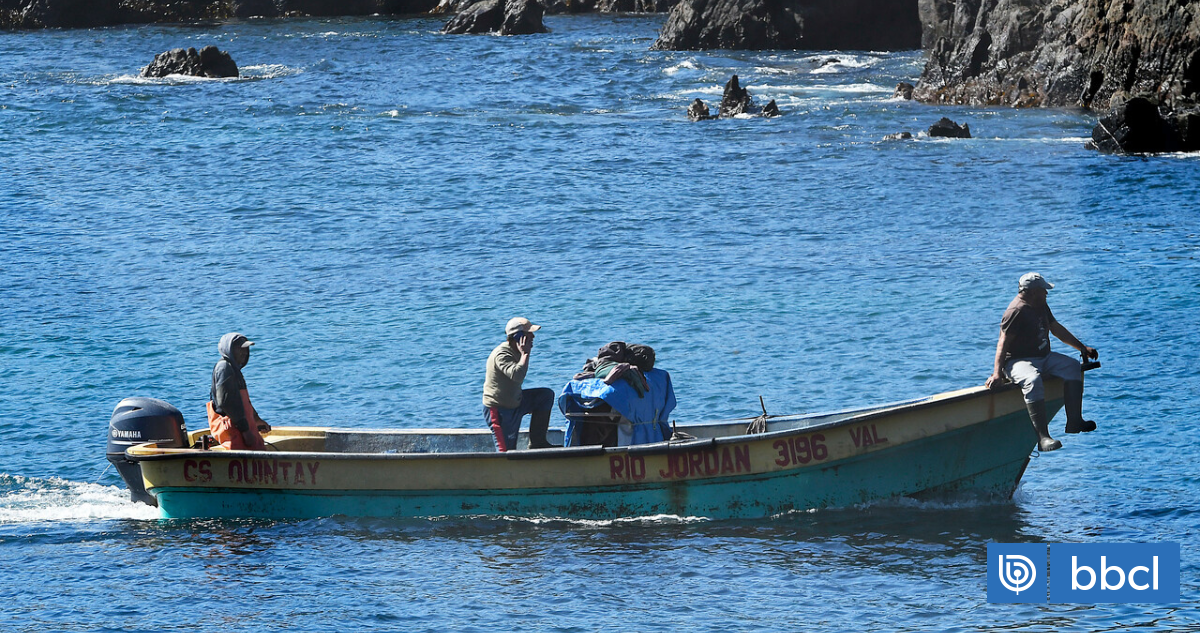
Fishermen in Chile’s Bío Bío region are rejecting a 100,000 CLP government subsidy intended to offset rising fuel costs, labeling the amount a “mockery.” The dispute highlights a growing rift between President Kast’s administration and the artisanal fishing sector over the economic viability of coastal livelihoods.
The tension isn’t just about a single check. It is about the systemic collapse of the margins for tiny-scale operators in ports like Lebu and Concepción. When the price of gasoline spikes, the cost of getting a boat from the dock to the fishing grounds can swallow the entire day’s profit. A one-time payment of roughly $105 USD does nothing to address the structural volatility of fuel pricing in a region where the ocean is the only employer.
This is a crisis of sustainability.
The Math of Despair: Why the Subsidy Fails
To understand why the Bío Bío fishing community is outraged, one must look at the operational overhead of artisanal fishing. These are not industrial trawlers; they are family-run vessels. Fuel is their primary variable cost. When global oil markets fluctuate, the impact is felt immediately at the pump in the Biobío region, while government responses often lag by weeks or months.

The administration of President Kast has attempted to frame these measures as a “safety net” for vulnerable families, coinciding with other initiatives like free gas cylinders for low-income households. However, there is a fundamental difference between a domestic utility subsidy and a commercial operational grant. For a fisherman, fuel is not a household utility—it is raw material for production.
“A one-time payment is a bandage on a hemorrhage. We are not asking for charity; we are asking for a fuel pricing mechanism that doesn’t bankrupt us every time there is a geopolitical tremor in the Middle East or a shift in OPEC policy.”
The frustration is compounded by the fact that the Bío Bío region is a critical hub for Chile’s seafood exports. The instability of this sector threatens the entire supply chain, from the local piers of Lebu to the international markets. For those struggling to keep their boats afloat, the solution isn’t a government handout, but rather a transition toward more sustainable energy or more aggressive price caps on maritime fuels.
Navigating these financial crises often requires more than just government aid. Many cooperatives are now seeking specialized business advisors to restructure their debt and find alternative funding models that reduce their reliance on volatile state subsidies.
Regional Fallout in Lebu and Concepción
The geography of the Bío Bío region makes it particularly susceptible to these economic shocks. The distance between the landing sites and the primary processing plants means that fuel costs are baked into every kilo of fish. In Lebu, the local economy is almost entirely dependent on the sea. When the cost of fuel rises, the price of fish at the local market increases, which in turn lowers demand.
This creates a localized inflationary spiral. The government’s attempt to mitigate this with a flat-fee bonus ignores the varying scales of operation. A fisherman with a larger vessel consumes significantly more fuel than one with a small skiff, yet both are offered the same “relief.”
From a legal standpoint, the artisanal sector is increasingly looking at collective bargaining and the formation of stronger guilds to negotiate better terms with the state. As these disputes escalate into protests, the necessitate for experienced maritime attorneys has spiked, as cooperatives seek to challenge the legality of current fuel tax structures and advocate for permanent industry protections.
Policy Comparison: Social Aid vs. Industrial Support
The current administration is attempting to apply a “social welfare” model to an “industrial problem.” By grouping fuel subsidies with free gas cylinders (the “balón de gas” program), the government is treating fishermen as impoverished citizens rather than essential economic producers.
| Measure | Target Audience | Objective | Industry Perception |
|---|---|---|---|
| 100k CLP Fuel Bonus | Artisanal Fishermen | Short-term Cost Offset | “A Mockery” / Insufficient |
| Free Gas Cylinders | Low-Income Families | Household Survival | Generally Positive |
| Monitoring Execution | General Public | Preventing Corruption | Skeptical/Bureaucratic |
The gap in this strategy is the lack of a long-term investment plan. While the Associated Press has frequently highlighted the global trend of rising food and fuel costs, the Chilean case is unique in its intersection of artisanal tradition and modern neoliberal pricing.
Beyond the Bonus: Structural Solutions
If the goal is truly to “monitor execution” so that every peso reaches those in need, the government must move beyond the “bonus” model. True relief would look like a sliding-scale fuel tax rebate based on the volume of catch or the size of the vessel. This would incentivize production while protecting the most vulnerable.
the Bío Bío region needs an overhaul of its maritime infrastructure. Better cold-storage facilities at the point of landing would reduce the need for frequent, fuel-heavy trips to distant markets, effectively lowering the fuel requirement per unit of profit.
For those in the region already facing bankruptcy or severe debt due to these cost spikes, the first priority is often securing certified forensic accountants to audit their losses and prepare claims for potential future government reparations or insurance payouts.
The situation in the Bío Bío is a canary in the coal mine for other coastal regions in Latin America. When the cost of the “tools of the trade” exceeds the value of the labor, the result is not just economic hardship, but the erasure of a cultural identity. The fishermen of Lebu are not fighting for 100,000 pesos; they are fighting for the right to exist as a professional class.
As the standoff between the fishing guilds and the Kast administration continues, the outcome will likely determine whether the artisanal sector survives the decade or is absorbed by industrial conglomerates. This is a reminder that in a globalized economy, the smallest operators are often the most exposed. Whether you are a cooperative leader in Chile or a business owner facing unforeseen operational spikes, the only defense against systemic volatility is professional, verified expertise. The World Today News Directory remains the definitive resource for connecting distressed industries with the legal and financial architects capable of building a more resilient future.