Child Poverty and Educational Inequality in Panama
Panamanian education faces severe structural fragmentation, marked by deep socioeconomic disparities, territorial isolation, and stark gender divergences that prevent equitable learning outcomes across urban and rural regions. According to studies by the Fundación para el Desarrollo Económico y Social de Panamá (FUDESPA) and Jóvenes Unidos por la Educación, public institutions struggle significantly more than private centers to recover lost academic ground following public health disruptions.
- Socioeconomic Divergence: The educational affectation index reaches 0.85 for the poorest income quintil compared to 0.41 for the wealthiest cohort, as detailed in the “Un Sexenio Perdido” report.
- Territory and Infrastructure Deficits: Public schools recovered roughly 35 percent of lost curriculum content post-pandemic, whereas private schools achieved 68 percent recovery.
- Vulnerability Intersections: Extreme poverty rates in indigenous comarcas scale up to 73.8 percent, driving compounding systemic barriers that disproportionately impact young women and children.
Structural Axes of Educational Disparity in Panama
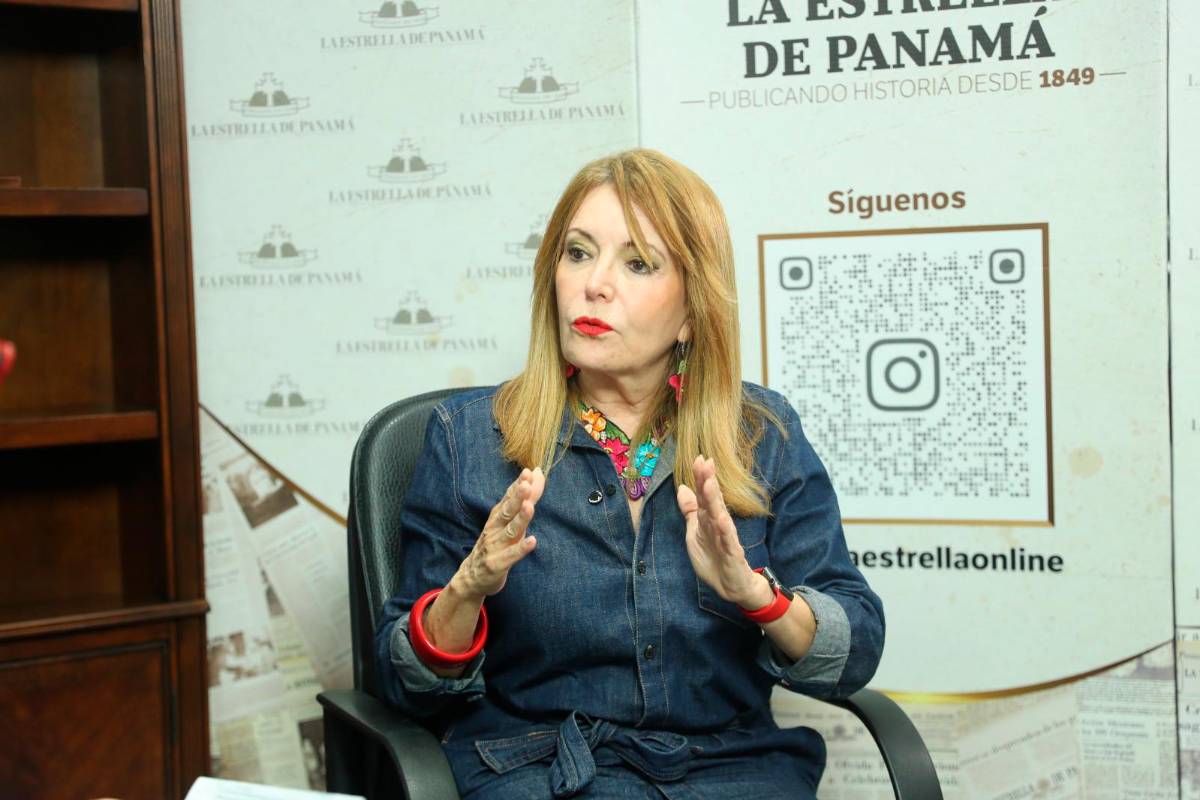
The systemic inequality documented across FUDESPA reports rests upon four interconnected pillars: socioeconomic origin, geographic location, ethnicity, and gender. According to data evaluated by Nivia Rossana Castrellón, president of FUDESPA, these compounding factors create severe barriers to foundational learning and human development. Families navigating tight household budgets face profound hurdles in maintaining consistent schooling continuity. Public sector resources remain strained, limiting the deployment of specialized diagnostic and remedial programs.
Geographic isolation deepens this divide. While technological access during pandemic disruptions reached 65 percent in Panama City, it plummeted to 25 percent in rural zones and fell below 10 percent in indigenous comarcas. In the Ngäbe-Buglé comarca, infrastructure crises are a matter of physical survival. Between 55 and 70 students have died by drowning over the past two decades while attempting to cross hazardous rivers and makeshift bridges to reach school.
Classroom Inequities and Recovery Gaps
Beyond physical access, qualitative deficiencies plague classrooms nationwide. Evaluations by Jóvenes Unidos por la Educación reveal that 8.33 percent of surveyed schools suffer from administrative and teaching staff deficits, while 5.56 percent operate without basic textbooks, didactic resources, or proper equipment. This scarcity severely hampers cognitive development and literacy milestones among vulnerable youth. Navigating these institutional shortages demands robust administrative compliance and strategic resource allocation.
Gender disparities compound these institutional failings. Data shows that every 100 days of lost class time increases the probability of youth becoming "Nini" (neither studying nor working) by 4.2 percent for young men and 7.8 percent for young women. By 2024, female youth unemployment reached 23.4 percent—surpassing male unemployment by a factor of 1.71—while the female Nini population hit 33 percent, outpacing males by 1.83 times.
Future Trajectory of Educational Equity
Mitigating the systemic deficit outlined in the “Un Sexenio Perdido” and “Educación Mortal” reports requires targeted capital allocation toward infrastructure, teacher training, and rural connectivity.
