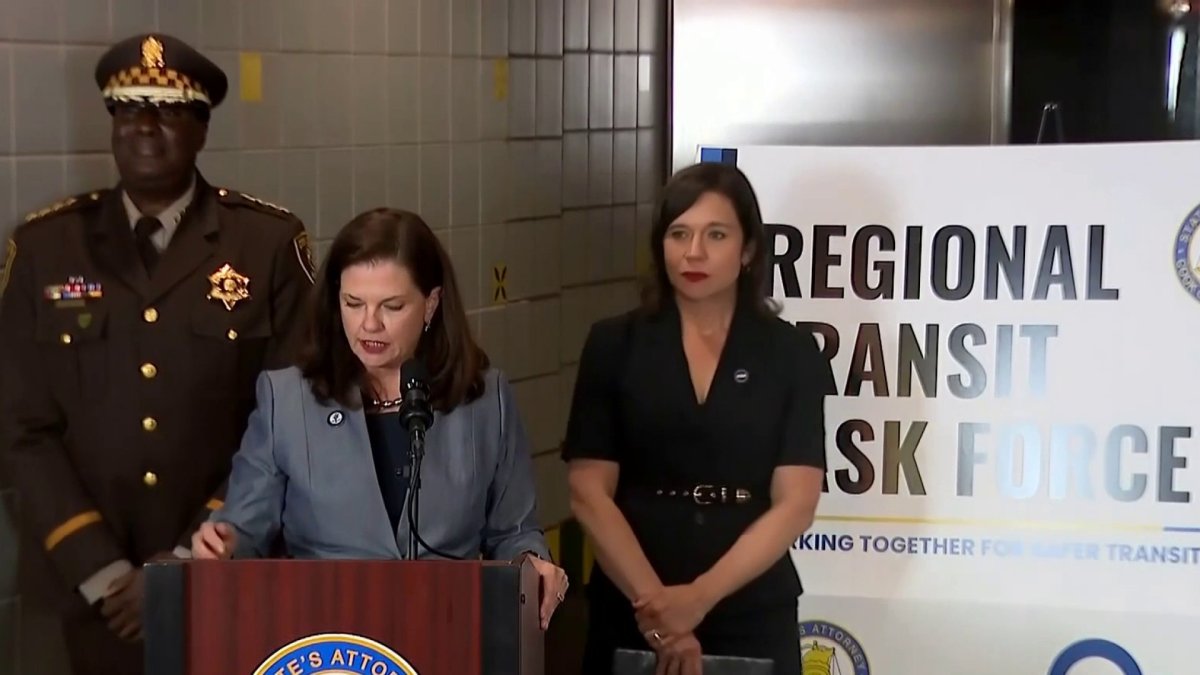
Chicago’s New Public Transit Security Task Force Holds First Meeting to Boost Passenger Safety
Chicago transit officials convened the inaugural meeting of a new safety task force on May 28, 2026, aimed at curbing rising crime and improving passenger security across the CTA system. The initiative brings together municipal leaders, law enforcement, and community stakeholders to address systemic vulnerabilities and restore public confidence in city infrastructure.
The atmosphere in the room was pragmatic, bordering on urgent. For commuters, the Chicago Transit Authority (CTA) is the lifeblood of the city, yet persistent reports of violence and disorder have turned daily commutes into a source of anxiety. This isn’t just a matter of policing; it is a fundamental test of whether a major metropolis can maintain the basic safety of its public utilities.
The Anatomy of a Systemic Crisis
The transit security challenge in Chicago is not a localized anomaly but a reflection of post-pandemic urban shifts. Ridership metrics remain in flux, and the social services required to support vulnerable populations—who often find themselves seeking refuge in transit hubs—have been stretched beyond their capacity. The new task force is tasked with a difficult mandate: reconcile the need for aggressive law enforcement with the necessity of compassionate, community-based intervention.
Historically, transit agencies have struggled to bridge this gap. The Chicago Transit Authority (CTA) has long operated under the weight of budget constraints and public scrutiny regarding its response times and security presence. By formalizing this task force, the city is signaling a shift toward inter-agency accountability.
“We are moving past the era of reactive security. The goal here is to integrate real-time data with a human-centric approach to transit safety. If we cannot ensure that a passenger feels safe at 11:00 PM on a Tuesday, we have failed in our primary duty to the public.” — Anonymous municipal policy advisor familiar with the task force proceedings.
Data-Driven Security and the Infrastructure Gap
The data suggests that the problem is highly concentrated. According to recent Chicago Police Department crime statistics, specific transit lines and hub stations account for a disproportionate share of incident reports. This clustering effect provides a clear roadmap for the task force, yet it also highlights the limitations of traditional patrol methods.

For businesses and civic organizations operating near these hubs, the instability creates a ripple effect. Retailers face increased insurance premiums, and commercial real estate developers must contend with a diminished tenant base if the perception of safety continues to decline. When public infrastructure falters, the private sector is often left to pick up the tab for private security and site hardening.
Addressing these risks requires more than just a task force meeting; it demands a comprehensive strategy. Businesses and property owners are increasingly turning to specialized security consulting firms to conduct threat assessments and implement perimeter control strategies that protect both assets and employees.
The Legal and Regulatory Minefield
The intersection of public safety and civil liberties remains a contentious legal frontier. As the city explores the use of advanced surveillance technologies and increased security personnel, it invites a host of regulatory hurdles. Compliance with the Illinois Compiled Statutes regarding privacy and public conduct is paramount, and any misstep could lead to protracted litigation.
Municipal entities are now working closely with municipal government attorneys to ensure that new security directives do not infringe upon constitutional rights while still providing the necessary authority to maintain order. The legal framework surrounding transit security is evolving rapidly, and those who fail to adapt to these shifts risk significant financial and reputational damage.
Strategic Outlook: What Comes Next
The task force is scheduled to release its preliminary findings in late 2026. However, the true test will be in the execution. Will this group be empowered to bypass the bureaucratic gridlock that has historically stifled CTA reform? Or will it become another layer of oversight with little teeth?

For the average commuter, the wait is agonizing. For the city’s leadership, the pressure is mounting to deliver results before the next fiscal cycle. We are witnessing a critical moment where transit policy meets the realities of urban governance.
| Focus Area | Expected Outcome | Timeline |
|---|---|---|
| Personnel Deployment | Increased visibility at high-traffic hubs | Immediate | Surveillance Integration | Real-time crime analysis and response | Q3 2026 | Social Service Liaison | Reduction in non-criminal disturbances | Q4 2026 |
Beyond the politics, the fundamental problem remains: public trust is fragile. If the city cannot guarantee the safety of its transit system, it will continue to lose the battle for urban mobility. This necessitates a collaborative approach involving civic planning agencies and private stakeholders who have a vested interest in the long-term viability of the Chicago transit network.
As this task force begins its work, the challenge is not merely to increase patrols, but to restore the social fabric of the city. We are watching a high-stakes experiment in urban stability. For those whose operations depend on the reliable movement of people and goods, the coming months will be a period of significant volatility. Navigating this environment requires staying informed and, where necessary, engaging with professional risk management services to mitigate the uncertainties that inevitably arise when public safety infrastructure is in flux.
The city’s transit future is currently being written in these boardrooms. Whether the outcome is a resurgence of safety or a continued slide into dysfunction depends entirely on the transparency and efficacy of the measures implemented today.
- EU and China Reach Understanding to Cut Hybrid Car Exports by Half
- Drone Strike Kills 30 in Sudan’s Blue Nile Region, Al Jazeera Reports
- Sony transfers 419 XR patents to Meta according to public records (newsy-today.com)
- Seoul Expands Safety Insurance and Support for Recyclable Collectors (archyde.com)