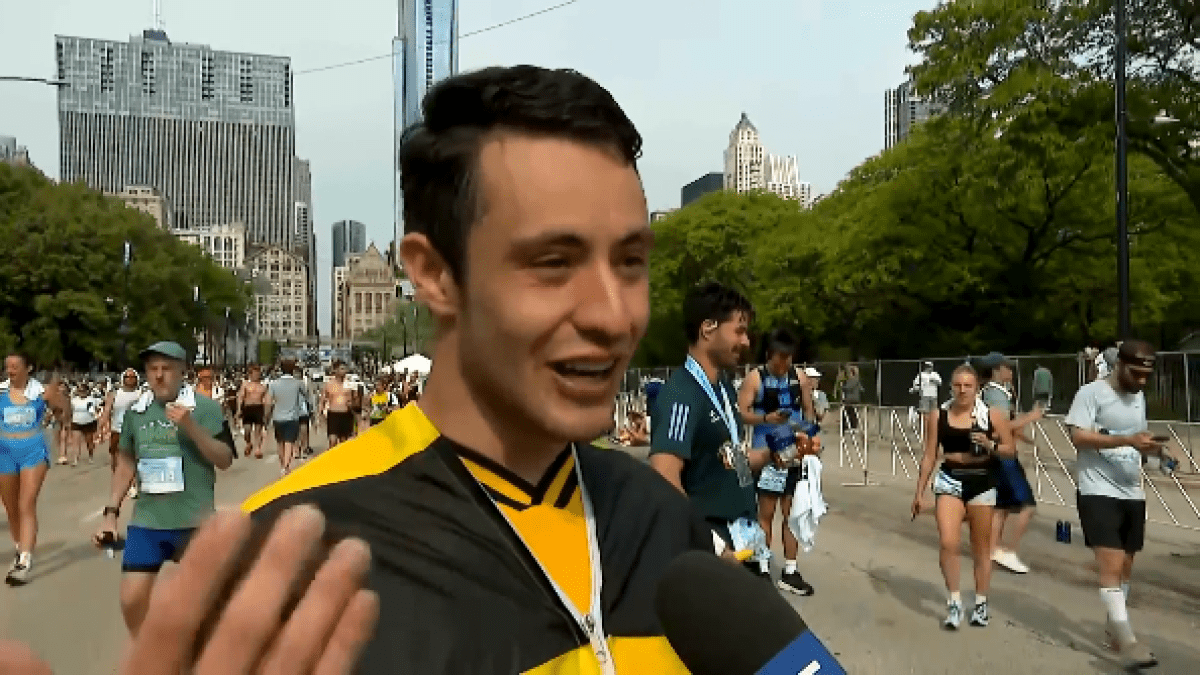
Chicago’s Fearless Runner: Joabe Barbosa’s Quest to Conquer Every Street
Graduate student Joabe Barbosa, who gained national attention for his quest to run on every street in Chicago, has secured a one-year visa extension, allowing him to continue his project and pursue academic work in the U.S. The decision comes as Barbosa—known for his community-driven “Chicago best” run—faces a June 14 deadline to complete his marathon-like challenge before his visa would have expired. His story highlights the intersection of immigration policy, civic engagement, and urban resilience in a city where grassroots initiatives often outpace bureaucratic timelines.
The Problem: A Visa That Nearly Ended a Movement
Barbosa’s visa extension isn’t just a personal victory—it’s a testament to how Chicago’s immigrant community leverages creativity to overcome systemic barriers. His original plan to run every street in the city (a project spanning over 2,000 miles) was threatened by June’s expiration date. Without intervention, his story would have mirrored countless others: a talented individual forced to leave due to visa restrictions, despite contributing meaningfully to local culture and morale.
Yet Barbosa’s case is unique. His project has galvanized Chicagoans, turning a personal challenge into a city-wide celebration. The City of Chicago has quietly become an unwitting partner in his endeavor, with officials acknowledging the “unprecedented civic engagement” his runs have sparked. But the extension raises critical questions: How many other visa holders are pursuing similar contributions but lack the visibility—or legal pathways—to stay?
Why This Matters: Immigration Policy Meets Urban Innovation
Barbosa’s extension was secured through a practicum training arrangement with his academic institution, a loophole in U.S. Immigration law that allows international students to engage in hands-on work related to their field of study. While this solution works for Barbosa, it underscores broader gaps in visa programs for those whose “work” is less conventional—like grassroots activists, artists, or community organizers.
“This isn’t just about one student. It’s about recognizing that immigration policy should reward contributions to civic life, not just traditional employment.”
Chicago, a city with a nearly 40% foreign-born population, relies on such contributions. Yet local officials admit the city lacks a coordinated strategy to support visa extensions for individuals like Barbosa. “We cheerlead for projects like this, but our hands are tied when it comes to immigration,” said Alderman Daniel La Spata (1st Ward), who has publicly supported Barbosa’s efforts.
The Solution: Who Helps When Visa Loopholes Aren’t Enough?
For individuals navigating similar challenges, the path forward often requires specialized legal and academic support. Here’s how professionals in our directory can step in:
- Immigration Law Firms: Firms with expertise in student visas and practicum extensions can help others like Barbosa secure temporary relief. The American Immigration Lawyers Association (AILA) reports a 30% increase in inquiries from international students facing visa uncertainties since 2024.
- Academic Advisors: Universities with robust international student offices can connect students to visa-alternative programs, such as research assistantships or community service roles that extend stay permissions.
- Civic Organizations: Groups like local immigrant advocacy coalitions often partner with city agencies to amplify cases like Barbosa’s, pushing for policy changes that recognize civic contributions as valid grounds for visa extensions.
What’s Next for Barbosa—and Chicago?
Barbosa’s June 14 run, starting at Oak Street and Michigan Avenue, will serve as both a personal milestone and a call to action. The event, themed around Flag Day, aims to unite Chicagoans in a symbol of resilience. But his story also forces a reckoning: How can cities like Chicago—where immigrants drive innovation—better support those whose “work” doesn’t fit neatly into visa categories?
| Challenge | Potential Solution | Directory Resource |
|---|---|---|
| Visa restrictions for non-traditional roles (e.g., activists, artists) | Leverage practicum/training visas or seek policy advocacy | Immigration Attorneys |
| Lack of city coordination for visa support | Partner with local nonprofits to amplify individual cases | Immigrant Advocacy Groups |
| Limited academic pathways for visa extensions | Explore research or service-based roles tied to degree programs | International Student Offices |
The Bigger Picture: A Test Case for “Civic Visa” Models
Barbosa’s extension could pave the way for broader discussions about “civic visas”—a concept gaining traction in cities like New York and Toronto, where local governments lobby for visas tied to community contributions. The U.S. Citizenship and Immigration Services (USCIS) has yet to formalize such a category, but Barbosa’s case adds pressure on policymakers to rethink how immigration law aligns with urban vitality.
“If a student running every street in Chicago can be framed as ‘training,’ imagine what we could do for teachers, musicians, or organizers who don’t fit the ‘employee’ mold.”
For now, Barbosa’s story is a reminder that innovation often thrives at the edges of policy. But as cities grow more dependent on immigrant talent, the edges may need to expand—or risk losing the particularly people who make them vibrant.
Need help navigating visa challenges or connecting with civic support networks? Explore our verified professionals directory for immigration attorneys, academic advisors, and community organizations equipped to turn obstacles into opportunities.