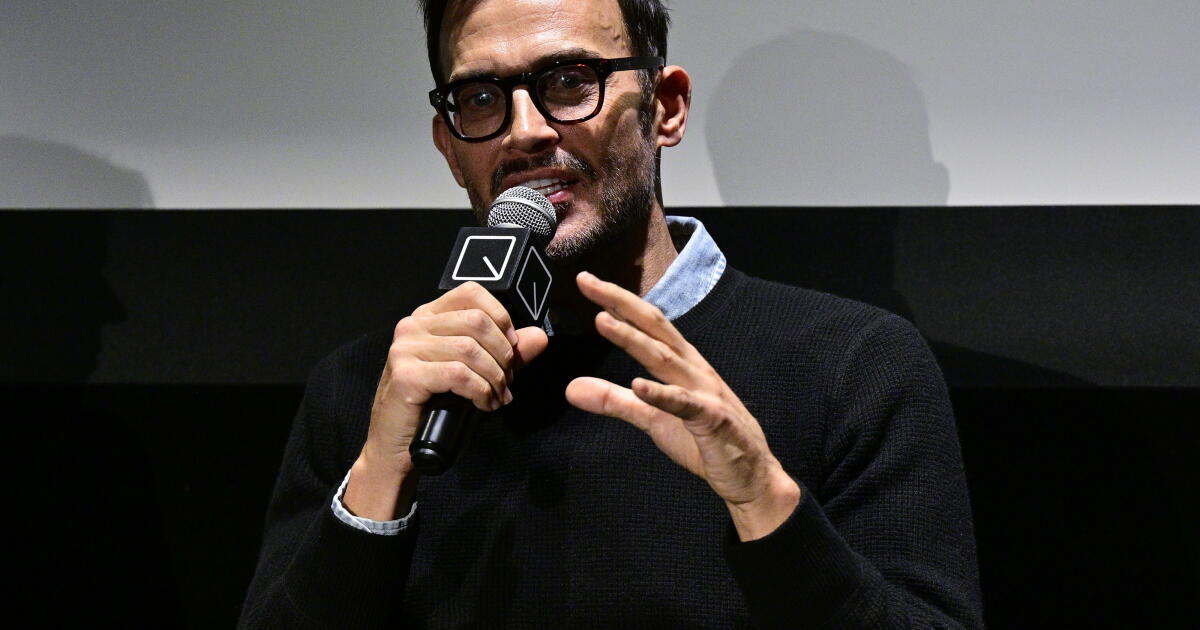
Cheyenne Jackson and other actors risk losing SAG-AFTRA health insurance
Actor and singer Cheyenne Jackson realized he was several thousand dollars short of the roughly $28,000-annual minimum required to qualify for health insurance through SAG-AFTRA, risking coverage for himself, his husband, and their 11-year-old twins. Jackson, whose credits span Broadway, “American Horror Story,” “30 Rock,” and “Glee,” spoke about the lean period while on a layover in Atlanta’s airport for his “Midlife Torso Tour.”
How Lean Production Cycles Threaten Actor Healthcare
Declines in film and television production, the exodus of film jobs abroad, job losses from industry consolidation, and concerns regarding artificial intelligence have left many performers struggling to meet union healthcare thresholds. Performers rely on shared health funds financed by producer and studio contributions based on union contracts, wages, and hours worked. Accumulating a preset number of hours or pay qualifies workers for up to a year of coverage, but unpredictable dry spells put that security at risk.
Jackson credited his friend Kathy Bates with helping him secure the work needed to retain his insurance last year. After he texted her about his situation, Bates called back within five minutes to offer him a four-line, unnamed character role on the CBS legal drama “Matlock,” where she stars as a criminal defense attorney. Jackson accepted the part immediately, showing up to complete the assignment and preserve his eligibility.
Public Outcries and Union Adjustments Over Earnings Thresholds
Other performers have recently aired similar anxieties on social media. “I Saw the TV Glow” star Jack Haven posted a video on YouTube in September stating they needed to earn $4,000 by the end of the month to keep their insurance. Former Nickelodeon star Drake Bell of “Drake & Josh” also posted a screenshot on social media showing a shortfall of about $11,450 needed to qualify, tagging SAG-AFTRA President Sean Astin and writing that others should not join the union.
SAG-AFTRA has acknowledged the financial strains brought on by pandemic disruptions and industry headwinds. In December 2020, a group of members sued the union’s board of trustees over health plan changes that eliminated certain exceptions, such as allowing older members to count residual earnings toward annual thresholds. During the 2023 union strike, national executive director Duncan Crabtree-Ireland noted that meeting health coverage requirements had become a major source of anxiety for members. Reportedly, only about 14% of the union’s 160,000 members qualify for the healthcare plan.
Earnings Minimums Rise as Jackson Takes Commercial Gigs
Financial pressures are set to increase as the earnings minimum rises to $28,933 in 2027. Quarterly premiums for a single participant will also climb from $375 to $390, with higher costs for dependents. For members who lose eligibility, the union’s website notes that COBRA allows temporary coverage continuation for up to 18 months.
To clear his own earnings minimum this year, Jackson took on commercial gigs and a vertically filmed microdrama, noting that his annual acting income can fluctuate wildly from $300,000 down to a fraction of that amount. In response to the broader crisis, Jackson launched an Instagram project called One Job Away to spotlight union members who are short on earnings. Within 24 hours of posting the idea, he received hundreds of messages and began publishing photos and credits of actors needing work to meet their minimums.