Chernobyl Self-Settlers Live Longer Than Evacuees, Researcher States
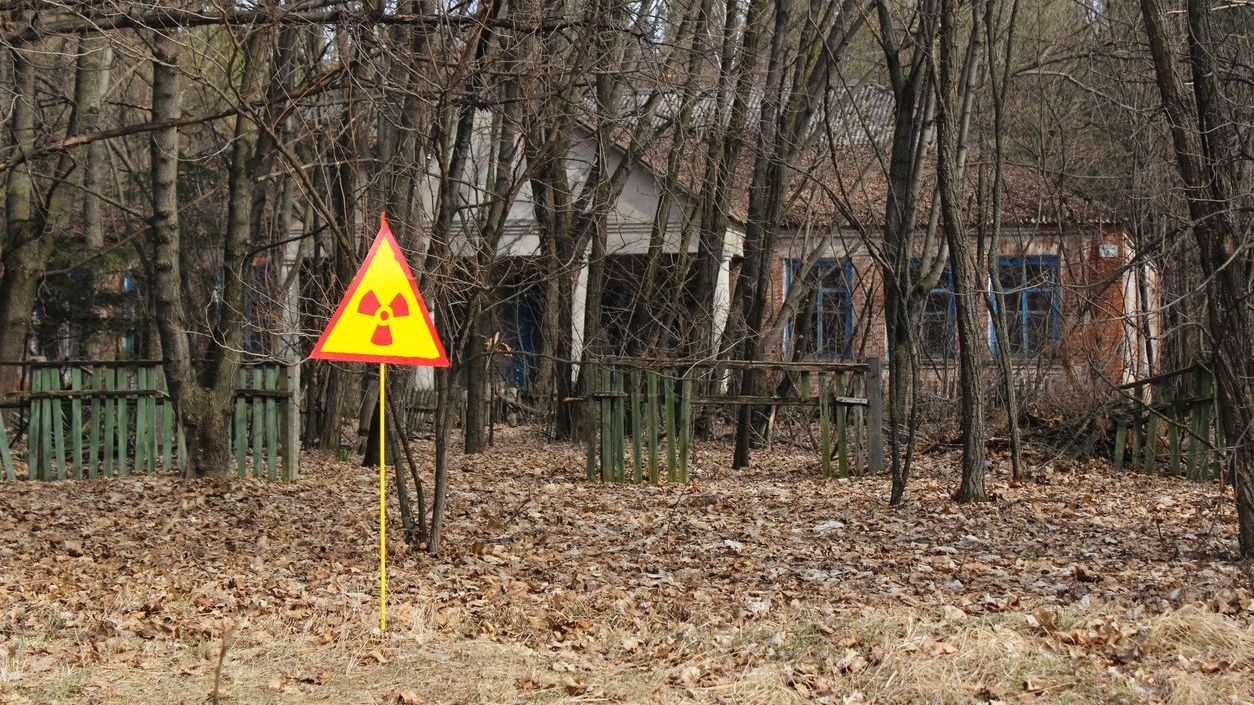
Decades after roughly 116,000 people faced immediate evacuation following the Chernobyl nuclear disaster, a small population of self-settlers known as samosely returned to live permanently inside the forbidden zone, Duurzaamnieuws reported.
-
Key Clinical Takeaways:
- Female returnees studied by Alexander Anisimov lived nearly 10 years longer than evacuees who relocated to state-provided housing.
- Official census counts tracked a decline in the zone’s self-settler population from 314 individuals in 2007 down to 135 in 2017.
- Medical and dosimetrical studies from 2021 identified central nervous system changes and accelerated aging signs among long-term zone residents.
The evacuation footprint extended far beyond the initial emergency response, ultimately forcing more than 350,000 residents out of the most heavily contaminated territories. An estimated 3,500 individuals refused to leave their homes initially, forming a distinct demographic from those who complied with evacuation orders and later returned illicitly.
Official tallies illustrate the steady contraction of this returning community over time. Bij een officiële telling in 2007 waren er nog 314 van deze zelfkolonisten, in 2017 nog 135, Duurzaamnieuws reported.
Geographic distribution within the 30-kilometer exclusion zone varied significantly across remote farming villages. In Poliske stonden in 2015 nog ongeveer 20 terugkeerders geregistreerd, according to Duurzaamnieuws.
Broader population estimates depend heavily on census timing and definitions. In 2019, the Dutch Authority for Nuclear Safety and Radiation Protection, the ANVS, put the number of returnees in the farm villages around the plant at about 150. These residents primarily consisted of elderly women locally referred to as baboesjka’s, or grandmothers.
The most striking longevity contrast emerged from work conducted by Alexander Anisimov. Anisimov states that female returnees lived nearly 10 years longer than women who remained in state-allocated housing outside the zone following their initial evacuation.
Additional researchers documented that individuals maintaining continuous residency inside the zone for over 25 years generally outlived displaced peers who followed Soviet relocation mandates. Investigators suggest chronic psychological stress stemming from the involuntary loss of a primary home, contrasted against the psychological autonomy of remaining in a familiar environment, may contribute to these outcomes.
Medical and dosimetrical studies from 2021 examining long-term self-settlers identified distinct physiological markers. These evaluations found altered aging signs and central nervous system modifications among residents remaining near Chernobyl, alongside documented impacts on mental health.
Despite these clinical observations, comprehensive, peer-reviewed epidemiological research establishing definitive statistical causality between long-term residency and enhanced longevity remains absent. Large-scale, peer-reviewed epidemiological research that statistically establishes lifespan differences between samosely as a group and evacuees is still lacking, alongside smaller studies.
Bij een officiële telling in 2017 waren er 135 zelfkolonisten.
Disclaimer: The information provided in this article is for educational and scientific communication purposes only and does not constitute medical advice. Always consult with a qualified healthcare provider regarding any medical condition, diagnosis, or treatment plan.