
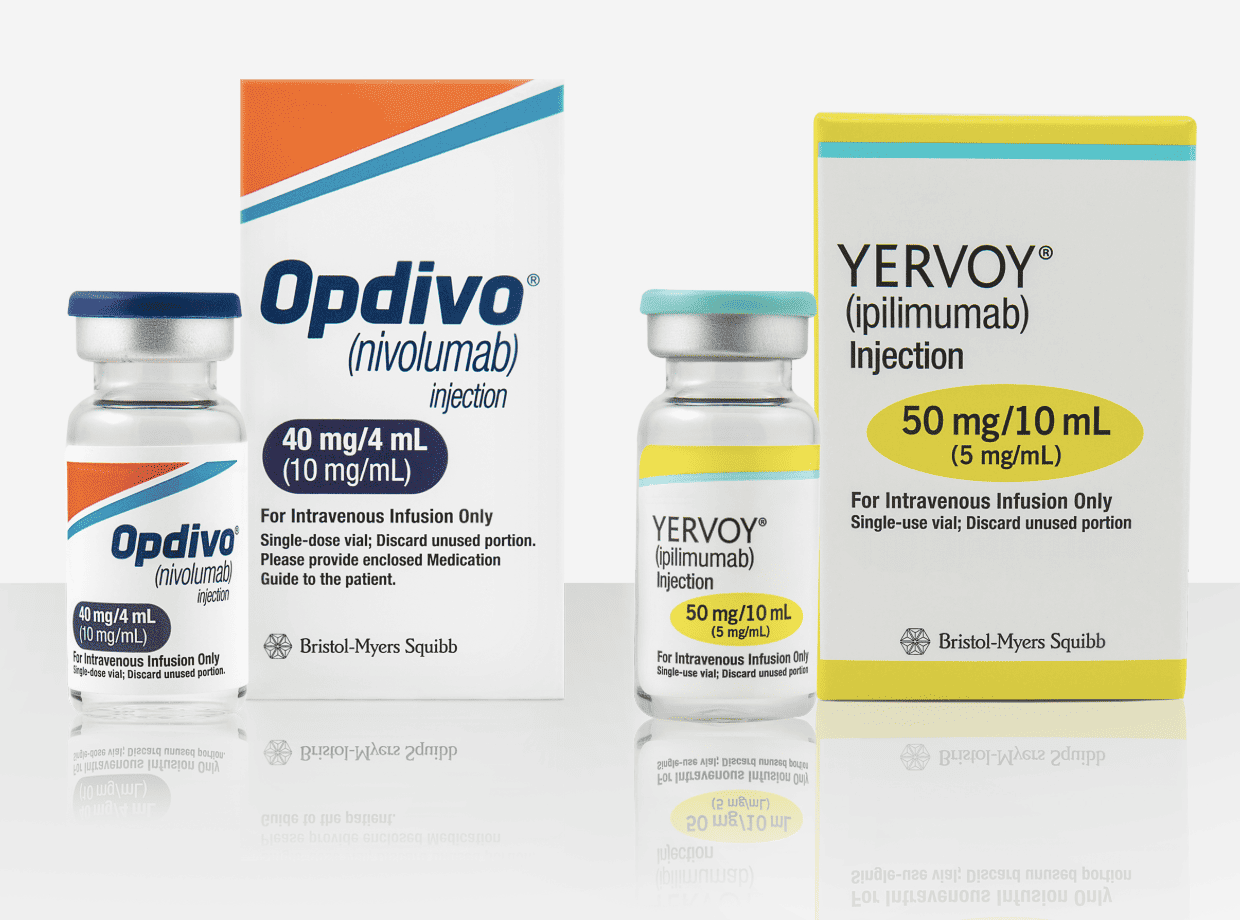
Summary of Key Findings from the Text: CheckMate 9LA Trial for Metastatic NSCLC
This text details the long-term (6-year) follow-up results of the checkmate 9LA trial, evaluating the combination of nivolumab plus ipilimumab with chemotherapy for first-line treatment of metastatic non-small cell lung cancer (NSCLC). Here’s a breakdown of the key takeaways:
1. Improved Survival with Combination Therapy:
* Progression-Free Survival (PFS): 6-year PFS rates favored the combination (9% vs 3%).
* Overall Survival (OS): The combination showed improved OS, and importantly, this benefit was observed regardless of the presence of common, traditionally poor-prognosis mutations in KRAS, STK11, KEAP1, or TP53. A important proportion of long-term survivors (32%, 37%, and 61% respectively) carried these mutations.
* Discontinuation due to Toxicity: Even patients who stopped treatment early due to adverse events had a ample 6-year OS rate (34%), suggesting early immune responses were effective.
2. Favorable Comparison to Other Trials:
* The authors acknowledge limitations of direct comparison, but highlight numerical advantages of CheckMate 9LA over the POSEIDON (durvalumab + tremelimumab) and KEYNOTE (pembrolizumab) trials.
* Specifically, patients with PD-L1 negative tumors showed a greater benefit with CheckMate 9LA:
* CheckMate 9LA: 6-year OS 20% vs 7%
* POSEIDON: 5-year OS 6% vs 4%
* KEYNOTE-407 (squamous NSCLC): 5-year OS 11% vs 13% (PD-L1 <1%)
* KEYNOTE-189 (nonsquamous NSCLC): 5-year OS 10% vs 5% (PD-L1 <1%)
* Pooled KEYNOTE analysis: 5-year OS 12% vs 9% (PD-L1 <1%)
3. Clinical Implications:
* The 6-year data solidify nivolumab plus ipilimumab with chemotherapy as a highly effective standard-of-care for first-line metastatic NSCLC.
* the regimen provides durable benefits across various patient subgroups, particularly those with low PD-L1 expression and squamous histology, who historically have had worse outcomes.
In essence, the study demonstrates that this combination therapy offers a significant and lasting improvement in survival for patients with metastatic NSCLC, even in traditionally challenging-to-treat populations.
