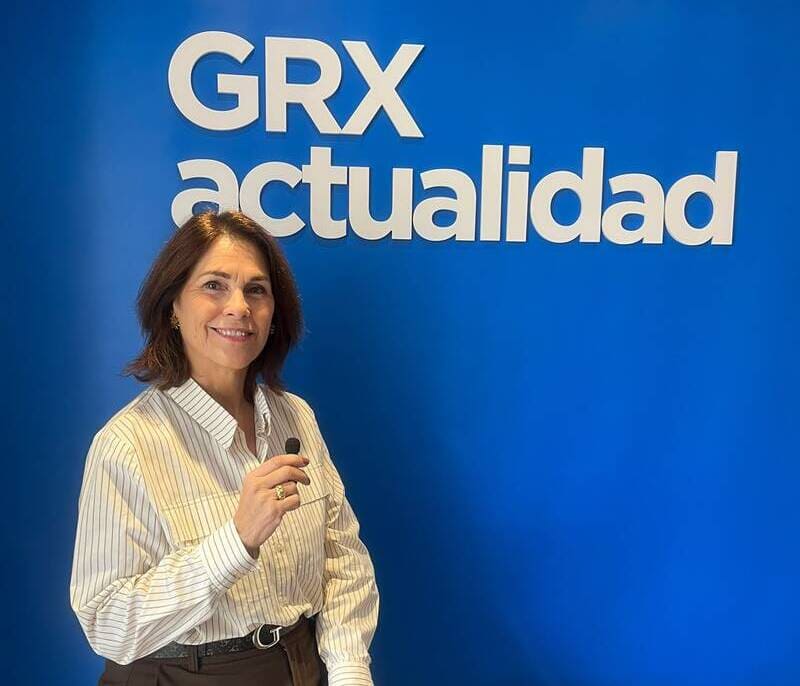
Charo Castellano vies for Best Actress at 2026 Premios Lorca
Charo Castellano, a newcomer who began her acting career at 55, is vying for Best Actress at the 2026 Premios Lorca.
Her nomination for the role of Cuca in Hijo de la ruina, directed by Francisco Yélamos, marks a milestone for the production, which has secured a record number of nominations for this year’s gala, according to Granada Actualidad.
Castellano, a resident of the province for more than a decade, entered the industry by chance after working as a background actor on El Príncipe. During that experience, she shared the set with José Coronado, Hiba Abouk, and director Ignacio Mercero. She later refined her craft at the Escuela de Teatro Remiendo, training in dubbing, theater, and acting for the camera.
“Cualquier persona puede ser cualquier cosa. Se trata de intentarlo, porque nunca sabes lo que puedes tener escondido,” Castellano said.
In Hijo de la ruina, she portrays a self-made woman defined by her ability to endure significant adversity. The film’s production spanned the province, utilizing locations in Pinos Puente, Motril, and the farm once owned by the father of Federico García Lorca. Castellano said that the shoot presented distinct physical challenges, particularly during scenes filmed in Otura and at the Lorca farm.
The nomination places her in a category alongside industry veterans including Carmen Maura, Hiba Abouk, Rosario Pardo, and Olivia Molina, according to Granada Actualidad. She recalled the moment the ceremony announcements were made, noting that her colleague Carmen Roma had also received a nomination for Best Supporting Actress.
“Estar nominada junto a Carmen Maura y Hiba Abouk, con quienes había coincidido, me dejó completamente sorprendida,” she said.
Despite the rising quality of local audiovisual work, Castellano pointed to a persistent struggle for talent within the region. She observed that while provincial governments provide funding for local projects, actors based in Granada are frequently excluded from major roles in subsidized productions, often forcing them to seek work elsewhere to advance their careers.
Reflecting on the realities of the profession, Castellano expressed a pragmatic view regarding the demands of the industry and the risk of being typecast in specific roles.
“El actor tiene que comer, si a mí me meten en una serie y me encasillan en un papel, diría: «Bueno, muy bien, porque estoy aquí cobrando y es lo que me dan»,” she said.
Balancing her professional life requires intense focus, as she manages the technical complexities of a film set—managing the intrusion of crews, lights, and cables while maintaining emotional depth.
“Si pierdes la concentración y la emoción, ya no es lo mismo. Esa es una dificultad enorme del cine,” she said.