
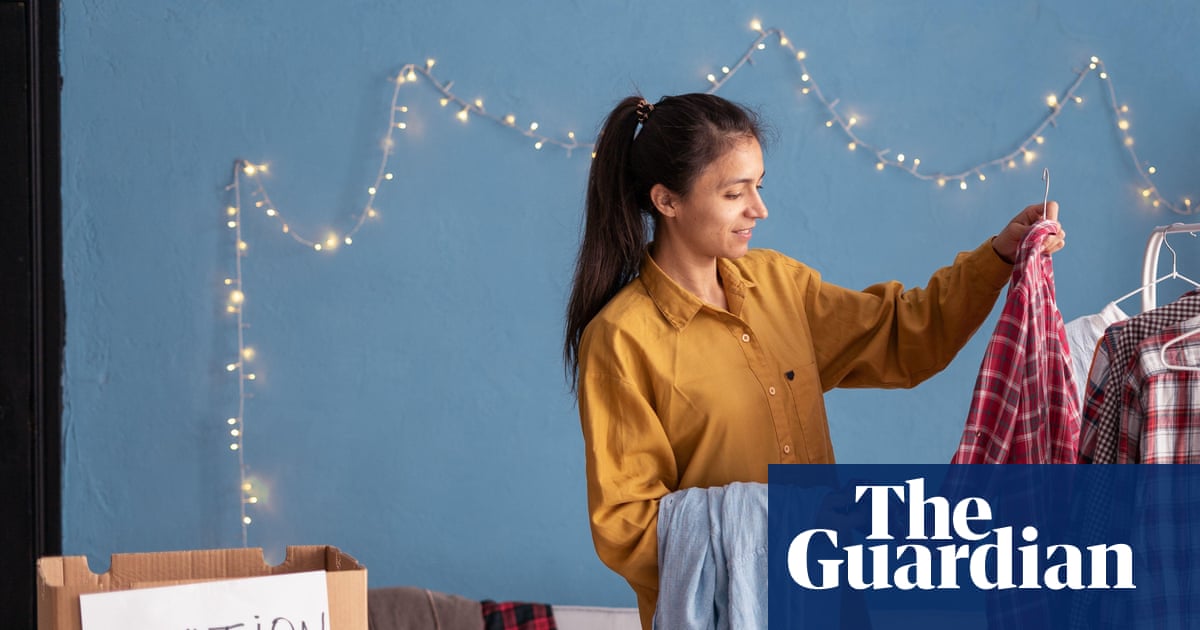
UK charity shops are experiencing an unexpected boost in sales, driven by a surge in younger shoppers inspired by online secondhand fashion platforms like Vinted and Depop, despite ongoing economic headwinds. Save the Children reported a 3% increase in retail sales last year, with a particularly strong December seeing an 11% rise compared to the previous year, generating over £1 million for the charity’s causes.
The trend reflects a broader shift in consumer behaviour, particularly among young people, towards more sustainable and affordable fashion choices. Allison Swaine-Hughes, chief commercial officer at British Heart Foundation, noted that platforms like eBay, Vinted and Depop have “helped grow interest in secondhand shopping, which is positive for the whole reuse sector.” British Heart Foundation is a top-rated seller on Depop and a major eBay charity seller, and has seen increased transactions in its physical stores.
However, the increased competition for donations from online platforms is creating challenges for charity retailers. According to the Charity Retail Association (CRA), some donors are choosing to sell quality items online rather than donate them. This comes as Scope prepares to close 77 of its 138 stores by the complete of March 2026, following a £2.2 million loss over two years.
Despite the rising sales, profitability remains a significant concern for the charity retail sector. Robin Osterley, chief executive of the CRA, highlighted the impact of increased national insurance contributions for employers and the rising minimum wage, stating they have “put a big squeeze on profitability” for many charities. The declining value of “rag” – unsellable clothing – also contributes to reduced income, as charities rely on revenue from selling this fabric to specialist traders.
The number of charity shops in the UK decreased by almost 80 to 4,304 last year, influenced by rising costs related to rent, utilities, and wages, as well as the impact of fast fashion on the quality of donations. However, Osterley emphasized that the sector is undergoing a period of “change and consolidation rather than disaster,” with the total retail space occupied by charities increasing by almost 6%. Charities are increasingly opting for larger stores to offer a wider selection of goods.
Save the Children is adapting to the changing landscape by focusing on attracting and retaining volunteers, particularly younger individuals. In 2024, 42% of new Save the Children shop volunteers were aged between 18 and 24, compared to 28% in 2021. This influx of volunteers has lowered the average age of volunteers to 28, enabling more efficient stock sorting and tailored offerings, such as highlighting vintage items in stores near universities.
Ian Matthews, Save the Children’s director of retail and communities, acknowledged the increased competition from online platforms but emphasized the continued generosity of the public and the growing market for sustainable shopping. “The market is so much bigger and it is making us really step up our game,” he said. He added that the charity is offsetting rising costs with increased sales.
