
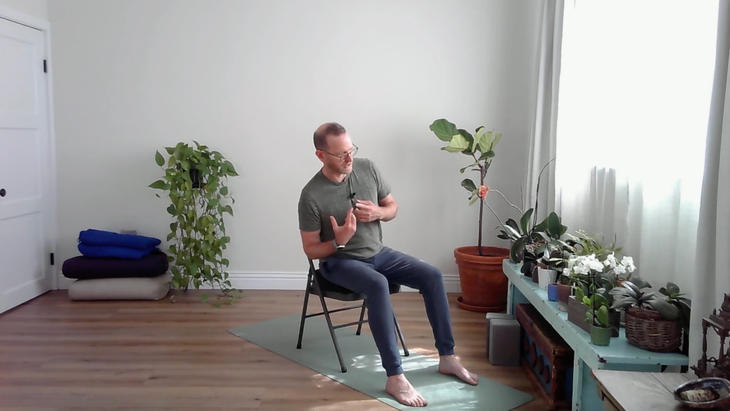
Chair Yoga: Enhance Balance adn Mobility With These Poses
Table of Contents
Chair yoga offers a supportive approach to enhancing balance and mobility, utilizing a sturdy chair as a prop for both seated and standing postures. This practice creates a safe habitat to explore and improve stability, making it ideal for individuals with limited mobility, those recovering from injuries, or anyone seeking accessible support. According to the CDC, falls are a leading cause of injury and death from injury among older Americans, highlighting the importance of balance-focused exercises like chair yoga 1.
Chair Yoga Poses for Balance and Stability
before starting, ensure your chair is the correct height, allowing your feet to rest flat on the floor. Gather a yoga block, folded blanket, and pillow for added comfort.
Seated Mountain Pose
Begin by sitting in your chair with your feet hip-width apart and flat on the floor. Keep your spine lifted, avoiding leaning against the chair’s back. Gently shift your weight forward,backward,and side to side to find your center of gravity.
Did You Know? Regular yoga practice can improve proprioception, your body’s ability to sense its position in space, which is crucial for balance.
Seated Cat Cow
Place your hands on your knees. As you inhale, arch your back, drawing your shoulders back and lifting your chest. As you exhale, round your spine, tucking your chin toward your chest. Repeat this movement several times, coordinating your breath with each stretch.
Seated twist
Inhale and lengthen your spine.As you exhale, twist to the right, gently holding onto the chair’s back for support.Keep your spine long and avoid forcing the twist.Inhale to return to center and repeat on the left side.
Seated Tree Pose
Place a yoga block between your thighs. Bring the sole of your right foot to your inner left thigh or calf, avoiding the knee joint. Press your hands together at your chest in prayer position. Maintain pressure on the block to engage your inner thighs and improve balance.
Pro Tip: Focus on a fixed point in front of you to help maintain your balance during this pose.
If agreeable, raise your arms overhead while maintaining balance on the block. Release and repeat on the opposite side.
Mountain Pose
Stand behind your chair with your feet hip-width apart. Rest your fingertips lightly on the chair’s back for balance, if needed. Breathe deeply.
Release your arms to your sides, palms facing forward. Take three breaths, softening your knees and lengthening your spine.
King Dancer Pose
Place your left hand on the chair’s back and shift your weight to your left foot. Soften your left knee as you bend your right leg, lifting it and bringing your right ankle or foot toward your right hand for King Dancer Pose. Use a strap if you cannot reach your ankle, or hold onto your pant leg.
Keep your left hand on the chair or reach your left arm forward or alongside your ear, if comfortable.
Release slowly and repeat on the opposite side.
Standing Locust Pose
Place both hands on the chair’s back. Reach your right leg behind you,pressing your toes into the floor and lifting your heel. Extend your left arm alongside your ear.
Stay here or lift your right foot off the mat, balancing on your left leg. If comfortable, release your right hand and hover your fingers over the chair’s back.
Release slowly and repeat on the opposite side.Repeat on both sides again.
Seated Savasana
Sit in the chair, placing your hands in your lap or on your thighs and extending your feet slightly in front of you.
Chair Yoga Poses
| Pose | Description | Benefits |
|---|---|---|
| Seated mountain Pose | Feet flat on floor, spine lifted. | Grounding, improves posture. |
| Seated Cat Cow | Alternating arching and rounding of the spine. | Increases spinal versatility, stimulates abdominal organs. |
| Seated Twist | twisting the torso while seated. | Improves spinal mobility,relieves tension. |
| Seated tree Pose | One foot placed on the inner thigh of the opposite leg. | Enhances balance, strengthens legs. |
| Mountain Pose | Standing with feet hip-width apart, arms at sides. | Improves posture, grounding. |
| king Dancer Pose | Holding one foot behind while balancing on the othre leg. | Improves balance, strengthens legs and core. |
| Standing Locust Pose | Extending one leg back and opposite arm forward. | Strengthens back, improves balance. |
| Seated Savasana | Relaxing in a seated position. | Promotes relaxation, reduces stress. |
The Growing Popularity of Chair Yoga
Chair yoga has gained traction as an accessible form of exercise, particularly among older adults and individuals with physical limitations. Its adaptability allows practitioners to modify poses to suit their individual needs, making yoga inclusive and beneficial for a wider audience. According to a study published in the Journal of the American Geriatrics Society,modified yoga programs can improve physical function and reduce the risk of falls in older adults 2.
Frequently Asked Questions About Chair Yoga
- What are the primary benefits of chair yoga?
- Chair yoga enhances balance, improves mobility, reduces stress, and increases flexibility, making it accessible for individuals with limited mobility or those recovering from injuries.
- Is chair yoga suitable for beginners?
- Yes, chair yoga is excellent for beginners as it provides support and stability, allowing individuals to gradually build strength and flexibility.
- What type of chair is best for chair yoga?
- A sturdy,armless chair that allows your feet to rest flat on the floor is ideal for chair yoga. Ensure the chair is stable and won’t slip during practice.
- How often should I practice chair yoga to see results?
- Practicing chair yoga 2-3 times a week can lead to noticeable improvements in balance,flexibility,and overall well-being. Consistency is key to experiencing the full benefits.
- Can chair yoga help with back pain?
- Yes, chair yoga can alleviate back pain by improving posture, strengthening core muscles, and increasing spinal flexibility. Specific poses like seated cat-cow and seated twists can be particularly beneficial.
- Are there any precautions to consider before starting chair yoga?
- If you have any pre-existing health conditions, such as joint pain or high blood pressure, consult with your healthcare provider before starting chair yoga. Listen to your body and modify poses as needed.
Disclaimer: This content is for informational purposes only and does not constitute medical advice. Consult with a qualified healthcare professional before starting any new exercise program.
Ready to improve your balance and mobility? Share this article with your friends and family and let us know in the comments which chair yoga pose is your favorite!
