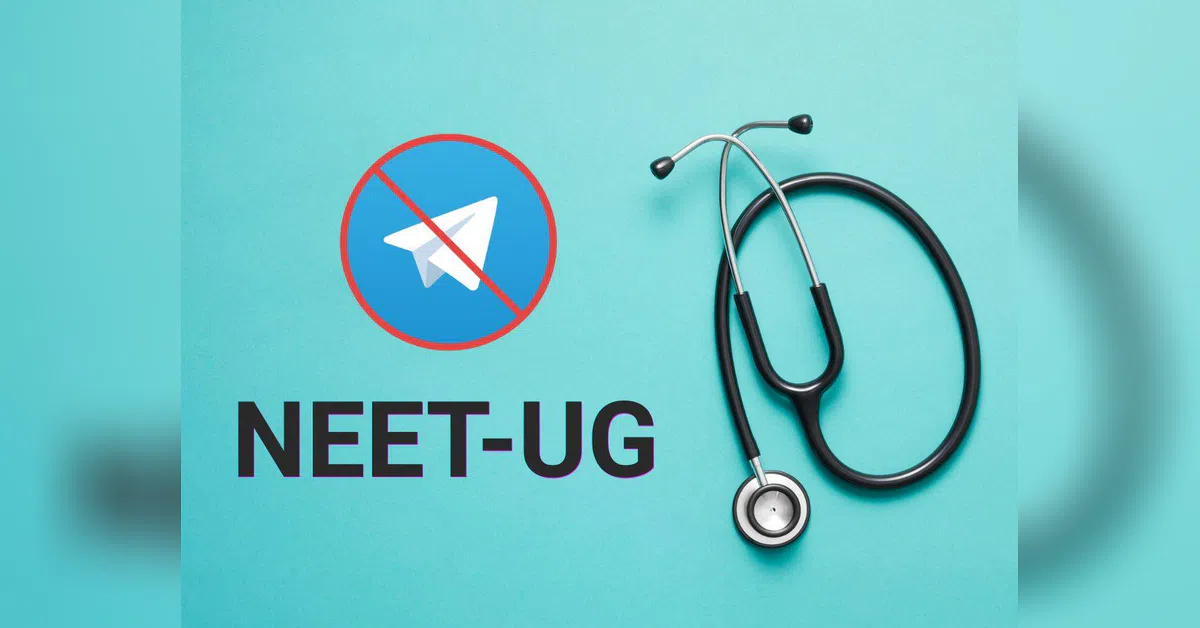
Centre Restricts Telegram Access and Disables Message Editing Amid NEET-UG Fraud Concerns
The Indian government has restricted access to the Telegram messaging platform until June 22, 2026, and disabled message editing features until June 30, following reports of widespread examination fraud. The National Testing Agency (NTA) flagged security risks ahead of the NEET-UG re-examination, prompting the Ministry of Electronics and Information Technology to implement these emergency curbs to prevent the circulation of leaked test papers.
The Mechanics of the Digital Blackout
The directive, issued in response to systemic integrity concerns, targets specific functionalities that have historically facilitated the rapid dissemination of illicit exam materials. By disabling the “edit” function on messages, authorities aim to prevent bad actors from altering content after it has been shared, thereby freezing the digital trail of any potential leaks. This intervention is a direct response to the National Testing Agency (NTA) findings, which identified encrypted messaging platforms as the primary channels for organized cheating syndicates.
For students and families caught in this administrative upheaval, the digital uncertainty creates significant friction. While the government maintains these measures are temporary, the disruption to daily communication highlights a growing reliance on third-party platforms that lack local oversight. Those seeking clarity on their rights or needing to manage administrative appeals during this period often find it necessary to consult legal advocacy professionals who specialize in educational law and digital privacy rights.
Historical Context: Why Telegram is Under Scrutiny
This is not the first time the platform has faced state-level intervention. Telegram’s architecture, which emphasizes end-to-end encryption and anonymous group sharing, has frequently placed it at odds with law enforcement agencies attempting to track cyber-crimes. According to a report by the Ministry of Electronics and Information Technology, the platform’s refusal to provide granular user data in previous investigations has led to a hardened stance from the Indian government regarding platform accountability.
.jpg "Historical Context: Why Telegram is Under Scrutiny")
“Digital infrastructure is the backbone of modern education, but when that infrastructure is exploited to compromise the sanctity of national testing, the state’s intervention becomes a matter of public interest. The current restrictions on Telegram are not merely about blocking a service; they are about disrupting a well-oiled machine of fraud that has operated in the shadows for too long.” — Dr. Alok Verma, Senior Policy Analyst at the Institute for Digital Governance.
Regional Impact and Infrastructure Challenges
The impact of this blockade is disproportionately felt in cities serving as educational hubs, such as Kota and Delhi, where students rely heavily on digital communication for study groups and resource sharing. Local economies that have pivoted toward ed-tech services are now finding their primary distribution channels compromised. The sudden shift forces organizations to scramble for alternative, compliant communication protocols.
Businesses providing secure data transmission or encrypted internal communications are seeing a surge in inquiries. For educational institutions and coaching centers, the need to maintain operational continuity while ensuring strict compliance with new government mandates is paramount. Many are turning to specialized cybersecurity firms to implement private, controlled environments that fall within the legal parameters set by the government.
| Action | Duration | Primary Goal |
|---|---|---|
| Telegram Access Block | June 16 – June 22, 2026 | Prevent illicit document circulation |
| Message Edit Disable | June 16 – June 30, 2026 | Maintain forensic integrity of shared files |
Navigating the Regulatory Landscape
The Ministry of Education has emphasized that the re-examination process must be shielded from any external interference. This mandate puts immense pressure on local administrative bodies to monitor digital traffic. As the June 22 deadline approaches, the burden of compliance shifts to the service providers and the end-users who must adapt to these temporary limitations.

Failure to comply with these emergent mandates can carry significant weight for businesses or organizations found hosting or distributing sensitive educational data outside of secure channels. Navigating these penalties requires precision and a clear understanding of the Information Technology Act. For those concerned about potential liability, engaging with regulatory compliance experts is the recommended course of action to ensure that all digital operations remain within the bounds of the law.
The tension between digital privacy and the necessity of national security remains a defining feature of the current administrative cycle. As the government continues to refine its approach to managing online platforms, the reliance on transparent, verified, and secure communication channels will only grow. Stakeholders must remain vigilant, ensuring that their operational frameworks are robust enough to withstand sudden regulatory shifts. For those needing professional guidance through these volatile changes, our global directory of vetted service providers remains an essential resource for securing expert assistance during this critical period.