
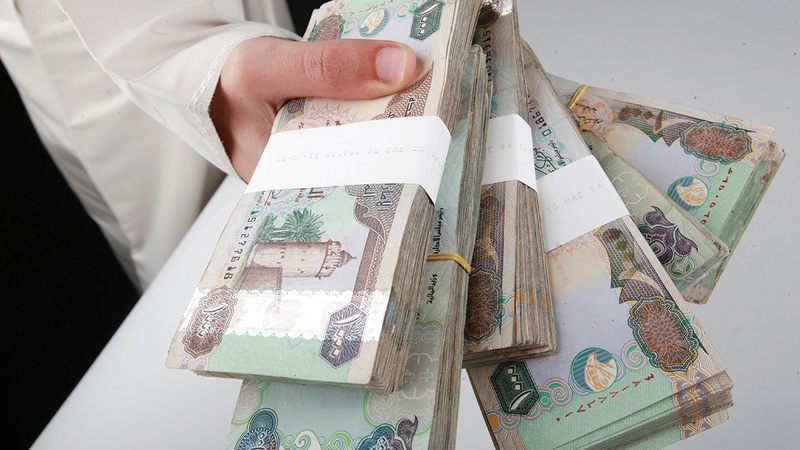
The UAE Central Bank is now at the center of a structural shift involving monetary easing. The immediate implication is a broad reduction in borrowing costs that could accelerate real‑estate activity and consumer spending while pressuring deposit yields.
The Strategic Context
The United Arab Emirates has long relied on a tightly managed banking sector, with liquidity supplied primarily by the Central Bank and anchored to the U.S. Federal reserve’s policy stance. Over the past quarter the UAE has executed three consecutive base‑rate cuts, mirroring a global trend of accommodative monetary policy aimed at offsetting slower growth and subdued commodity price dynamics. This environment is underpinned by historically high bank liquidity,low inflation,and a desire to sustain the nation’s diversification agenda away from oil‑linked revenues.
Core Analysis: Incentives & Constraints
Source signals: The Central Bank lowered its overnight deposit facility rate by 25 bps to 3.65 % and kept the short‑term borrowing spread at 50 bps above the base rate. Bank officials highlighted abundant liquidity, reduced funding costs, and a direct link to the Fed’s recent 25 bps reserve‑rate cut. Experts Ahmed Arafat and Sheikha Al‑Ali noted that cheaper financing will lower existing mortgage installments, enable loan refinancing, and stimulate demand for real‑estate and consumer credit, while also warning that deposit returns will decline.
WTN Interpretation: The rate cuts serve multiple strategic objectives. First, they preserve momentum in the UAE’s economic diversification by encouraging credit‑driven consumption and real‑estate investment, sectors critical for job creation and non‑oil GDP growth. Second, by aligning the base rate with the Fed, the Central Bank maintains currency stability and capital inflows, leveraging the dirham’s peg to the dollar. Constraints include the need to protect the banking sector’s profitability,which is vulnerable to prolonged low‑rate environments,and the risk of overheating in property markets that could invite regulatory tightening. Moreover, the reliance on external monetary cues limits policy autonomy, making the UAE sensitive to any reversal in U.S. tightening.
WTN Strategic Insight
“In a dollar‑anchored economy, the UAE’s monetary easing is less about domestic inflation and more about sustaining a credit‑fuelled diversification engine while riding the Fed’s policy wave.”
Future Outlook: Scenario Paths & Key Indicators
Baseline Path: If the Fed continues to ease through early 2026 and regional oil demand remains stable, the UAE will maintain its rate‑cut trajectory. Credit growth will stay robust, real‑estate transactions will rise, and consumer spending will expand, supporting a modest GDP acceleration. Banking profitability may compress,prompting modest adjustments to loan‑pricing spreads but without major regulatory intervention.
Risk Path: If global inflation resurges, prompting the Fed to reverse course and raise rates, the UAE’s base rate could be forced upward to preserve the dirham peg. A rapid rate hike would increase borrowing costs, dampen real‑estate demand, and pressure household debt servicing, potentially triggering a slowdown in credit growth and a corrective move in property prices. Simultaneously, any domestic fiscal strain or external shock (e.g., geopolitical tension affecting oil flows) could compel the Central Bank to tighten liquidity, amplifying the risk.
- indicator 1: Schedule of the U.S. Federal Reserve meetings and any announced changes to the federal funds rate (quarterly, next meeting in March 2026).
- Indicator 2: UAE Central bank’s next policy review (expected in June 2026) and the published overnight interbank rate (EIBOR) trend.
