Cencosud Acquires Makro Colombia: A $158M Expansion Move for Retail Giant
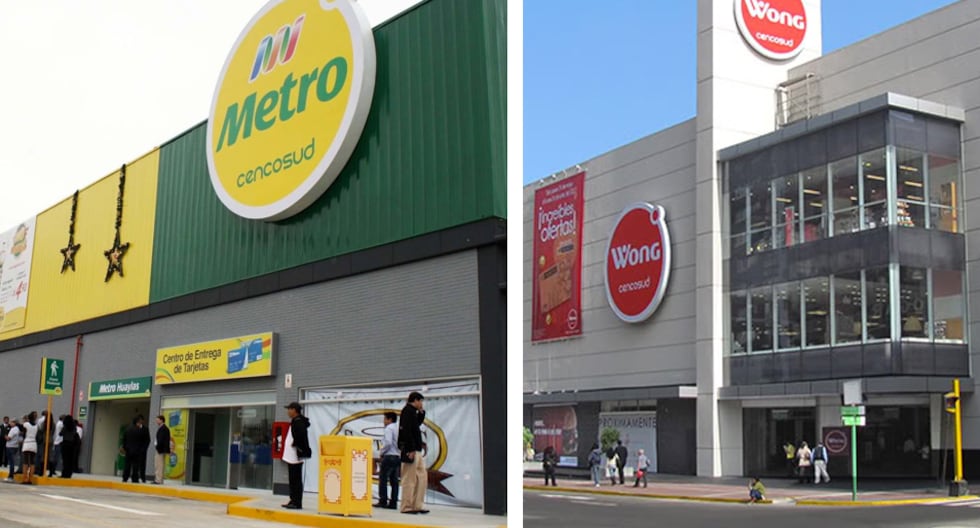
Cencosud, the Chilean multinational parent company of Wong and Metro, has finalized the acquisition of the Makro Supermayorista chain in Colombia for USD 158 million. The transaction, confirmed by the company, expands Cencosud’s footprint in the wholesale sector, aiming to bolster its regional market share and supply chain efficiency.
Strategic Consolidation in the Andean Retail Market
The acquisition of Makro’s Colombian operations represents a calculated shift for Cencosud as it seeks to capture higher margins within the wholesale-to-retail segment. By integrating a established super-wholesale brand, the company gains immediate access to a diversified client base ranging from small-scale professional food service providers to price-sensitive urban households. According to filings released by Cencosud’s Investor Relations department, the deal is valued at approximately USD 158 million, a figure corroborated by reports from Forbes Chile and Semana Económica.
Market analysts note that this acquisition is not merely about physical store count; it is a play for logistical dominance. Wholesale models offer higher inventory turnover rates, which are essential for maintaining liquidity in high-inflation environments. Organizations facing similar expansion challenges often engage top-tier corporate law firms to navigate the complexities of cross-border regulatory compliance and antitrust scrutiny.
Fiscal Implications of the Makro Integration
Integrating a wholesale infrastructure requires substantial capital expenditure in technology and distribution networks. Cencosud’s move follows a broader trend of retail giants moving away from pure-play brick-and-mortar towards hybrid models that combine retail convenience with wholesale volume. The USD 158 million price tag reflects a strategic premium paid for market entry in a competitive Colombian landscape.

For mid-market competitors, this consolidation signals a tightening of the competitive moat. As margins compress, smaller firms are increasingly turning to specialized supply chain consulting firms to optimize their own procurement processes and defend against the aggressive pricing structures of large-scale conglomerates. The ability to maintain EBITDA margins amidst such aggressive expansion is a primary indicator of long-term solvency.
Evaluating the Multi-Channel Growth Strategy
Cencosud’s portfolio, which includes the premium Wong brand and the mass-market Metro chain, now gains a defensive asset in Makro. This multi-tiered approach allows the firm to hedge against consumer spending fluctuations. When discretionary income drops, consumers shift toward wholesale outlets; when confidence rises, they pivot back to traditional supermarkets. This cyclical balance is essential for maintaining a stable yield curve for shareholders.
- Market Diversification: The move allows Cencosud to balance its exposure between high-end urban retail and budget-conscious wholesale.
- Logistical Leverage: Controlling the wholesale supply chain allows for tighter control over stock levels and wholesale pricing power.
- Regional Dominance: The acquisition strengthens the company’s position in Colombia, a key growth market for Chilean multinationals.
The financial integration of these entities is rarely seamless. Firms undergoing such rapid scaling often require the expertise of enterprise-grade financial integration services to reconcile disparate accounting systems and manage the associated debt-to-equity ratios. Without these services, the risk of operational silos remains high.
Future Trajectory and Market Stability
As of June 2026, the retail sector remains under pressure from persistent inflationary headwinds and shifting consumer behavior. Cencosud’s acquisition suggests an aggressive stance, betting that scale will overcome the current volatility in commodity pricing. The success of this deal will ultimately hinge on the company’s ability to extract synergies from Makro’s existing distribution centers without disrupting the established supply chain links that define the wholesale model.

Investors will be watching the next two fiscal quarters for signs of margin expansion or, conversely, the burden of integration costs. For firms looking to mirror this growth or protect their own market share, the path forward requires rigorous due diligence and, often, the strategic partnership of firms listed in our Global Business Services Directory. The landscape is shifting toward extreme scale; those who fail to adapt their infrastructure will likely find themselves as acquisition targets rather than acquirers.