
Paligenosis, Cathartocytosis, and the Double-edged Sword of Cellular Repair: A Summary
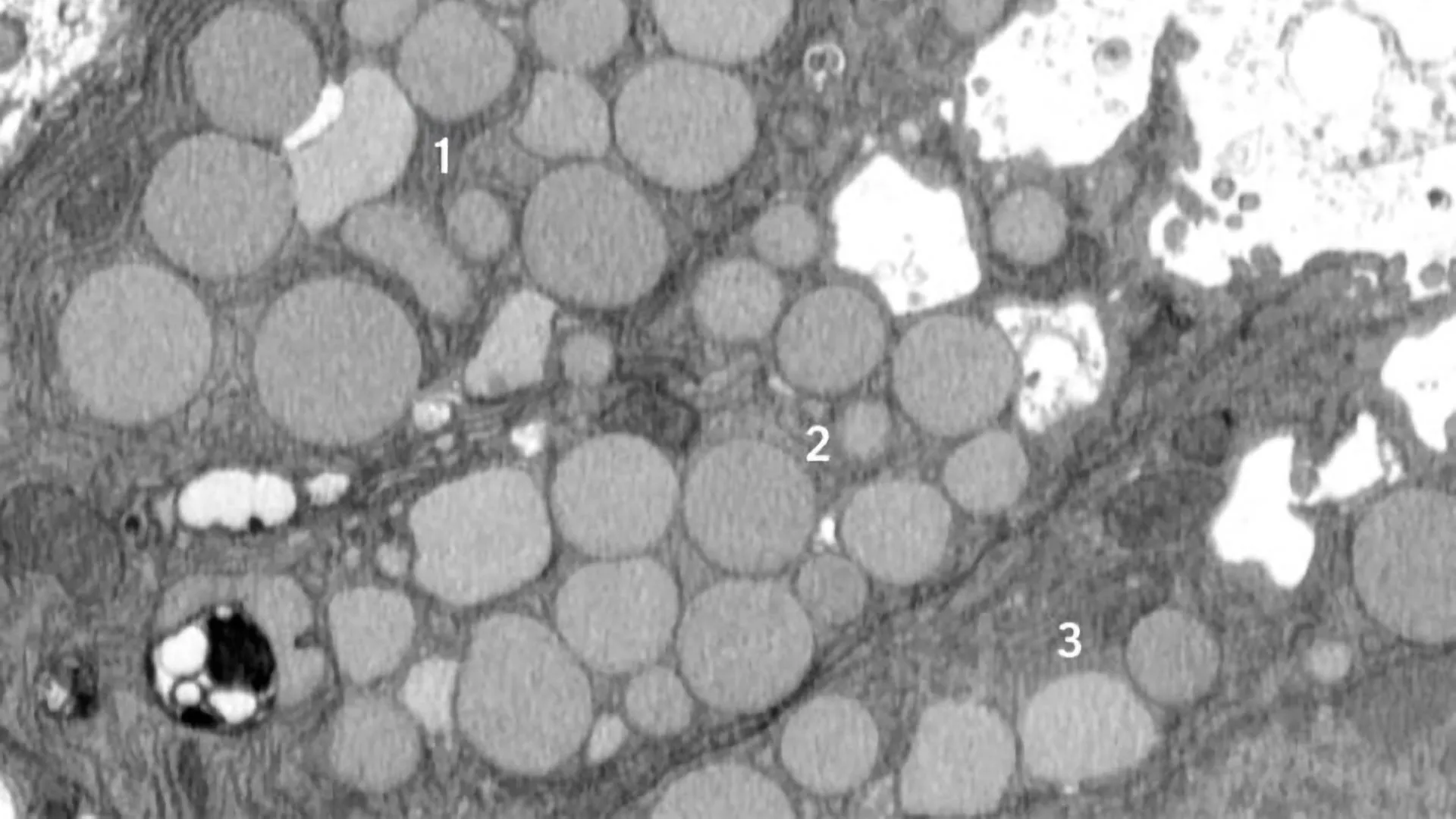
Recent research led by a team at Washington University School of Medicine has uncovered a crucial process called cathartocytosis that occurs during paligenosis – the remarkable ability of injured cells to revert to an immature, stem cell-like state for repair and regeneration. initially, scientists believed cellular “decluttering” before this reprogramming happened solely within cells (lysosomes). However, researchers observed notable debris outside cells, leading to the discovery that cells actively “vomit” out their damaged components as part of the paligenosis process.
This “vomiting,” or cathartocytosis, isn’t a malfunction; it’s a intentional mechanism. The team demonstrated this using a mouse model of stomach injury,showing a synchronized expulsion of waste across all affected cells. While cathartocytosis facilitates rapid regeneration, it comes with a potential downside: the ejected waste can fuel inflammation, perhaps hindering chronic injury resolution and even increasing cancer risk.
Specifically, the researchers highlight the danger in long-lived cells like those in the stomach. as these cells age, they accumulate mutations. Reverting to a stem cell state (paligenosis) combined with inflammation from cathartocytosis creates a breeding ground for harmful mutations to proliferate, potentially leading to cancer. They suspect this process might potentially be involved in chronic conditions like Helicobacter pylori infections.
though, this discovery also offers hope. The team has developed an antibody that detects the waste products of cathartocytosis, potentially serving as an early marker for precancerous states. Ultimately, a deeper understanding of cathartocytosis coudl lead to therapies that enhance healing while simultaneously preventing cancer development by either encouraging beneficial repair or blocking the harmful effects of chronic cathartocytosis.
