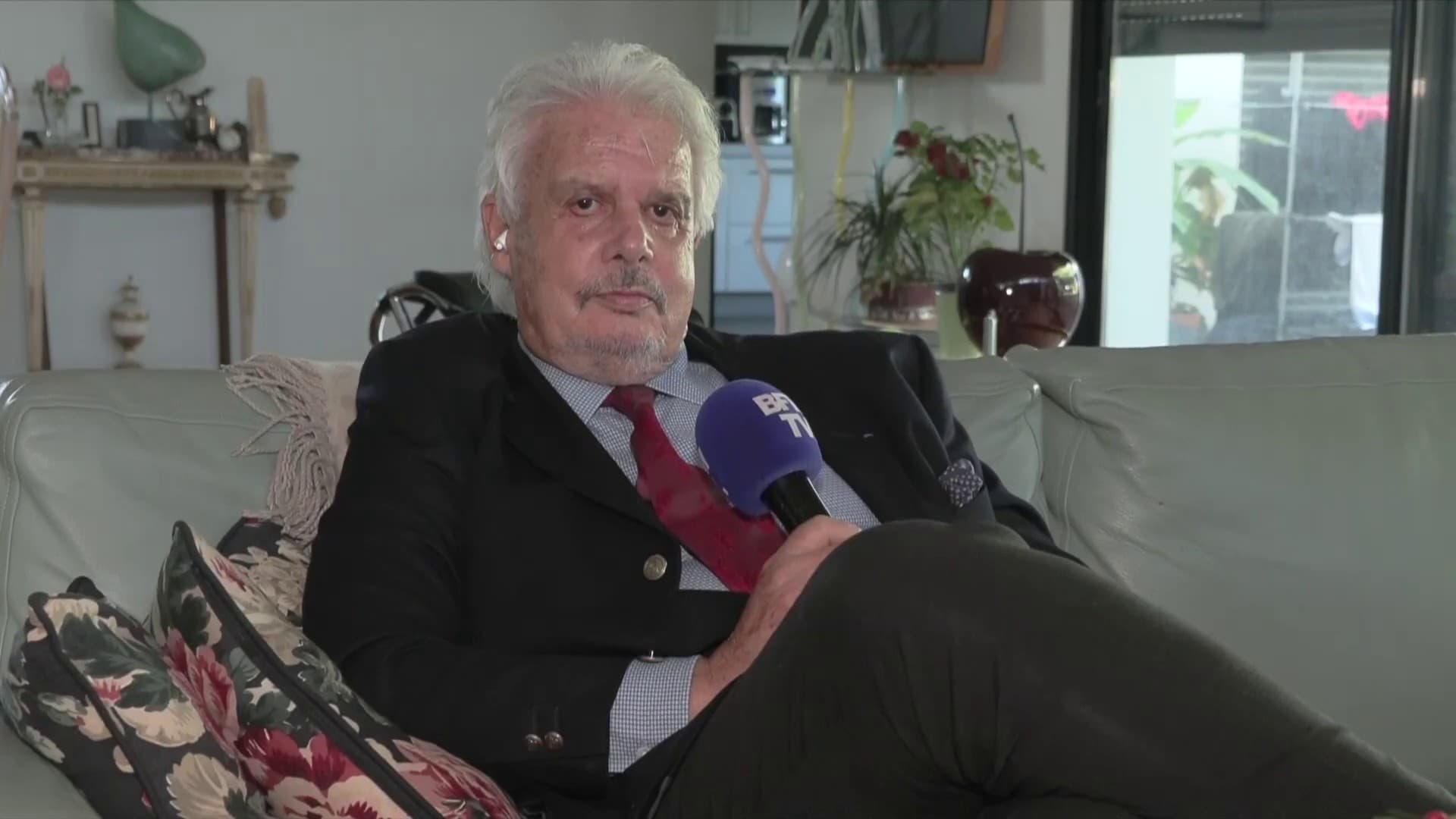
Cédric Jubillar Confesses to Role in Delphine Jubillar Disappearance
Cédric Jubillar has confessed to responsibility for the death of his wife, Delphine Aussaguel, five years after her disappearance in the Aveyron region of France, according to reports from BFM and La Dépêche on July 6, 2026. While Jubillar admitted the act in a letter, his legal counsel maintains he never intended to kill her.
The admission ends years of speculation and judicial deadlock in one of France’s most publicized missing persons cases. However, the confession is already fractured by contradictory legal strategies and emotional outcry from the victim’s family.
How did Cédric Jubillar admit to the crime?
The breakthrough occurred via a written confession. According to Le Monde, Jubillar acknowledged in a letter that he was the cause of Delphine Aussaguel’s death. This admission follows a protracted legal battle and years of investigative searches in the rugged terrain of southern France.
The confession is not a straightforward admission of murder. His lawyer stated to BFM that Jubillar “never had the will to kill his wife,” suggesting a defense based on accidental death or a lack of premeditation. This distinction is critical under French law, as it separates intentional homicide from manslaughter or involuntary killing.
Philippe Pressecq, another lawyer involved in the case, expressed profound skepticism regarding the sudden change in posture, stating to Sud Ouest, "With Jubillar, I doubt everything, even his confessions."
Why are the victim’s relatives reacting with anger?
The confession has not brought immediate closure to the Aussaguel family. Le Figaro reports that relatives of the disappeared woman described the defense’s claim—that there was no intent to kill—as “bordering on indecency.”
For five years, the family has navigated the agony of an unsolved disappearance. The shift from a missing person’s case to a homicide investigation with a “lack of intent” plea is viewed by the family as a final attempt by the accused to avoid the maximum penalty.
The psychological toll on the family is immense.
Comparing the legal narratives
The current situation presents a sharp contrast between the factual admission and the legal interpretation of that admission.

| Perspective | Core Claim | Source |
|---|---|---|
| Cédric Jubillar (Letter) | Responsible for Delphine’s death | Le Monde / La Dépêche |
| Defense Counsel | No intention to kill | BFM |
| Philippe Pressecq | Confession is untrustworthy | Sud Ouest |
| Aussaguel Family | Defense is “indecent” | Le Figaro |
This fragmentation suggests that the coming trial will focus less on if Jubillar was involved and more on the nature of the act. The French judiciary must now determine if the evidence supports a charge of murder or a lesser offense.
What happens to the investigation now?
A confession of responsibility without a specified location for the remains leaves the case partially unsolved.
The regional impact in Aveyron has been significant. For years, the search for Delphine Jubillar dominated local discourse and utilized extensive municipal resources.
The case of Delphine Jubillar serves as a grim reminder of the limitations of forensic evidence when faced with a determined silence. The eventual sentencing of Cédric Jubillar will not only be a matter of justice for the Aussaguel family but a test of the French legal system’s ability to handle confessions that are strategically timed and internally contradictory.