
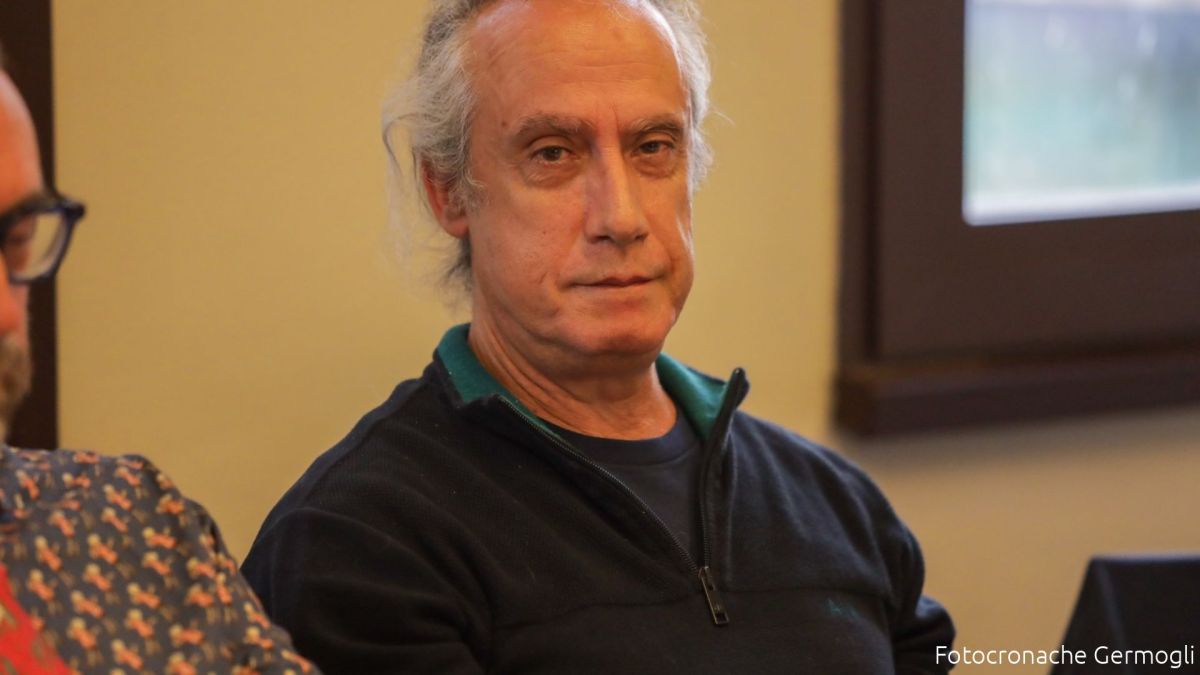
Casting Call for New Film 576 by Gianmarco D’Agostino
Director Gianmarco D’Agostino and Advaita Film are casting for the short film “576,” based on a story by writer Marco Vichi. Open to both professional and non-professional actors resident in Tuscany, auditions take place May 9 in Greve in Chianti and May 11 in Prato, seeking Moroccan leads for a September production.
In the current climate of independent cinema, the pursuit of “hyper-authenticity” has shifted from a stylistic choice to a commercial necessity. For a project like “576,” the casting call isn’t just about finding faces that fit a frame; it is a targeted search for cultural markers and linguistic precision. By insisting on Tuscan residency and specific knowledge of Darija—the Moroccan Arabic dialect—D’Agostino is signaling a commitment to a grounded, neorealist aesthetic that avoids the polished sterility of studio productions. This approach creates a fascinating intersection between regional identity and the globalized experience of the Moroccan diaspora in Italy.
The Architecture of Authenticity: Casting the Diaspora
The roles specified for “576” suggest a narrative centered on familial tension and the weight of labor. The production is seeking an “Amir,” a 12-to-13-year-old boy of Moroccan origin with an “intense and authentic” gaze, and “Aziz,” a father in his 40s or 50s who is “marked by work.” Then there is “Nadira,” the maternal anchor—strong, authoritative, yet loving. The requirement for Darija is not a mere preference for the adult roles; it is a prerequisite. This linguistic barrier effectively narrows the talent pool, transforming the casting process into a sociological survey of the region.
When a production pivots toward non-professional actors to achieve this level of grit, they exchange the reliability of trained performers for the raw equity of lived experience. However, this move introduces a specific set of logistical and legal frictions. Non-professionals often lack the contractual infrastructure that union actors provide, necessitating the involvement of specialized entertainment attorneys to navigate labor laws, image release forms, and fair compensation for non-union talent to avoid future intellectual property disputes.
“The modern independent short is no longer just a calling card for a director; it is a precision-engineered piece of intellectual property designed for the SVOD (Subscription Video On Demand) ecosystem, where authenticity is the primary currency for festival programmers.”
This trend toward authentic casting is echoed in the broader industry. According to analysis from Variety, the rise of “localized storytelling” has seen a surge in productions that prioritize regional dialects and non-professional casts to appeal to a global audience craving “unfiltered” narratives. By anchoring “576” in the specific geography of Greve in Chianti and Prato, Advaita Film is leveraging the brand equity of the Tuscan landscape to contrast with the urban, immigrant experience of its protagonists.
From Prose to Production: The Vichi Influence
The transition of a story from Marco Vichi’s prose to Gianmarco D’Agostino’s lens is where the intellectual property begins to evolve. Vichi is known for his ability to capture the nuances of human fragility, and translating that to a visual medium requires a director who understands the silence between the lines. The choice of locations—the Sala Margherita Hack in Greve in Chianti and the Teatro Nuti at Manifatture Digitali Cinema Prato—indicates a production that is deeply integrated into the local cultural fabric.

Managing a multi-city casting call and a subsequent shoot in September requires more than just creative vision; it requires a logistical leviathan. Coordinating between different municipalities, managing the flow of hopeful actors, and securing permits for regional shoots often forces independent productions to partner with regional event management and site coordination firms to ensure that the creative process isn’t derailed by bureaucratic friction.
The Business of the Regional Short
While the artistic goal of “576” is centered on the human condition, the business goal is likely the festival circuit. In the hierarchy of media, the short film serves as a high-impact, low-overhead vehicle for brand building. For Advaita Film, the success of “576” depends on the chemistry of its leads. The insistence on a “strong and authoritative” Nadira and a “marked” Aziz suggests a drama that relies on emotional gravity rather than plot twists. This type of character-driven cinema is exactly what attracts the attention of curators at A-list festivals, which in turn increases the film’s backend gross potential through distribution deals with boutique streaming platforms.

The logistical footprint of this production—splitting auditions between the rustic charm of Greve in Chianti and the industrial-creative hub of Prato—reflects a strategic attempt to cast a wider net within the Tuscan residency requirement. For the actors, the process is a gamble on talent; for the production, it is a risk-mitigation strategy to find the perfect “intense gaze” for young Amir.
- The Linguistic Hurdle: The mandate for Darija ensures that the dialogue remains authentic, preventing the “translated” feel that often plagues immigrant narratives in European cinema.
- The Residency Constraint: By limiting the search to Tuscany, the production minimizes travel and housing overheads, a critical move for independent budgets.
- The Non-Professional Gamble: Utilizing non-actors can lead to more organic performances but requires a more patient, directorial approach to achieve the desired cinematic polish.
As the production moves toward its September shoot, the focus will shift from talent acquisition to the grueling reality of production logistics. The success of “576” will ultimately be measured by whether the authenticity sought in these May casting calls translates into a cohesive emotional arc on screen. In an era where AI-generated imagery is beginning to permeate the industry, the raw, “marked” faces of non-professional actors are becoming the ultimate luxury in cinema.
For those operating within the entertainment sector—whether you are a producer scaling a regional project or a talent seeking the right representation—the infrastructure behind the art is what determines longevity. From securing the right talent agencies to managing the complex legalities of IP transfer, the World Today News Directory remains the definitive resource for finding the vetted professionals who turn a creative vision into a commercial reality.
Disclaimer: The views and cultural analyses presented in this article are for informational and entertainment purposes only. Information regarding legal disputes or financial data is based on available public records.