Case Study: 74-Year-Old Dies From Adenovirus Liver Failure
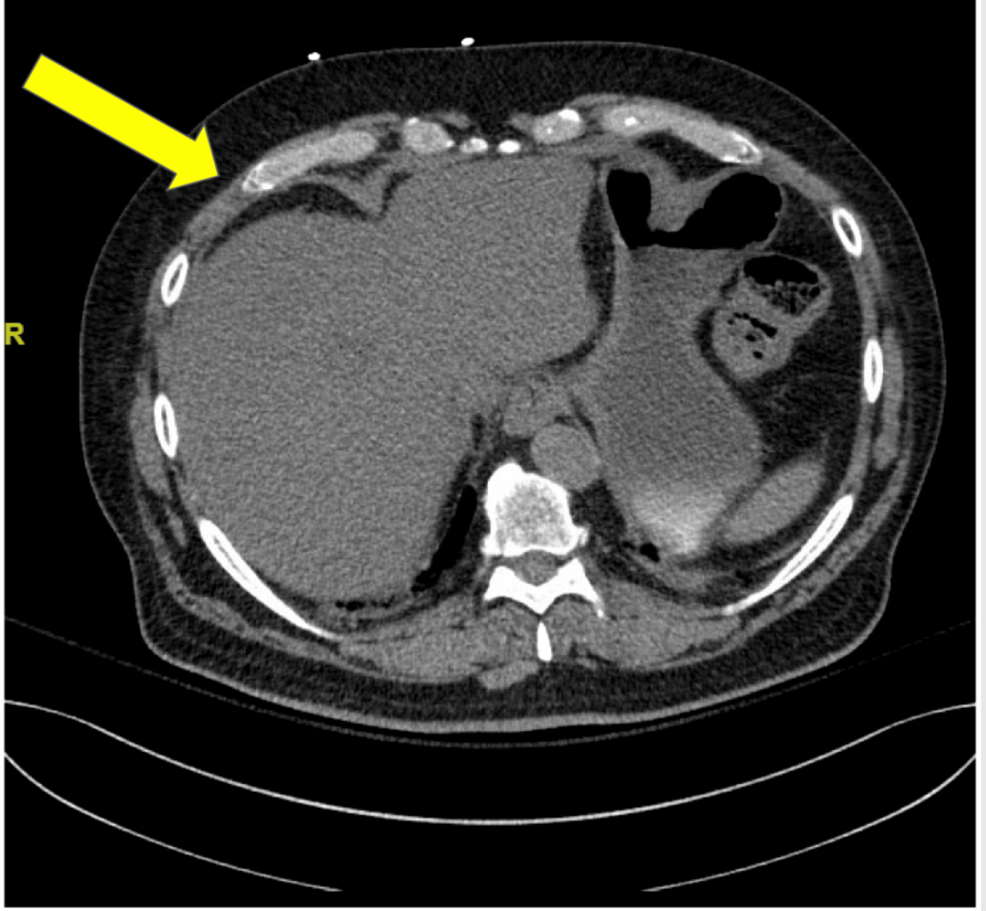
A 74-year-old male with no history of immunosuppression died from adenovirus-induced acute liver failure, according to a case study published in Cureus.
The patient’s rapid decline highlights the diagnostic challenges clinicians face when identifying atypical viral causes in unexplained liver failure cases.
The patient, who had a history of coronary artery disease with stents, hypertension, and chronic NSAID use, initially presented to an outside hospital with altered mental status after returning from a fishing trip in Oklahoma, Cureus reported. Within 24 hours of his arrival, he developed generalized myalgia, body shakes, and confusion.
He exhibited no initial upper respiratory symptoms or known sick contacts. Upon arrival at the emergency department, the patient was in critical condition. His vitals included a blood pressure of 67/42, a heart rate of 114, and an oxygen saturation of 90% on room air. His serum glucose was 43 mg/dL, which improved to 213 mg/dL following intravenous dextrose administration.
Echocardiogram Shows Normal Function Troponin Elevated
During the patient’s evaluation, a 2D complete transthoracic echocardiogram showed normal left ventricular systolic function with an ejection fraction of 55-60%. Laboratory testing revealed a high-sensitivity troponin level of 94 ng/L, which is considered abnormal and below the critical value threshold of >500 ng/L.
| Laboratory Parameter | Initial Hospital Value | Transplant Center Value |
|---|---|---|
| Aspartate Aminotransferase | >3000 U/L | 12,114 U/L |
| Alanine Aminotransferase | >2000 U/L | 9,894 U/L |
| Creatinine | 5.9 mg/dL | 6.8 mg/dL |
| INR | 3.8 | 4.1 |
The patient was transferred to a liver transplant center as his condition deteriorated, characterized by metabolic acidosis, respiratory failure, and acute metabolic encephalopathy. Despite intensive care, including continuous renal replacement therapy and broad-spectrum antibiotics, he was deemed ineligible for a transplant due to severe sepsis.
Disseminated adenovirus with hepatic involvement typically occurs in immunocompromised individuals, such as transplant recipients, but this case occurred in a patient without such a history.
The report said that adenovirus PCR testing was not performed during the patient’s hospitalization, complicating the identification of the pathogen until postmortem biopsy.
The findings from this case were previously presented as a meeting abstract at the 2026 Annual Critical Care Congress on March 24, 2026.
The authors emphasize the importance of considering atypical viral etiologies in cases of acute liver failure of unknown origin, as there are currently no established guidelines for antiviral therapy for this condition.