Case report: Phased robotic gait training for post-stroke hemiplegia
Approximately 80% of stroke patients with hemiplegia experience an impairment of their gait due to physical functional deficits, according to a clinical case report on robot-assisted rehabilitation strategies. These deficits—including unilateral motor paralysis, sensory abnormalities, and altered muscle tone—directly diminish activities of daily living and overall quality of life.
Key Clinical Takeaways:
- A 53-year-old male stroke patient underwent a phased robotic rehabilitation protocol utilizing both treadmill-driven and orthosis-mounted devices at our hospital.
- Treatment began on day 16 post-stroke using the Welwalk system to foster early walking independence without body-weight support.
- Interventions shifted on day 55 to the Orthobot system to correct residual stiff-knee gait and improve swing-phase knee flexion during overground walking.
Man Hospitalized for Right Lacunar Infarction
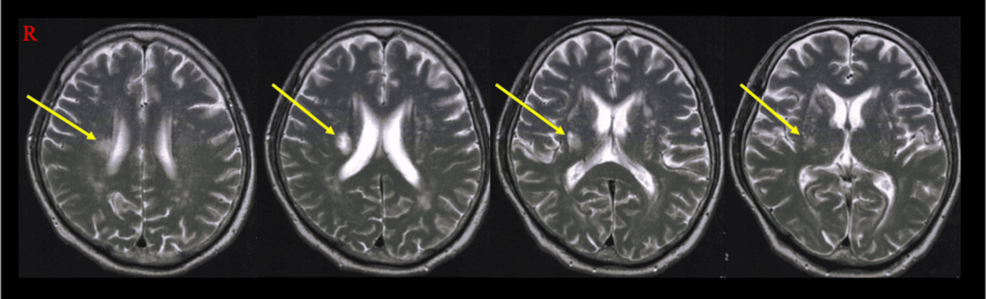
The patient, a 53-year-old man, experienced sudden left-sided weakness followed the next morning by worsening dysarthria, leading to his hospitalization for a suspected cerebral infarction. Magnetic resonance imaging revealed a right lacunar infarction involving the corona radiata and basal ganglia. Fourteen days after stroke onset, defined as day zero, the patient transferred to a continuing care hospital for intensive physical, occupational, and speech therapy.
Upon admission, the patient presented with moderate motor impairment in his left lower limb, recording Stroke Impairment Assessment Set lower-limb motor scores of 3 for hip flexion, 2 for knee extension, and 1 for foot-pat tests. Superficial and deep sensory scores registered at 3 and 2 respectively, while his baseline walking ability was limited to assisted ambulation with a Functional Ambulation Category score of 1 and a Functional Independence Measure motor score of 33.
Patient Begins Robotic Gait Training with Welwalk System
Physical therapy commenced on day 16 post-stroke, integrating conventional neuromuscular facilitation with robot-assisted gait training via the Welwalk system. This treadmill-driven device featured a robotic long-leg orthosis that delivered adjustable assistance for paretic-limb swing and knee extension. The patient completed 40-minute sessions at least five times per week under the supervision of trained physical therapists.
Initial training parameters on the Welwalk device included a swing assistance level of 2, a knee-extension assistance level of 7, a target knee-flexion angle of 40 degrees, a knee flexion-extension time of 0.86 seconds, and a treadmill speed of 0.5 kilometers per hour without body-weight support. Therapist assistance for weight shifting was required initially, but by day 7 of the robotic protocol, manual support was no longer necessary. The patient progressed to walking with a treadmill cane around day 10, while final settings adjusted to a swing assistance level of 1, a target knee-flexion angle of 60 degrees, and a treadmill speed of 1.8 kilometers per hour.
Overground Gait Correction via Orthosis-Mounted Systems
Following the early treadmill intervention, clinical focus pivoted toward addressing residual gait abnormalities such as stiff-knee gait, reduced toe clearance, and compensatory pelvic movements. From days 55 to 69 after stroke onset, clinicians introduced the Orthobot system, an electronically controlled robotic unit attached to a conventional knee-ankle-foot orthosis designed for overground walking.
This orthosis-mounted intervention specifically targeted knee motion during the swing phase, promoting repetitive motor learning to normalize lower-limb kinematics after independent walking parameters had been established. Throughout both robotic interventions, the patient maintained his cognitive improvements, with his Functional Independence Measure cognitive score shifting from 23 at admission to 35 at discharge.
Disclaimer: The information provided in this article is for educational and scientific communication purposes only and does not constitute medical advice. Always consult with a qualified healthcare provider regarding any medical condition, diagnosis, or treatment plan.