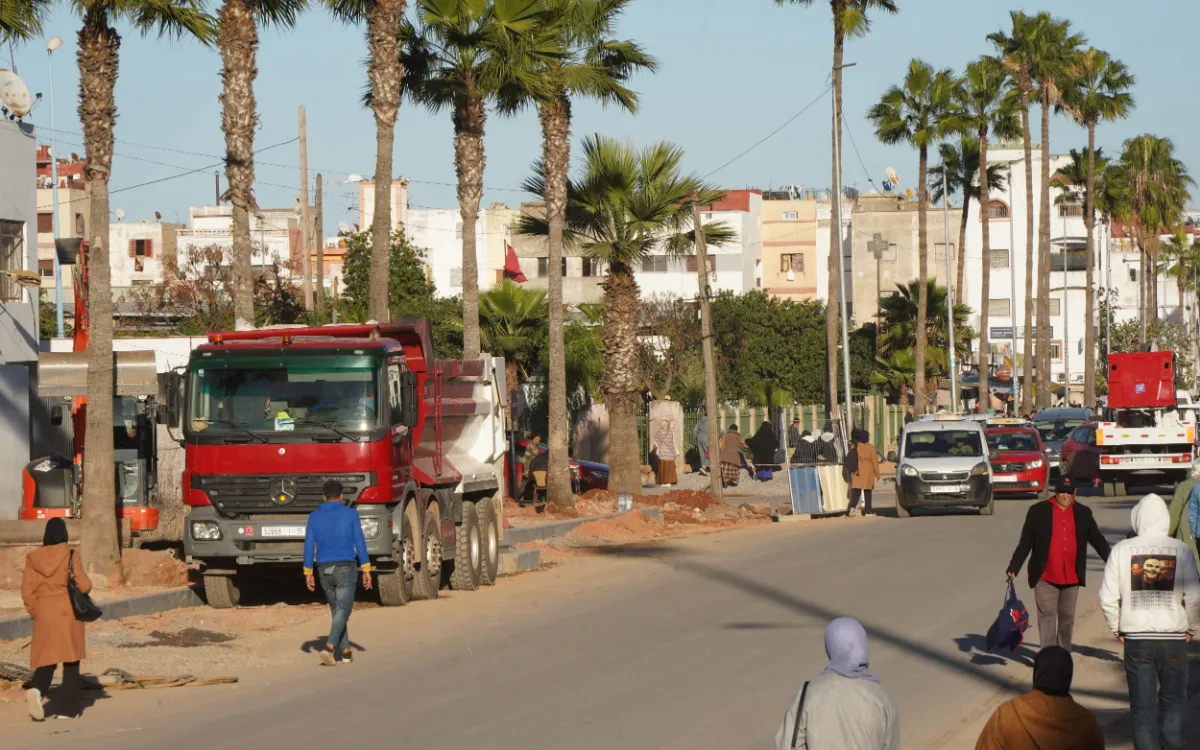
Casablanca: 1,000 Families Relocated, Others Still Waiting
Casablanca authorities have successfully relocated 1,000 families from precarious housing to standardized residential units, according to recent municipal reporting. While this marks a significant milestone in the city’s urban rehabilitation program, thousands of residents remain in deteriorating structures, highlighting a persistent gap in infrastructure capacity and housing demand.
The Scale of Urban Rehabilitation in Casablanca
The resettlement effort is part of a broader, multi-year strategy to mitigate the risks associated with aging, high-density residential zones. In Casablanca, where rapid urbanization has historically outpaced formal planning, many buildings—particularly in the old medina and surrounding industrial districts—have been classified as structurally unsound. According to municipal data, the transition of 1,000 households into modernized housing represents a strategic pivot toward eliminating “bidonvilles” and slum-like conditions that have plagued the city’s periphery for decades.
However, the displacement process is not merely a matter of moving residents; it involves complex legal negotiations regarding property rights, land tenure, and the financial viability of new developments. Families awaiting relocation often find themselves in a state of administrative limbo, caught between the demolition of their current homes and the availability of state-subsidized, high-density housing projects.
Infrastructure Challenges and the Policy Gap
Urban development in Morocco is governed by strict regulatory frameworks, including the Ministry of National Planning, Urbanism, Housing and City Policy, which dictates the standards for social housing. Despite these regulations, the pace of construction often lags behind the rate of structural decay. The primary challenge remains the cost of land acquisition in a city that is geographically constrained.

For those still waiting, the uncertainty is compounded by the lack of transparency in the selection process. “The administrative burden on families who have lived in these areas for generations is immense,” notes a local housing advocate. “Without clear timelines, residents are unable to plan their futures, and the risk of informal, unregulated construction in new areas remains a constant threat to urban stability.”
Navigating Property Rights and Relocation
When mass relocation projects occur, the legal landscape for both the displaced and the developers becomes increasingly complex. Property owners and tenants often require specialized assistance to ensure their rights are upheld during the transition. For those encountering difficulties with documentation or land title disputes, consulting with a [Property and Land Rights Attorney] is essential. These professionals provide the necessary oversight to ensure that compensation packages and housing allocations adhere to national legal standards.
Furthermore, the physical relocation of 1,000 families places an immediate strain on local utility infrastructure. As new housing complexes are populated, the demand for water, electricity, and waste management surges. Municipalities often rely on vetted [Urban Infrastructure Contractors] to scale these services rapidly. Failure to secure these services can lead to the very degradation that the relocation program was designed to solve.
The Socio-Economic Impact of Displacement
The social cost of moving thousands of people extends beyond the physical move. Relocation often separates families from their traditional economic hubs—the informal markets and small-scale businesses that sustain them. When residents are moved to the outskirts of Casablanca, they frequently face increased transportation costs and a loss of proximity to employment. Effective urban planning must integrate economic development zones into the design of new residential projects to ensure long-term sustainability.

| Category | Status |
|---|---|
| Families Relocated | 1,000 |
| Primary Goal | Elimination of precarious housing |
| Ongoing Challenge | Infrastructure scale and wait times |
The tension between rapid urban renewal and the rights of the individual continues to define the Casablanca housing narrative. As the city moves forward, the success of these programs will be measured not just by the number of units built, but by the social and economic integration of the families involved.
For residents and stakeholders navigating these systemic changes, access to reliable support services is the difference between a successful transition and long-term instability. Whether dealing with complex municipal zoning laws or the logistics of large-scale residential transfers, engaging with a [Professional Urban Planning Consultancy] can provide the clarity needed to mitigate risks and ensure compliance with evolving city policies.
The path forward for Casablanca requires a careful balance of speed and equity. As the city continues to address its housing deficit, the burden falls on both the state to provide transparent timelines and on the affected families to ensure their legal interests are protected. The process of urban transformation is rarely linear, and as this latest phase concludes, the focus must shift to the thousands still waiting for a secure, stable future.