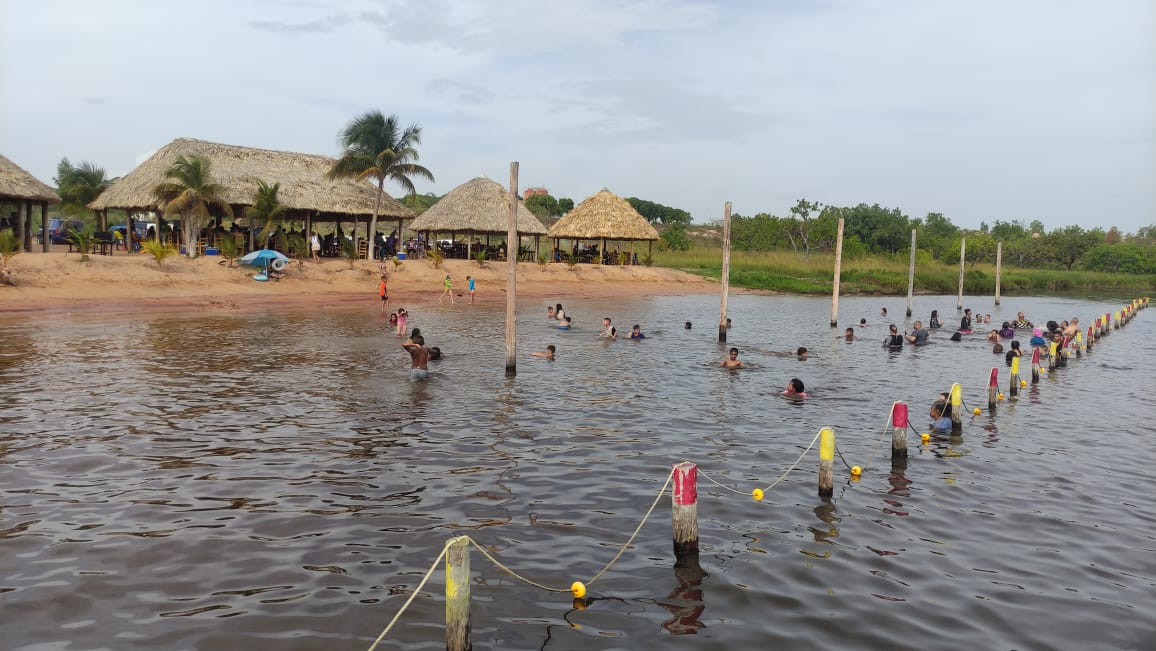
Caroní Resort Owners Anticipate Holy Week
Balneario owners in the Caroní municipality are preparing for the 2026 Holy Week rush, balancing high visitor expectations with heavy municipal tax burdens. While 30 sites are officially approved for public use, entrepreneurs face steep fees on rentals and liquor to sustain their seasonal operations.
For the operators of the river-side resorts and tourist stops in Caroní, the arrival of Holy Week is not merely a holiday; It’s a financial lifeline. Along with the Carnival season, this period represents one of only two annual windows where these businesses can generate enough revenue to offset the grueling costs of year-round facility maintenance. The stakes are high, and the pressure is mounting.
It is a precarious balancing act.
While the anticipation of massive crowds brings hope, it is heavily tempered by a growing frustration with the local fiscal environment. The effort required to maintain these recreational areas is described by those on the ground as “too hard,” a sentiment that clashes sharply with the immediate financial demands imposed by the local government.
The Cost of Doing Business in Caroní
The optimism surrounding the 2026 season has been “clouded” by the weight of municipal obligations. For many proprietors, the cost of obtaining the legal right to operate during the holiday is becoming a barrier to actual profitability. The financial squeeze comes from multiple directions: municipal taxes, national agency permits, and specific levies on service offerings.
The current tax structure for this holiday period includes a 10% charge on the rental value of huts (chozas) and a 6% tax on the sale of alcoholic beverages. Beyond these percentage-based fees, operators have had to pay up to 45 euros for temporary permits covering a mere three days of operation.
This fiscal pressure creates a volatile environment for small business owners. When the cost of compliance eats into the thin margins of a seasonal business, the risk of operational failure increases. To navigate these complex municipal requirements and avoid costly penalties, many entrepreneurs are turning to professional tax consultants to ensure their filings are accurate and their liabilities are minimized.
“The optimism for this season is clouded by the concern over the tax obligations established for this holiday.”
The Municipal Seal of Approval: Who is Open?
Safety and environmental compliance are the primary drivers behind the municipal “approved” list. The municipality, acting through the Secretary of Economic Management and the Direction of Tourism and Recreation, has implemented a rigorous system of technical and environmental inspections to determine which sites are fit for public use.
For the 2026 season, 30 balnearios have been certified as apt. However, the safety net is not universal; seven spaces have been declared unfit and are strictly restricted for bathing.
The distribution of these approved sites is concentrated in two primary tourist hubs: the Eje Atlántico and the Eje Caruachi.
The Eje Atlántico Breakdown
Located in the Unare parish, the Eje Atlántico remains the region’s premier tourist attraction. The municipality has segmented this area into five distinct sectors to manage flow and safety:
- Sector I: Nine enabled spaces, including San Isidro, Balneario La Familia, Toto Beach, and the Grandiosa Muralla Recreational Center.
- Sector II: Five authorized points, notably Agrotour Río Grande C.A. And Mi Bohío Bello.
- Sector III: Three operational camps, including Tierra Nueva C.A. And Playa Bonita.
- Sector IV: Two enabled balnearios, Playa Dorada and Los Morichales (ULA ULA).
- Sector V (Piedra del Elefante): Six agrotourism funds approved for recreational use.
Maintaining these standards is a constant struggle. To keep up with the “rigorous inspections” mentioned by authorities, owners often require specialized infrastructure contractors to upgrade facilities and ensure environmental safety protocols are met before the inspectors arrive.
The Eje Caruachi Options
In the Pozo Verde parish, the Eje Caruachi offers a more streamlined selection of five certified options. These include the La Gomera and El Tesoro Escondido camps, as well as the Cañafístola Tourist Center, Jardines de Belkis, and La Gracia de Dios.
The Danger Zones: Restricted Access
The municipality has not hesitated to shut down sites that fail to meet safety benchmarks. The restriction of seven balnearios is a calculated move to safeguard the physical integrity of the visiting public. In the Eje Atlántico’s Sector I, specifically, Rancho Alegre and Fundo Celestino have been denied authorization to operate.
These closures serve as a warning to other operators. The transition from an “apt” to a “restricted” status can happen quickly if technical or environmental standards slip. For those operating on the edge of compliance, securing a certified safety auditor is no longer a luxury but a necessity to prevent a total shutdown during their most profitable window of the year.
The tension here is clear: the government demands high standards and high taxes, while the business owners struggle with the physical and financial exhaustion of maintaining those very standards.
For more detailed information on the official listings, visitors can refer to the announcements made via the Alcaldía de Caroní’s official updates or the detailed reports from Nueva Prensa Digital.
A Fragile Economic Cycle
The reliance on the “two-peak” economy—Carnival and Holy Week—leaves the Caroní tourism sector vulnerable. When a business depends on a handful of days to recover an entire year’s worth of investment in maintenance and infrastructure, any disruption, whether it be a sudden tax hike or a failed safety inspection, can be catastrophic.
The current situation in Caroní is a microcosm of a larger struggle: the fight to keep local tourism viable in the face of aggressive municipal taxation. The “too hard” work of these proprietors is the invisible engine driving the regional economy, yet they feel increasingly unsupported by the regulatory bodies that oversee them.
As the crowds arrive for the 2026 asueto, the success of the season will not be measured solely by the number of visitors, but by whether the owners can actually keep their businesses afloat after the government takes its share. The long-term sustainability of the Eje Atlántico and Eje Caruachi depends on a balance between safety and solvency.
For those navigating the complexities of municipal permits and the daunting task of facility certification, finding verified professionals is the only way to ensure a business doesn’t end up on the restricted list. The World Today News Directory remains the primary resource for locating the legal and technical experts capable of shielding local entrepreneurs from these operational pitfalls.