
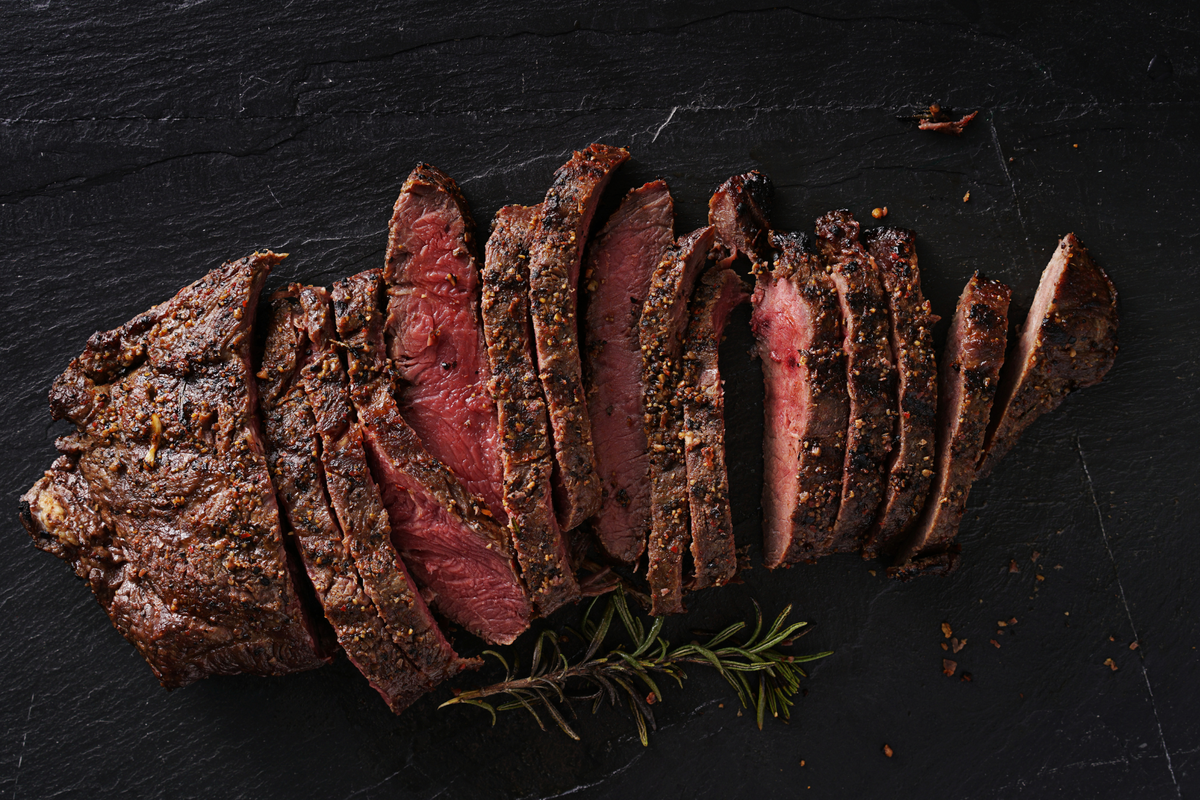
The carnivore diet, an extreme eating plan restricting intake to animal products, is gaining traction despite warnings from health experts about potential long-term risks. A recent review by the University of Applied Sciences Muenster offers a nuanced look at the diet’s short-term benefits and significant potential drawbacks, finding that while some individuals report improvements in certain health markers, the diet is not recommended as a sustainable, healthy lifestyle.
The carnivore diet represents the most restrictive iteration of low-carbohydrate eating, surpassing even the ketogenic diet. While keto typically allows for some plant-based foods, the carnivore diet eliminates all fruits, vegetables, and grains. The most austere version, known as the Lion Diet, consists solely of red meat, water, and salt.
The Muenster review found that individuals adhering to the carnivore diet often report positive short-term effects, including weight loss and reduced hunger. This is attributed to the high protein and fat content, which promotes satiety and induces ketosis, a metabolic state where the body burns fat for energy. Some individuals with chronic inflammatory bowel diseases (IBD) or other inflammatory conditions have likewise reported symptom relief, potentially due to the elimination of “antinutrients” like lectins and phytates found in plants, which can be problematic for some.
Interestingly, the review also noted improvements in blood sugar levels (HbA1c) and triglyceride levels in individuals with pre-existing metabolic diseases. However, these benefits are overshadowed by significant nutritional deficiencies and potential health risks associated with long-term adherence.
The most pressing concern highlighted by the researchers is the lack of essential vitamins and minerals. A diet exclusively composed of meat is almost certain to result in deficiencies of vitamin C, vitamin E, folate, magnesium, and iodine. The absence of vitamin C, crucial for immune function and connective tissue health, is particularly concerning. The diet can lead to a substantial increase in LDL cholesterol – often referred to as “awful” cholesterol – and total cholesterol levels, potentially elevating the risk of cardiovascular disease.
The impact on gut health is also a major concern. With less than one gram of fiber per day – far below the recommended 25-30 grams – the gut microbiome suffers. The beneficial bacteria in the gut rely on fiber as a food source, and their depletion can compromise the integrity of the intestinal barrier.
The Muenster review also emphasized the importance of meat source. Participants who consumed meat from grass-fed animals exhibited a more favorable omega-3 fatty acid profile. The inclusion of organ meats, such as liver, can help mitigate some vitamin deficiencies, although researchers caution against excessive vitamin A intake from retinol.
the University of Applied Sciences Muenster researchers conclude that the carnivore diet is not a viable long-term health strategy. While it may offer temporary relief for individuals with specific health conditions, the risks of heart disease and severe nutritional deficiencies outweigh any potential benefits. The lack of antioxidants and fiber contributes to a situation where the body essentially depletes its own resources over time.
The researchers suggest that individuals struggling with their current dietary patterns should consider less extreme approaches, such as eliminating processed foods and sugars, before resorting to a diet that eliminates entire food groups.
