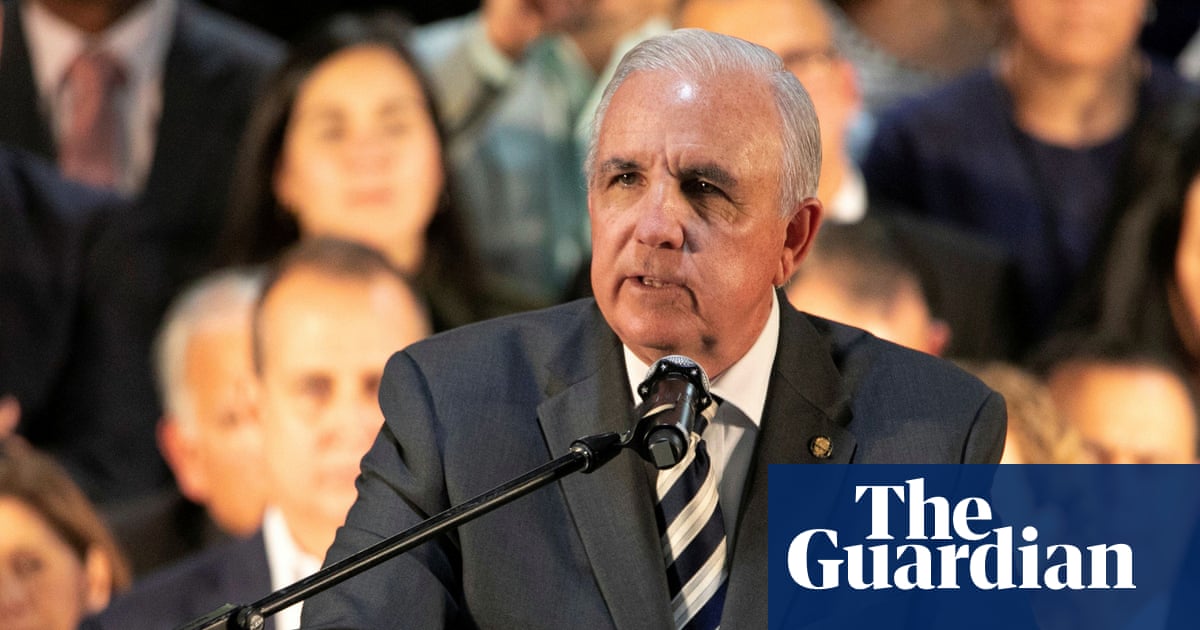
Carlos Giménez Calls Haiti a Failed State and Opposes Ending TPS for Migrants
Florida Republican Representative Carlos Giménez has publicly challenged the current administration’s push to terminate Temporary Protected Status (TPS) for approximately 350,000 Haitian migrants. Citing the volatility of the Caribbean nation, Giménez argued that ending these protections would be a “huge mistake,” breaking with party leadership following recent judicial developments.
The Legislative Conflict Over Haitian TPS
The debate centers on the legal status of thousands of Haitian nationals currently residing in the United States under TPS, a designation granted to individuals from countries experiencing ongoing armed conflict, environmental disaster, or other extraordinary conditions. As of July 5, 2026, the potential expiration of these protections has created significant uncertainty for both migrants and the communities that host them.

Representative Giménez, a Cuban-American representing Florida’s 28th district, issued his dissent following a Supreme Court ruling that affirmed the executive branch’s authority to rescind such protections. According to the congressman, the current state of Haiti—which he explicitly characterized as a “failed state”—precludes the safe return of its citizens. The congressman’s stance underscores a growing tension between immigration hardliners and regional representatives who manage the socio-economic realities of large migrant populations in South Florida.
This policy friction is not occurring in a vacuum. The legal landscape for TPS recipients is governed by the U.S. Citizenship and Immigration Services (USCIS), which maintains the regulatory framework for processing these statuses. For families and business owners affected by these shifting mandates, the complexity of maintaining legal residency often necessitates professional counsel. Those seeking to understand their current standing or pursue alternative pathways frequently reach out to specialized immigration law firms to mitigate the risk of sudden status loss.
Regional Economic and Social Impacts
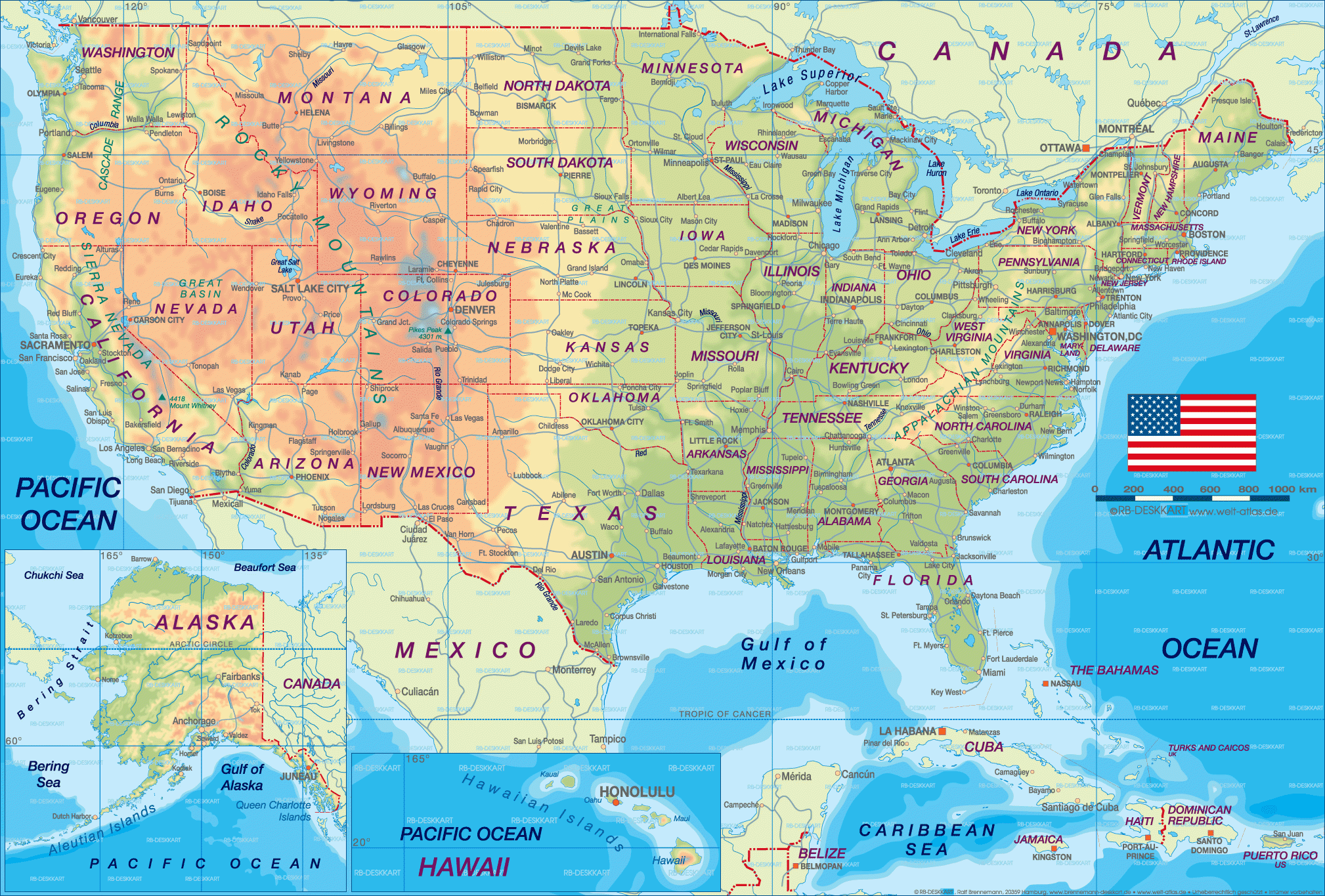
Florida, and particularly the Miami-Dade area, acts as the primary hub for the Haitian diaspora in the United States. The potential mass deportation of 350,000 individuals would represent a significant contraction of the local workforce. Industries ranging from construction and hospitality to healthcare rely heavily on this segment of the labor market.
The economic impact of such a policy shift extends beyond the migrants themselves. Municipal infrastructure, already struggling with the demands of a growing population, could face acute labor shortages if large numbers of workers are removed. Local leaders are increasingly concerned about the potential for social displacement and the strain on public services. When local regulations become this volatile, businesses often turn to professional risk management consultants to navigate the potential loss of personnel and the resulting supply chain disruptions.
“The logistical reality of processing hundreds of thousands of individuals is an administrative challenge that the current system is ill-equipped to handle,” noted a source familiar with regional immigration policy. The lack of infrastructure to support such a transition suggests that the debate will likely persist well beyond the current legislative session.
Legal Precedents and Administrative Authority
The Supreme Court’s recent decision serves as the cornerstone for the administration’s current posture. By granting the executive branch broader latitude in determining when a country is “safe” for repatriation, the court has shifted the burden of proof onto those currently holding protected status.

For those currently under TPS, the legal environment is increasingly adversarial. The Executive Office for Immigration Review (EOIR) continues to process cases under the assumption that existing protections are temporary and subject to executive discretion. This dynamic requires individuals to remain in constant contact with legal representatives to ensure that any changes in federal policy are met with proactive legal defenses.
The complexity of these proceedings often requires more than just standard legal aid. Many families are looking for community legal assistance organizations that specialize in complex administrative appeals. These groups provide the necessary bridge between individual migrants and the broader, often impenetrable, federal court system.
Looking Ahead: The Persistence of Uncertainty
As the administration weighs its next steps, the political divide within the Republican party regarding immigration policy appears to be widening. While some factions advocate for a strict adherence to the Supreme Court’s ruling, others, like Giménez, are warning of the humanitarian and economic fallout of such a hardline approach.
The situation remains fluid. With federal authorities maintaining the power to trigger mass status expiration, the ability of affected individuals to plan for their future is effectively paralyzed. For the 350,000 Haitians currently in the U.S., the coming months will be defined by the tension between judicial mandates and political reality.
The long-term success of any resolution will depend on the administrative capacity of the federal government to manage the fallout. Whether through legislative intervention or continued judicial challenges, the status of these individuals remains the most significant variable in the regional stability of South Florida. The question remains: can the current administration balance its stated goals of strict immigration enforcement with the economic and humanitarian realities that local representatives are now openly identifying?