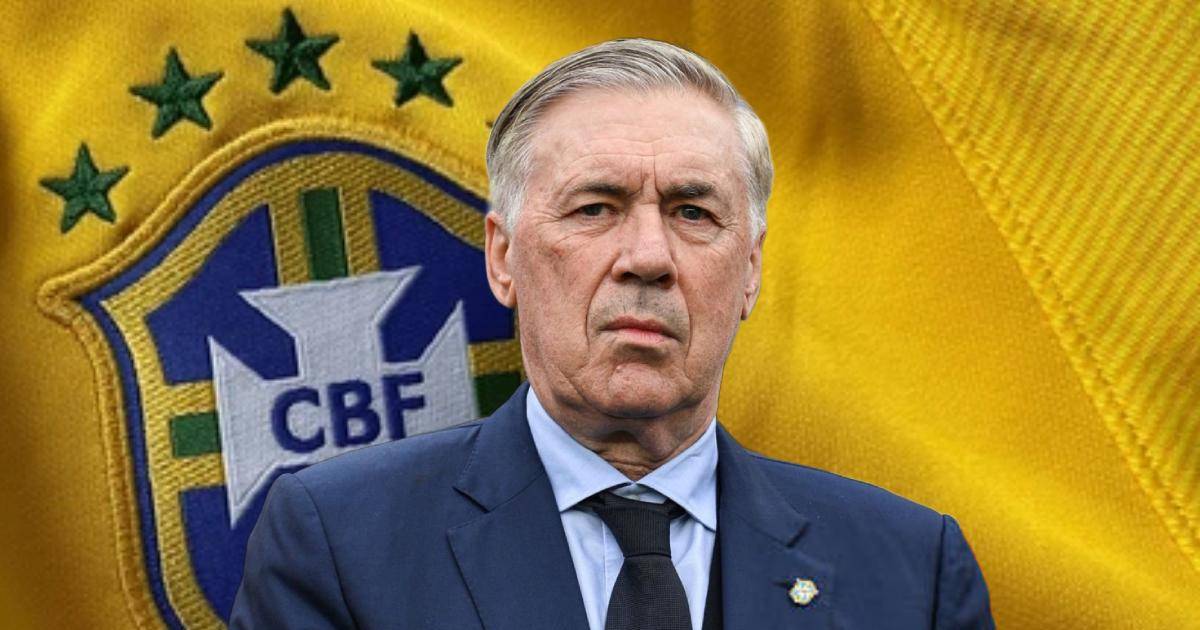
Carlo Ancelotti to Coach Brazil Until 2030 on Record Salary
Brazil’s CBF has reached an agreement to extend Carlo Ancelotti’s contract as head coach until the 2030 World Cup. The deal maintains his record-breaking €10 million annual salary, securing tactical continuity ahead of the 2026 tournament to pursue a sixth world title through a long-term strategic project.
The boardroom maneuvers within the Confederação Brasileira de Futebol (CBF) signal a desperate desire for stability in a landscape often defined by volatility. By locking in Carlo Ancelotti through 2030, the CBF isn’t just hiring a coach; they are purchasing a brand of elite European pedigree designed to bridge the gap between raw talent and trophy-winning efficiency. This move transforms the managerial role from a short-term appointment into a decade-defining project, shifting the pressure from immediate results to a structured, long-term periodization of the squad’s development.
The Financial Architecture of a Record-Breaking Deal
From a business perspective, the numbers attached to Ancelotti’s tenure are unprecedented in the history of the “Canarinha.” The Italian strategist has secured a salary of €10 million per year (approximately R$ 59.3 million), a figure that establishes him as the highest-paid manager to ever lead the Brazilian national team. This financial commitment was first established in May 2025 and remains unchanged in the new four-year extension.
The CBF views this expenditure not as a cost, but as a strategic investment in technical certainty. While the current contract is technically valid until late July 2026, the move to extend now—before the 2026 World Cup has even kicked off—removes the distraction of contract negotiations during the tournament. The transition is currently being handled as a “mere administrative formality,” with the final signatures expected in the coming days following a final review by the coach’s legal team.
| Contract Element | Previous Terms (May 2025) | Renewed Terms (2026-2030) |
|---|---|---|
| Annual Salary | €10 Million | €10 Million |
| Contract Expiry | July 2026 | World Cup 2030 |
| Primary Objective | 2026 World Cup Qualification/Play | Long-term “Hexacampeonato” Project |
| Status | Active | Awaiting Final Signature |
For the CBF, the risk of this high-cap hit is mitigated by Ancelotti’s global standing. However, the complexity of these high-value international agreements often requires specialized oversight. When the stakes involve tens of millions of euros and national prestige, the reliance on elite sports contract lawyers becomes mandatory to navigate the jurisdictional nuances between European labor laws and Brazilian sporting regulations.
Tactical Ledger and the Road to 2030
The decision to extend Ancelotti’s stay comes despite a mixed statistical start. In 10 matches at the helm, the Italian has recorded 5 wins, 2 draws, and 3 losses. While a 50% win rate might seem pedestrian for a team of Brazil’s stature, the CBF is prioritizing the process over the immediate win-loss column. The focus is on tactical continuity and the implementation of a system that can withstand the pressures of a knockout tournament.
Recent activity in the United States—specifically friendly matches in Winslow and Orlando—served as the backdrop for these negotiations. During the March FIFA window, Brazil faced a mixed bag of results, suffering a loss to France but securing a victory over Croatia. These matches provided more than just tactical data; they provided the physical space for CBF President Samir Xaud and Ancelotti to finalize the verbal agreement.
“The CBF has no problems renewing, and I have no problems either. When we have something that we desire to continue, I believe there is no problem.”
This quote from Ancelotti, delivered during a March 16 press conference, underscores a rare alignment of interests. The coach is not merely filling a seat; he is integrating into a project that views the 2026, 2028, and 2030 cycles as a single, cohesive trajectory. This approach to load management and squad rotation over several years is a hallmark of Ancelotti’s methodology, moving away from the “tournament-by-tournament” panic that has plagued previous administrations.
Local Economic Ripple Effects and Infrastructure
The strategic decision to conduct key preparatory matches and negotiations in the United States highlights the growing intersection of Brazilian football and the North American market. As the 2026 World Cup approaches, the presence of the world’s most famous national team in cities like Orlando creates a massive logistical vacuum. The influx of high-net-worth supporters and corporate sponsors requires a sophisticated infrastructure that goes beyond the pitch.

The demand for luxury housing, secure transport, and high-finish corporate hosting during these FIFA windows has forced the CBF to lean on premium hospitality vendors to manage the overflow. This “halo effect” of Ancelotti’s presence extends the economic impact of the team far beyond the stadium, stimulating regional broadcast revenues and luxury tourism in the host cities.
the long-term nature of the 2030 project means Brazil is now operating on a timeline that mirrors a corporate five-year plan. This stability allows for better coordination with sponsors and a more predictable calendar for the players, who can now align their club careers with a known national team trajectory.
The Verdict: A High-Stakes Gamble on Pedigree
By securing Ancelotti until 2030, Brazil is betting that tactical sophistication and a calm hand can break a 20-year drought of world titles. The financial cost is steep, and the initial results are modest, but the objective is the “hexacampeonato”—the sixth star. The CBF has effectively removed the “managerial carousel” from their equation, opting instead for a steady, expensive, and experienced guide.
Whether this long-term commitment pays off depends on the Italian’s ability to evolve the squad’s tactical flexibility before the 2026 kickoff. For those following the business of sport, this deal serves as a blueprint for how national federations are beginning to mirror the long-term stability of elite European clubs.
As the sporting world prepares for the upcoming World Cup cycle, the need for vetted professional support—from medical specialists to legal experts—remains paramount. Whether you are a professional athlete or a sports executive, finding the right partners is the only way to ensure a project of this magnitude succeeds. Explore the World Today News Directory to connect with the industry’s leading professionals.
Disclaimer: The insights provided in this article are for informational and entertainment purposes only and do not constitute medical advice or sports betting recommendations.