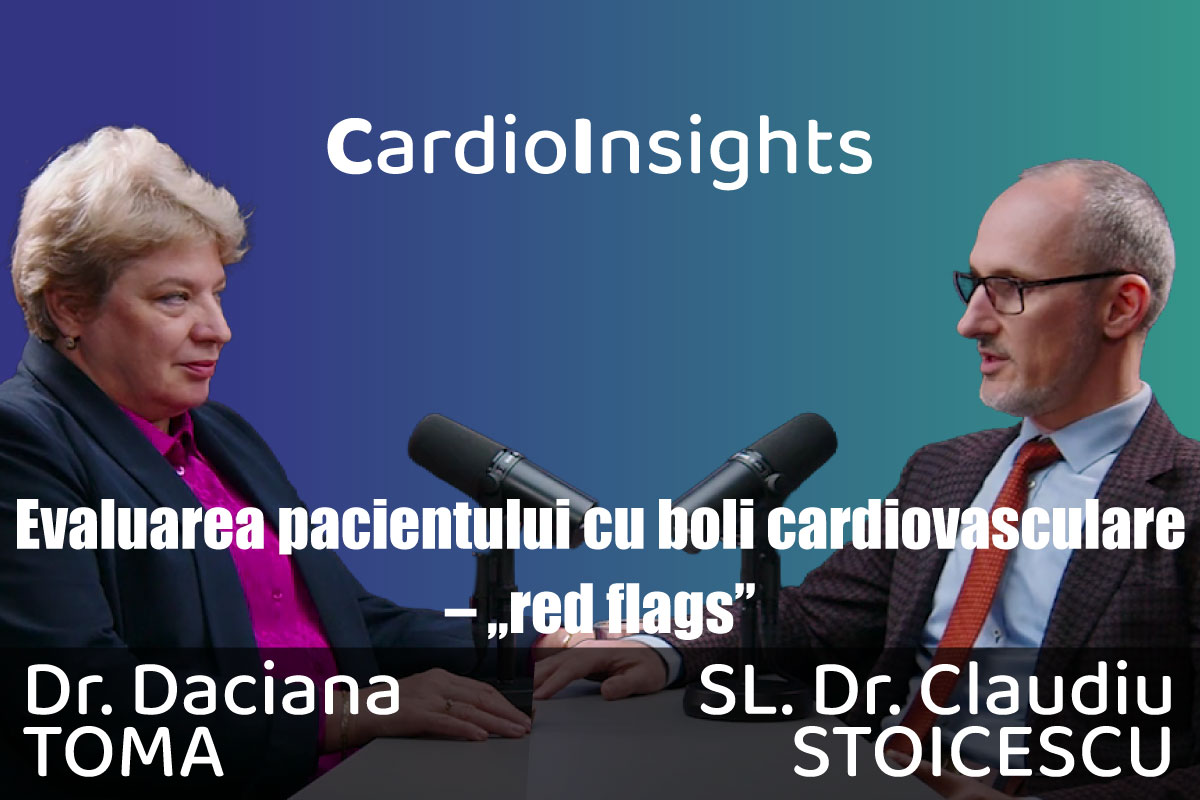
Cardiovascular Evaluation of 40+ Patients: Identifying Red Flags
Cardiovascular assessment for patients aged 40 and older requires the immediate identification of “red flags” to prevent acute myocardial infarction and stroke, according to clinical guidance detailed by Formare Medicala. Early detection of asymptomatic hypertension, dyslipidemia, and glycemic instability serves as the primary defense against sudden cardiac events in this demographic.
- Priority Screening: Immediate focus on blood pressure, lipid profiles, and fasting glucose for all patients entering the 40+ bracket.
- Red Flag Identification: Recognition of atypical chest pain and exertional dyspnea as critical indicators of underlying ischemia.
- Preventative Triage: Integration of risk calculators to determine the necessity of pharmacological intervention versus lifestyle modification.
The transition into the fifth decade of life marks a significant shift in cardiovascular pathogenesis. For many patients, the onset of atherosclerosis is silent, progressing without overt symptoms until a critical stenosis occurs. This clinical gap often leads to delayed diagnosis, where the first presentation of cardiovascular disease is a catastrophic event. According to the World Health Organization, cardiovascular diseases are the leading cause of death globally, with a substantial portion of these deaths being preventable through early intervention and risk factor management.
Physicians must differentiate between benign age-related changes and genuine clinical warnings. The “red flags” highlighted by Formare Medicala emphasize that not all cardiac distress manifests as classic substernal pressure. In women and diabetic patients, ischemia often presents as atypical fatigue or nausea, increasing the risk of misdiagnosis. This necessitates a high index of suspicion and a rigorous application of the standard of care during routine check-ups.
How do clinicians identify high-risk cardiovascular “red flags” in patients over 40?
Effective screening begins with the identification of subtle physiological shifts. Clinicians are urged to look beyond the patient’s self-reported health and focus on objective biomarkers. Persistent hypertension, even at mild levels, contributes to left ventricular hypertrophy and increased arterial stiffness. When combined with dyslipidemia—specifically elevated LDL-C and triglycerides—the risk of plaque rupture increases significantly.

According to the PubMed database and various longitudinal studies on coronary artery disease, the synergy between metabolic syndrome and age creates a compounding effect on morbidity. The pathogenesis involves chronic inflammation of the endothelium, which facilitates the accumulation of lipids within the arterial wall. For patients presenting with these markers, immediate referral to [Relevant Cardiology Specialist/Diagnostic Center] is essential to perform a baseline echocardiogram or stress test to assess current cardiac function.
“The goal of the 40+ assessment is not merely to treat existing disease, but to predict and prevent the first event. We must treat the risk factor before it becomes a clinical emergency.”
What is the role of risk calculators and diagnostic imaging in early detection?
Relying on a single biomarker is often insufficient for an accurate prognosis. Modern clinical practice utilizes multi-variable risk calculators, such as the SCORE2 or the ASCVD Risk Estimator, to determine a patient’s 10-year probability of a major adverse cardiovascular event (MACE). These tools allow physicians to categorize patients into low, moderate, or high-risk cohorts, dictating the aggressiveness of statin therapy or antihypertensive regimens.

In cases where risk calculators yield borderline results, advanced imaging provides a definitive answer. Coronary Artery Calcium (CAC) scoring via non-contrast CT has emerged as a powerful tool for reclassifying risk. A score of zero often allows for a more conservative approach, while high scores necessitate aggressive lipid-lowering therapy to stabilize existing plaques. Because these diagnostics require specialized equipment, patients are often directed to [Relevant Imaging Center/Diagnostic Clinic] for precise quantification of arterial calcification.
The funding for much of the research into these predictive markers comes from large-scale public health initiatives and university-led grants, ensuring that the data remains independent of pharmaceutical influence. By adhering to the latest JAMA guidelines, providers can avoid the pitfalls of over-treatment while ensuring that high-risk individuals receive life-saving interventions.
Why is the “silent” nature of cardiovascular disease a regulatory and clinical hurdle?
The primary hurdle in cardiovascular care is the asymptomatic window. Patients often feel healthy while their arterial health declines, leading to low compliance with preventative medications. This gap creates a systemic challenge for healthcare providers who must balance the urgency of intervention with the patient’s perceived lack of illness. From a regulatory standpoint, ensuring that all primary care clinics have the tools for accurate screening is a matter of public health infrastructure.
When a patient is identified as high-risk, the transition from primary care to specialized management must be seamless. For those requiring complex pharmacological management or surgical intervention, such as angioplasty, consulting with board-certified cardiologists is the only way to ensure adherence to the latest evidence-based protocols. Furthermore, for clinics looking to update their screening hardware to meet new standards, partnering with [Relevant Medical Equipment Provider/Compliance Consultant] ensures that diagnostic outputs meet international accuracy benchmarks.

The future of cardiovascular assessment is moving toward precision medicine, utilizing polygenic risk scores to identify predispositions long before the age of 40. By combining genetic data with traditional “red flag” monitoring, the medical community can shift from a reactive model to a truly preventative one. This trajectory suggests that the standard of care will soon include personalized lipid targets based on an individual’s unique biological profile, further reducing the global burden of heart disease.
Disclaimer: The information provided in this article is for educational and scientific communication purposes only and does not constitute medical advice. Always consult with a qualified healthcare provider regarding any medical condition, diagnosis, or treatment plan.