
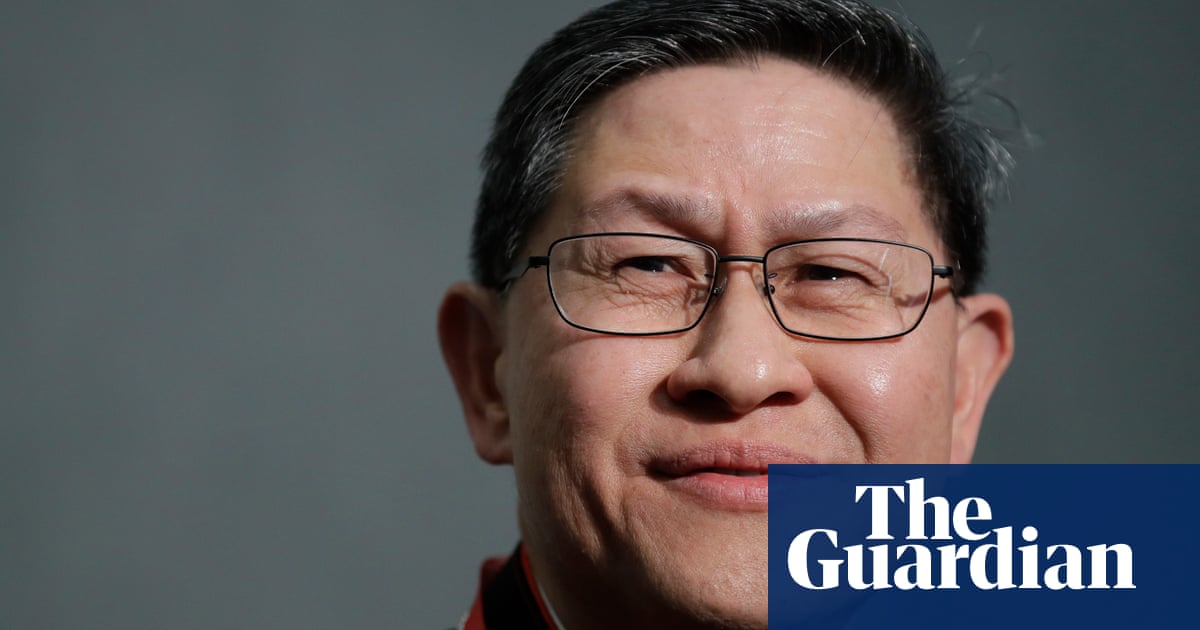
Cardinal Tagle: The “Karaoke Priest” and Potential Papal Successor
Cardinal Luis Antonio tagle of the Philippines, affectionately known as “Chito,” is emerging as a prominent figure in discussions about the future leadership of the Catholic Church. Despite his humble demeanor and self-effacing humor, Tagle is considered by many too be a potential successor to pope Francis. His appointment would mark a historic moment, making him the first Asian pope in modern times.
Did You Know?
The term “pope” comes from the latin word “papa,” wich means “father.” The pope is the Bishop of Rome and the leader of the worldwide Catholic Church.
In 2015, when asked about the possibility of becoming pope, Tagle responded with characteristic modesty: I make a public confession here. I cannot even manage my life. How can I imagine a worldwide community?
The “Asian Francis”: A Progressive Voice
Tagle has earned the moniker “Asian Francis” due to his progressive views and commitment to a simple lifestyle. He has voiced concerns about the harsh
treatment of single mothers,LGBTQ+ individuals,and divorced people. During his time as bishop of Imus, a city near Manila, he was known for riding jeepneys, the philippines’ ubiquitous public minivans, and inviting the poor to share meals with him.
A Priest of the People: Karaoke and Connection
Cardinal Tagle’s approachable and unpretentious nature extends beyond his social advocacy. He is a passionate fan of singing and dancing, and videos of him on TikTok have gained widespread popularity, especially in the Philippines, where karaoke is a beloved national pastime.
Michael Xiao Chua, a historian at De La Salle university, describes Tagle’s unique appeal:
When he speaks and gives lectures he’s not the usual, formal priest. He sings.He’s a Filipino. He is a karaoke priest.
Michael Xiao Chua,Historian at De La Salle University
Chua further notes Tagle’s off the cuff
style and describes him as a rock star
after mass,noting the long queues of people eager to greet him.
From Imus to the Vatican: A Life of Service
Born in Imus, near Metro Manila, the 67-year-old Tagle comes from humble beginnings.His parents, devout Catholics, worked in a bank. Mary John Mananzan, a missionary benedictine sister who has known Tagle for decades, describes his family as very simple – not poor but not rich.
Initially aspiring to become a doctor, Tagle entered the seminary after a priest encouraged him to apply. He earned a doctorate from the Catholic University of America and subsequently served as Bishop of Imus and Archbishop of Manila. In 2012,Pope Benedict XVI elevated him to the position of cardinal.
Controversies and Criticisms
Tagle’s rise within the Catholic Church has not been without challenges. He served as president of Caritas Internationalis from 2015 to 2022, a period that ended with the removal of the leadership team due to concerns about mismanagement. While tagle was not implicated in day-to-day operations, the situation raised questions about oversight within the organization. At the time Tagle said the decision did not relate to allegations of sexual abuse or mismanagement of money.
In March, the Survivors Network of those Abused by Priests (SNAP) called for an investigation into Tagle and five other cardinals regarding the handling of alleged child abuse cases by Caritas Internationalis in New zealand and the Central African Republic. Tagle has not publicly addressed these calls.
Critics, such as Anne Barrett Doyle, co-director of BishopAccountability.org, argue that Tagle has not done enough to combat sexual abuse within the Church. Doyle stated that the Church in the Philippines is in the dark ages
on the issue, citing the lack of published guidelines on dealing with allegations on the websites of the manila archdiocese and the Bishops’ Conference of the Philippines. If Cardinal Tagle cannot even get his brother bishops from his home country to publish guidelines. What on earth can we expect for him to achieve as pope of a global church?
she questioned.
Pro Tip
understanding the structure of the Catholic Church is crucial for interpreting news about its leaders. The Pope is the head of the Church, followed by Cardinals, archbishops, bishops, and Priests.
However, the Catholic Bishops Conference of the Philippines defended Tagle, asserting that during his tenures as bishop of Imus and archbishop of Manila, he actively participated in the advancement and implementation
of guidelines on handling sexual abuse cases. The conference emphasized that Tagle no longer holds direct authority over any diocese in the Philippines
and has consistently advocated for a humble and responsive Church that listens to the cries of the wounded and acts decisively to protect the vulnerable.
Duterte’s Drug War and the Church’s Response
In the Philippines, Tagle has faced criticism for his perceived slow response to former President Rodrigo Duterte’s controversial war on drugs. The crackdowns, which began in June 2016, resulted in the deaths of as many as 30,000 people, many of whom were young men killed in the streets.
In 2017, Tagle issued a pastoral letter criticizing the killings, stating: We cannot govern the nation by killing. We cannot foster a humane and decent Filipino culture by killing.
However, some argue that he should have spoken out more forcefully and sooner.
Mananzan explained Tagle’s approach, stating that he was not the condemning type.
She acknowledged that He had very strong statements about the extrajudicial killings… But he never [talked] about Duterte as a person.
Positions on Social Issues
Tagle opposed the passage of the Reproductive Health Bill in the Philippines, which provided free contraceptives and family planning data. He also opposes abortion rights.
A pope from the Peripheries?
Tagle’s appointment as pope would be met with widespread celebration in the Philippines, where 80% of the population identifies as Catholic. Historian Xiao Chua emphasizes the significance of such a move, noting that the Philippines, despite its long history with the Catholic Church, has frequently enough felt marginalized.
Chua views Pope Francis’s election as the first non-european pope in centuries as part of a trend that should continue. We need [another] pope from the peripheries.
he stated.
