Carbimazole-Induced Agranulocytosis with Intracranial Hemorrhage and Multidrug-Resistant Infection: A Case Report
Researchers have documented a rare and complex case in which a 56-year-old male developed agranulocytosis, a serious blood disorder, as a side effect of his carbimazole medication for hyperthyroidism.
The condition led to a life-threatening intracranial hemorrhage and a subsequent multidrug-resistant infection, requiring intensive multidisciplinary care. Carbimazole, a widely prescribed antithyroid drug, carries a rare risk of agranulocytosis, which typically occurs within the first three months of therapy.
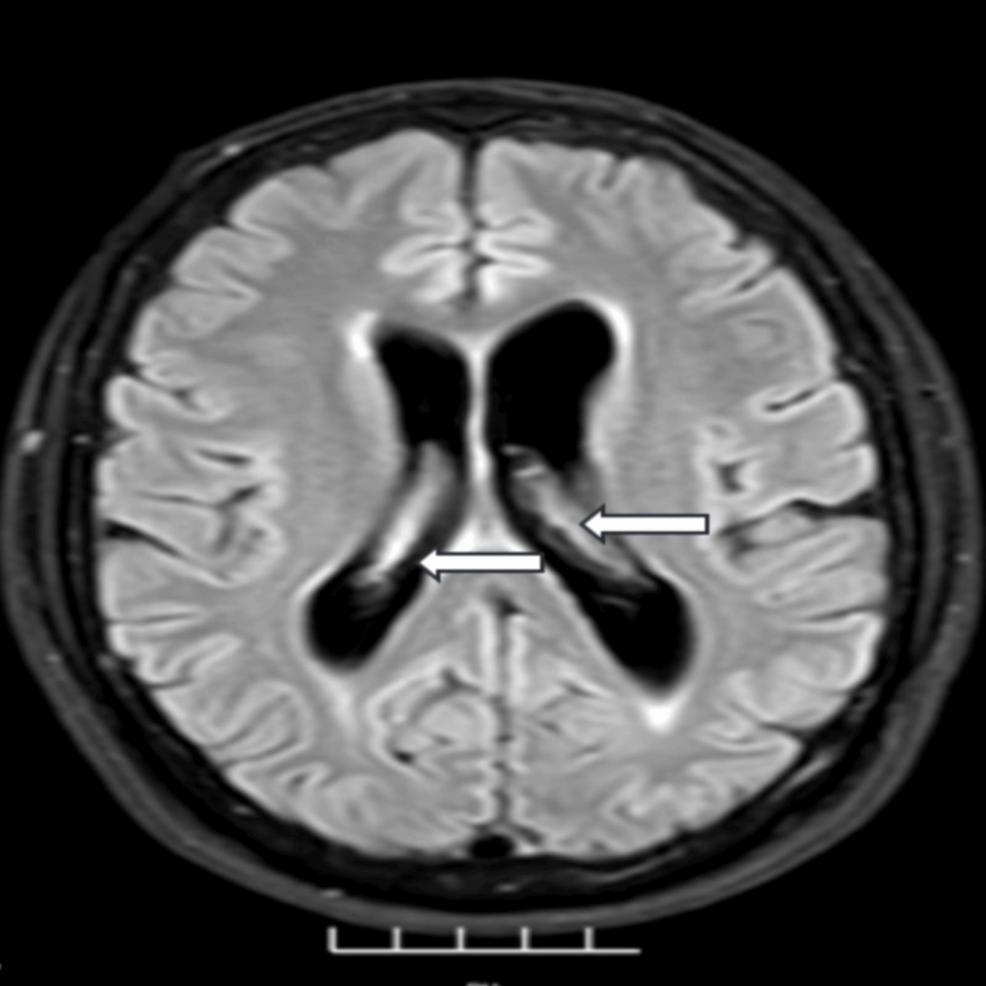
The patient, who was newly diagnosed with hyperthyroidism, presented to the emergency department with a single episode of loss of consciousness and vomiting. Neuroimaging revealed an intracranial hemorrhage with obstructive hydrocephalus. Laboratory evaluation showed agranulocytosis without thrombocytopenia, with persistent neutropenia despite normal platelet counts. “Carbimazole-induced agranulocytosis may occur early in therapy and can present without thrombocytopenia, which complicates timely recognition,” the researchers said in their case report published in Cureus.
The patient underwent ventriculoperitoneal shunting for the hydrocephalus. Following the procedure, he developed a multidrug-resistant Klebsiella pneumoniae infection. His treatment included the cessation of carbimazole, supportive care, and multidisciplinary management. The report emphasizes that the coexistence of intracranial hemorrhage and multidrug-resistant infection underscores the need for vigilance, rapid drug withdrawal, and coordinated intervention. After treatment, the patient achieved clinical stabilization and was discharged in a hemodynamically stable condition.
The case report highlights that while agranulocytosis is a recognized hematologic emergency, its association with neurological complications such as intracranial hemorrhage is exceedingly rare. The researchers said that routine hematological monitoring is essential for patients receiving carbimazole, even in the absence of thrombocytopenia.
They concluded that clinicians should maintain a high index of suspicion for agranulocytosis in carbimazole-treated patients presenting with febrile illness or neurological deterioration, as early recognition and intervention can be lifesaving, particularly when complicated by critical care challenges. The full case report is available in Cureus.