
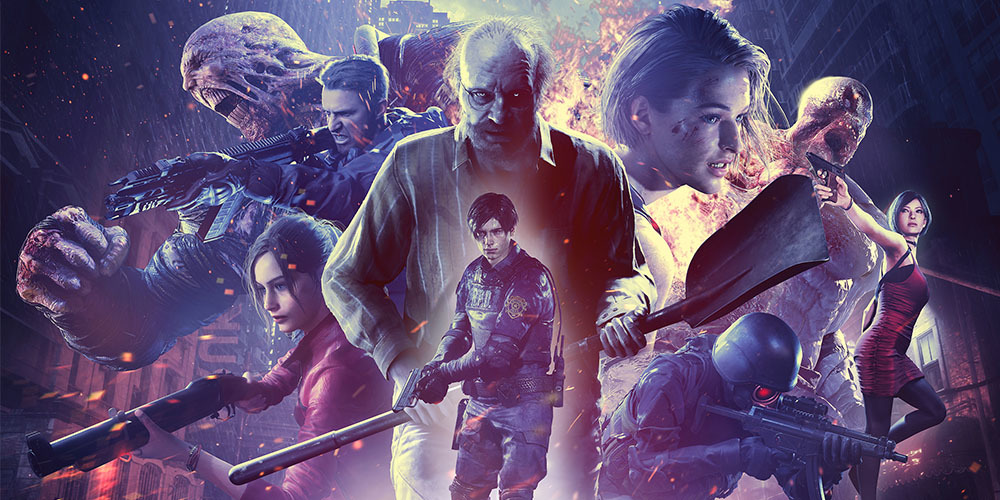
Capcom to Use AI for Efficiency, Not Content Creation in Games
Capcom, the Japanese video game giant behind franchises like Resident Evil and Monster Hunter, has clarified its position on the use of generative artificial intelligence in game development, stating it will not implement AI-generated assets directly into its games. The announcement came during a recent shareholders’ meeting, with a summary of the questions and answers publicized on March 23, 2026, according to Capcom’s investor relations office.
Whereas rejecting the integration of AI-created content, Capcom intends to proactively explore and utilize generative AI to enhance the efficiency and productivity of its development processes. The company indicated it is currently testing various applications of the technology across multiple departments, including graphics, sound, and programming. This approach aims to streamline workflows without compromising the core creative control over game assets.
The decision follows internal experimentation with AI tools, including a prototype “idea generation” system built using Google Cloud, revealed in January 2025. Capcom’s technical director, Kazuki Abe, described this system as a potential solution to the labor-intensive task of brainstorming and developing the vast number of unique ideas required for detailed game worlds, particularly in expansive titles like the Monster Hunter series. Abe noted the need to generate “hundreds of thousands of unique ideas” for environments and objects.
Capcom’s stance reflects a growing industry debate regarding the role of AI in game development. The company’s explicit rejection of AI-generated assets distinguishes it from other developers who are exploring more extensive integration of the technology. Capcom’s focus on using AI to improve internal processes, rather than replace human creativity, suggests a cautious approach to adoption.
The company’s briefing session summary did not detail the specific methods being tested for improving workplace efficiency, but confirmed ongoing experimentation within its graphics, sound, and programming divisions. Capcom’s investor relations office has not yet responded to requests for further clarification on the scope and timeline of these initiatives.