
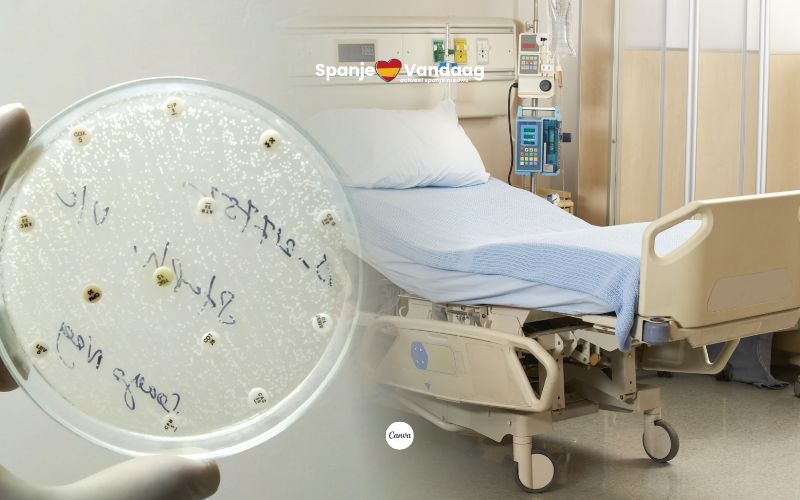
EU health Agency Warns of Escalating Candida auris Threat in Spanish Hospitals
The European center for Disease Prevention and Control (ECDC) has issued a warning regarding the increasing prevalence of the drug-resistant fungus Candida auris within Spanish hospitals. The fungus poses a significant risk to critically ill patients, notably those in intensive care units, where infection can be life-threatening.
Between 2013 and 2023, over 4,000 cases of C. auris were reported across the European Union and the UK. Spain accounts for nearly half of these, with more than 1,800 cases documented over the past decade. The situation worsened in 2023 alone, with 1,346 new infections identified in 18 European countries, making Spain the most heavily affected nation.
A key concern is the fungus’s frequent resistance to antifungal medications.C. auris can also persist on hospital surfaces and equipment for extended periods, facilitating its spread. The first outbreak in Spain was identified in Valencia in 2016, and new cases continue to emerge, not only in Valencia but throughout the country.
The ECDC now categorizes Spain as being in the highest risk group for C. auris. This signifies that in certain regions,the fungus has moved beyond isolated outbreaks and established a sustained presence.
Despite these alarming statistics,a fragmented approach to monitoring and control is hindering efforts to contain the spread. Currently, Spain lacks a national reporting system specifically for C.auris, and data sharing between hospitals is inconsistent. Furthermore, clear, standardized guidelines for infection prevention are not universally implemented.
The ECDC is urging improved coordination between hospitals and regional health authorities,the implementation of rapid reporting systems,and the enforcement of stricter infection control protocols. The agency emphasizes that early detection and collaborative action are crucial to mitigating the further spread of this hazardous pathogen.
