
## cancer Cells Boost Allies through Mitochondrial Transfer, Research Reveals
Research from ETH Zurich has uncovered a mechanism by which cancer cells actively manipulate surrounding healthy cells – specifically fibroblasts – to accelerate tumor growth. These “hijacked” fibroblasts exhibit increased proliferation, ATP production, and secretion of growth factors and cytokines, all contributing to a more aggressive tumor surroundings. They also remodel the extracellular matrix, the structural network surrounding cells, to better support cancer cell survival and growth.
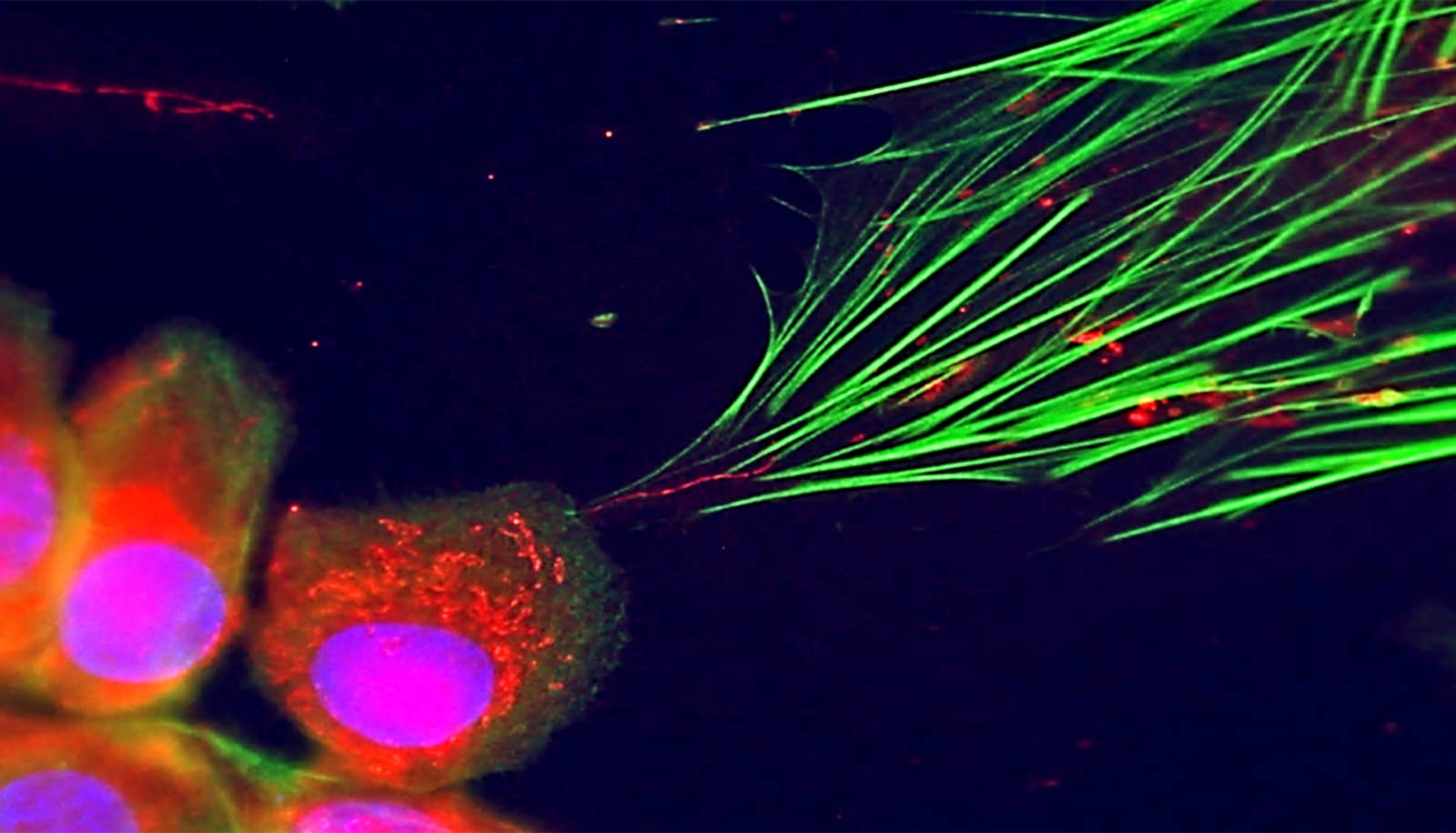
The finding, initially accidental, stemmed from observations made by researcher Michael Cangkrama. He noticed the formation of nano-scale,tube-like connections between skin cancer cells and fibroblasts in a laboratory co-culture. Through these connections, mitochondria - the cell’s powerhouses – are transferred *from* the cancer cells *to* the fibroblasts.
While mitochondrial transfer between cells isn’t a new phenomenon – it’s known to occur in nerve tissue after stroke to aid damaged cell recovery – this research demonstrates cancer cells are exploiting this natural process for their own benefit. Previous studies showed fibroblasts could transfer mitochondria *to* cancer cells,enhancing their fitness,but the reverse transfer had not been documented.
The research team, collaborating with other groups at ETH Zurich, found evidence of this reverse mitochondrial transfer occurring in other cancer types, including breast and pancreatic cancer. This is especially relevant to pancreatic cancer, given the high proportion of fibroblasts and extensive connective tissue within these tumors.Further investigation revealed a key protein involved in facilitating this transfer: MIRO2.Cancer cells actively transferring mitochondria produce considerably higher levels of MIRO2. The protein was detected not onyl in cell cultures but also in human tissue samples, specifically in tumor cells located at invasive tumor edges, in close proximity to fibroblasts.
Blocking the formation of MIRO2 successfully inhibited mitochondrial transfer in laboratory settings and in mouse models, preventing fibroblasts from becoming tumor-promoting.While promising,the researchers emphasize that the efficacy of a MIRO2 blockade in human tissue remains to be steadfast. The next step involves identifying a MIRO2 inhibitor with minimal side effects for potential clinical application.
Developing and testing such a therapy is expected to take several years.
*(Source: ETH Zurich)*
