
A Deep Dive into the Cellular “First Responder” System & Cancer Implications
This study, published in Nature Communications, unveils a captivating and previously unknown cellular defense mechanism – a rapid energy surge triggered by physical compression. It’s a significant finding with potentially broad implications, not just for understanding cancer, but for cell biology as a whole. Here’s a breakdown of the key takeaways and their meaning:
1. The Discovery: NAMs & the ATP Boost
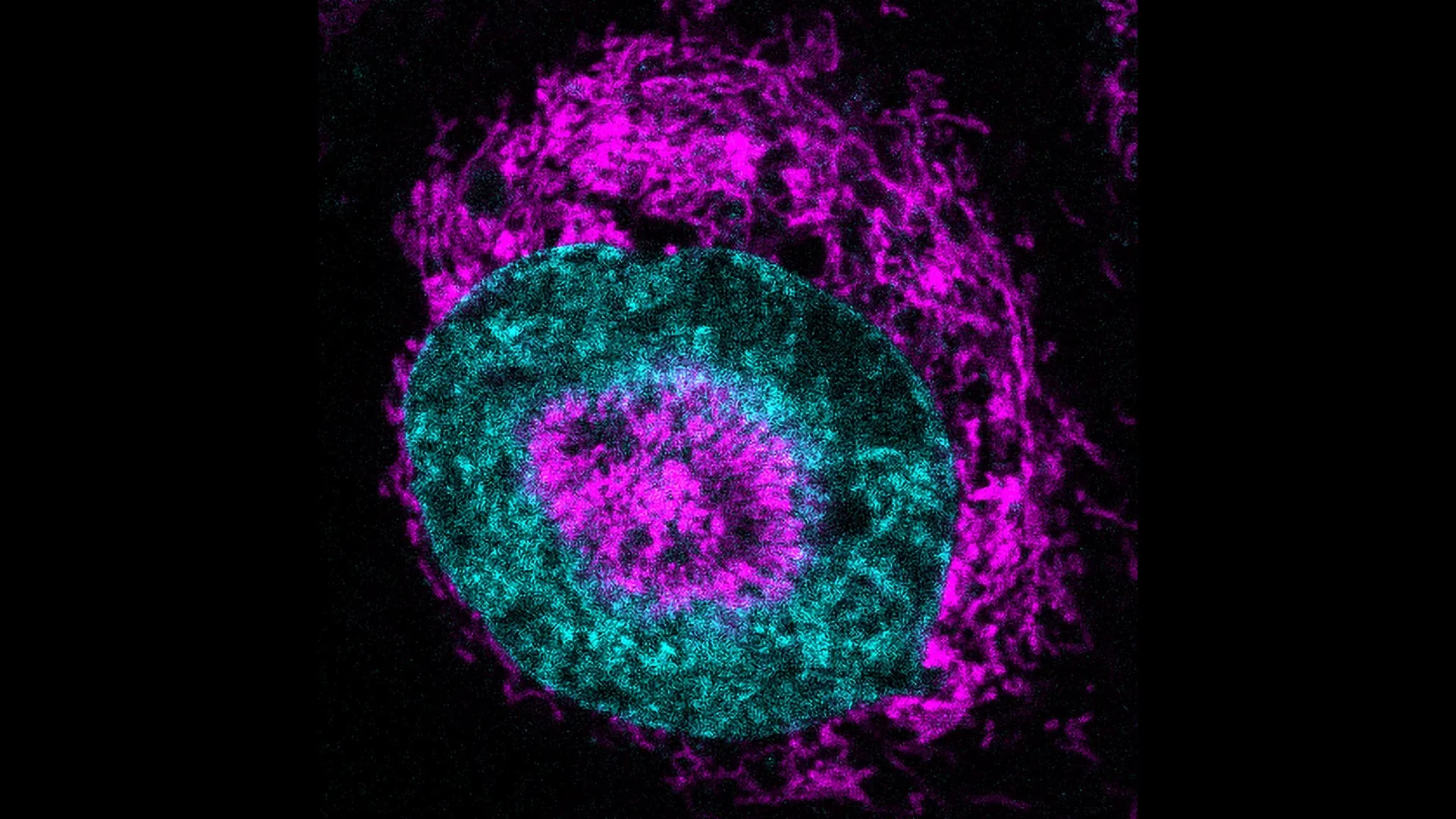
The core discovery revolves around “NAMs” (Nucleus-Associated Mitochondria). When cells, specifically HeLa cancer cells in this study, are physically squeezed, mitochondria don’t just passively exist – they actively rush to the nucleus and dramatically increase ATP production directly into the nucleus. This isn’t a gradual increase; it’s a 60% surge within seconds. This is a remarkable presentation of mitochondrial agility, challenging the conventional view of them as static powerhouses. They are, as Dr. Sdelci aptly puts it, “agile first responders.”
2. Why Does This Happen? DNA Damage & Repair
The researchers brilliantly connected this energy surge to a critical cellular need: DNA repair. Physical compression stresses DNA, causing breaks and tangles. Repairing this damage is energy-intensive, requiring ATP. the NAM-driven ATP boost provides the necessary fuel for the repair crews to quickly mend the genome. Cells without this boost struggle to divide properly, highlighting the importance of this mechanism for survival under stress.
3. Relevance to cancer: The Metastasis Connection
This isn’t just a lab curiosity. The study demonstrates a clear link to cancer progression. Analyzing breast tumor biopsies revealed a three-fold increase in NAM formation at invasive tumor fronts compared to the tumor core. This suggests that cancer cells actively utilize this mechanism to survive the mechanical stresses of:
* Tumor Microenvironment: Crawling through dense tissue.
* Blood Vessel Entry: Squeezing into narrow blood vessels.
* Circulation: Enduring the forces of the bloodstream.
Essentially, nams may be a key factor enabling cancer cells to metastasize - to spread and form new tumors.
4.The Cellular Engineering: A Elegant Scaffold
The study goes beyond what happens to how it happens. The formation of NAMs isn’t random. It’s orchestrated by a complex cellular scaffold built from:
* Actin Filaments: The same proteins responsible for muscle contraction, providing structural support.
* Endoplasmic Reticulum: A mesh-like network that physically traps the mitochondria in place.
Disrupting this scaffold (using a drug called latrunculin A) prevents NAM formation and halts the ATP surge, proving its crucial role.
5. Therapeutic Potential: Targeting the Scaffold
This discovery opens up exciting new avenues for cancer treatment. Instead of broadly targeting mitochondria (which coudl harm healthy cells), researchers propose focusing on disrupting the actin/ER scaffold that supports NAM formation. This could potentially “pin down” cancer cells, making them less invasive, while sparing healthy tissues. This is a significant advantage over many current cancer therapies.
6. Broader Biological Implications: A Universal Mechanism?
The authors rightly emphasize that this phenomenon likely isn’t limited to cancer cells. Any cell experiencing physical compression – immune cells navigating lymph nodes,neurons growing,developing embryos – could be utilizing this NAM-driven energy boost to protect its genome. This suggests a fundamental, previously unrecognized regulatory layer in cell biology.
this study is a landmark achievement. It reveals a dynamic and adaptive cellular response to mechanical stress, highlighting the incredible resilience of cells and offering a promising new target for cancer therapy. It’s a compelling example of how fundamental research can uncover unexpected mechanisms with far-reaching implications for human health.
