Canadian study reveals molecular signs in blood years before cancer
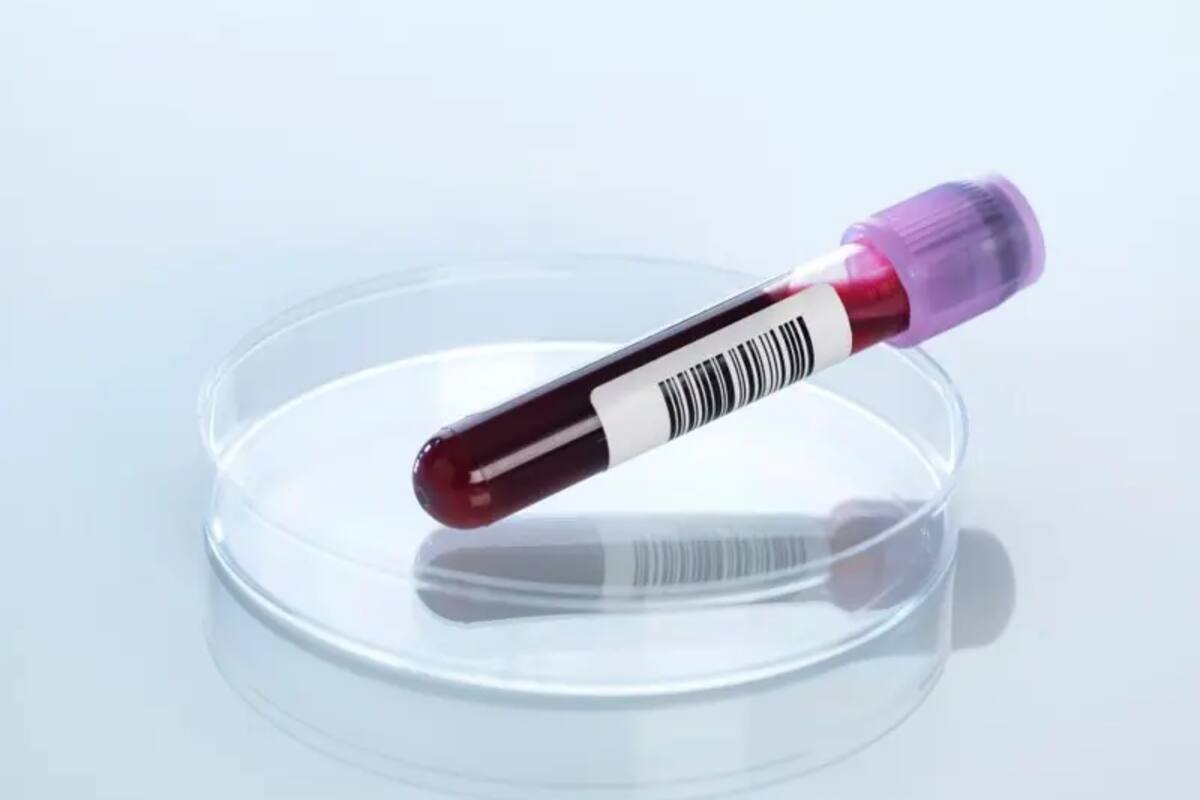
Routine blood draws taken years before a clinical cancer diagnosis can harbor molecular warning signs of the disease, according to a longitudinal study published in the scientific journal Cell Genomics. Researchers in Canada analyzed archived biological samples from population cohorts and discovered that epigenetic alterations and cell-free DNA signatures associated with future malignancies appear up to eight years before standard clinical detection methods identify a tumor.
- Archived blood plasma samples from healthy individuals who later developed cancer contained detectable epigenetic and cell-free DNA markers up to eight years prior to diagnosis.
- The strongest predictive signals emerged in prostate cancer patients, where distinct DNA methylation patterns in regulatory regions known as silencers identified individuals with a 3.55 times higher risk of developing the disease.
- Researchers note that while prostate cancer risk modeling showed consistent predictive accuracy, breast cancer markers exhibited lower overall predictability and varied widely across tumor subtypes and patient age groups.
Unlocking Biological Time Machines from Population Cohorts
The investigation utilized stored biospecimens from the Ontario Health Study, a large prospective Canadian cohort. Researchers from the University of Toronto, the Ontario Institute for Cancer Research, and the University of Oxford sought to determine whether circulating genetic material in plasma could expose early biological shifts preceding tumorigenesis. By cross-referencing blood donation records with provincial health registries, the scientific team identified participants who were healthy at the time of collection but subsequently diagnosed with either prostate or breast cancer.
Following strict quality control measures, the study examined 491 plasma samples. This cohort comprised 93 future prostate cancer patients, 171 future breast cancer patients, and 227 healthy controls. The collection timelines varied widely, spanning from just two weeks prior to a formal cancer diagnosis out to nearly nine years before any clinical symptoms or imaging findings emerged.
Epigenetic Modifications and Cell-Free DNA Signatures
At the center of the analysis was DNA methylation, a biochemical modification that modulates gene expression without altering the underlying genetic sequence. The team isolated cell-free DNA fragments—tiny pieces of genetic material shed from various bodily tissues into the bloodstream—to scan for regulatory anomalies. The data revealed epigenetic alterations in specific genomic regions that occurred far more frequently in participants who eventually developed cancer.
These molecular footprints correlated with biological pathways observed in established tumor tissues, as well as broader physiological shifts involving immune response and chronic inflammation. As stated by the study authors in the discussion of their work, these cell-free DNA changes originate from both tumor and non-tumor sources to reflect early stages of oncogenesis.
Divergent Predictive Power Between Prostate and Breast Cancer
The predictive performance of the blood-based assay varied considerably depending on the cancer type. The strongest findings materialized in prostate cancer analyses. Investigators identified specific methylation patterns within regulatory regions termed silencers that effectively stratified patient risk. Individuals flagged within the high-risk category demonstrated a 3.55-fold increased probability of developing prostate cancer compared to those in the low-risk tier. This elevated risk calculation remained statistically significant even after adjusting for confounding variables such as age, alcohol consumption, and family medical history.
Crucially, this predictive capacity endured across extended time horizons. The assay successfully detected these molecular signatures in individuals diagnosed five to eight years after their initial blood draw. Conversely, the predictive models for breast cancer yielded significantly lower accuracy. While researchers identified certain patterns linked to future breast cancer risk, the utility was constrained by tumor subtypes, patient age at collection, and the time elapsed since their last screening mammogram. Signals proved somewhat easier to detect in aggressive subtypes among younger women, though the authors acknowledged that practical clinical utility for breast cancer screening remains limited at this stage.
Interpreting Molecular Traces and Future Research Directions
The core biological question raised by the study involves the precise origin of these circulating epigenetic marks. Scientists outline two primary hypotheses. The first posits that the blood samples captured molecular output from microscopic, occult tumors that had already formed but remained below the resolution threshold of conventional imaging and diagnostics. The second suggests that the markers reflect an underlying systemic or tissue-specific vulnerability—a biological state constituting a high-risk cellular terrain before any localized lesion develops.

Current assay methodologies cannot yet differentiate between these two pathways, as a portion of the discovered signals mirrors patterns found in fully developed tumor tissue. Resolving this distinction will require larger, multi-ancestry prospective studies and refined sequencing technologies to determine whether early detection can reliably translate into preventive interventions or improved survival metrics.