Canadian Boy Dies of Rabies After Bat Encounter
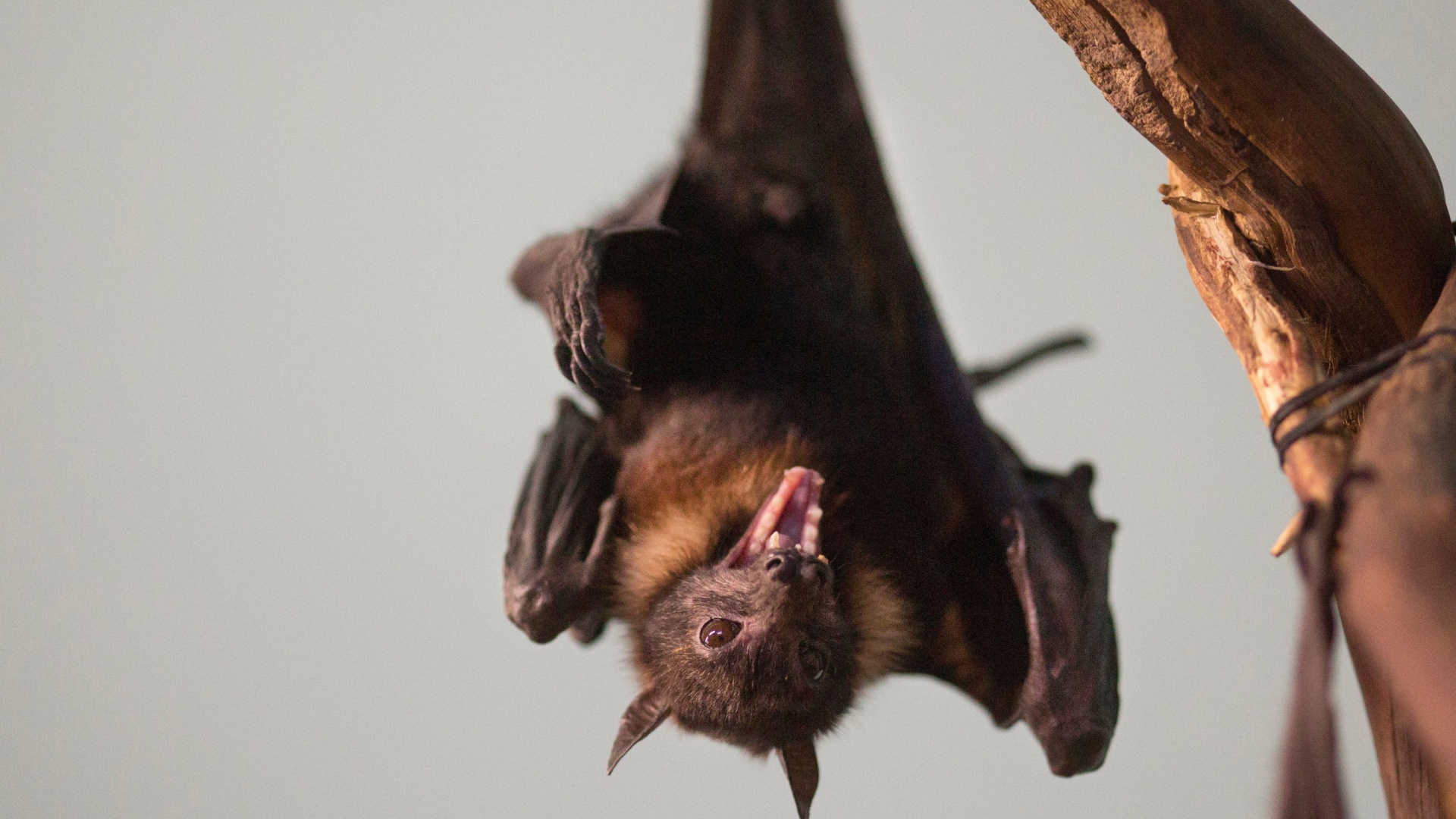
An 11-year-old Canadian boy died from rabies after waking up with a bat in his mouth, according to reports from CNN en Español and Univision.
- Key Clinical Takeaways:
The pathogenesis of rabies involves the virus entering the body through a bite or scratch, where it replicates in muscle tissue before traveling through peripheral nerves to the spinal cord and brain. In this specific case, the child’s exposure occurred while asleep, a scenario that often masks the initial trauma and delays the critical window for treatment. Because the rabies virus has a variable incubation period—ranging from weeks to several years—patients may not seek care until the virus reaches the brain, at which point the morbidity rate becomes absolute.
The clinical gap in this tragedy highlights a failure in early detection and the perceived low risk of bat encounters in residential settings. For families in high-risk wildlife zones, immediate triage is essential. It is highly recommended to consult with healthcare providers or specialized infectious disease clinics to ensure the correct administration of the rabies vaccine and rabies immune globulin (RIG).
Why is any bat contact considered a medical emergency?
Public health agencies classify bat encounters as high-risk because bat bites can be microscopic. A person may wake up with a bat in their room or mouth without feeling a distinct puncture wound, yet the virus can still be transmitted. According to Milenio, the danger lies in the fact that the virus is present in the animal’s saliva, and any mucosal membrane contact—such as the mouth—provides a direct pathway for infection.
The rabies virus causes an acute, progressive encephalomyelitis that is almost always fatal once symptoms appear, and the only way to prevent death is to treat the exposure before the virus reaches the central nervous system.
The standard of care for such an exposure involves a rigorous schedule of the rabies vaccine and the infiltration of human rabies immune globulin (HRIG) at the site of the wound. This dual approach provides immediate antibodies to neutralize the virus while the body begins producing its own immune response. Failure to initiate this protocol immediately after the encounter leads to an irreversible neurological decline.
How does the virus progress from a bite to fatality?
The rabies virus targets the nicotinic acetylcholine receptors at the neuromuscular junction. Once it enters the peripheral nervous system, it moves via retrograde axonal transport toward the brain. This process is slow, which is why the incubation period can be deceptive. However, once the virus crosses the blood-brain barrier, it triggers massive inflammation and neuronal dysfunction.

Clinical manifestations typically begin with a prodromal phase, including fever and headache, before progressing to the encephalitic stage. Symptoms often include hydrophobia (fear of water) and aerophobia, caused by extremely painful spasms in the throat when attempting to swallow. In the case of the 11-year-old boy, the progression from the initial bat contact to the terminal stage resulted in total systemic failure.
Managing these complex neurological crises requires specialized intensive care. Hospitals often coordinate with intensive care units to manage the symptoms of the patient, although these measures are palliative rather than curative once the disease has progressed.
What are the preventative measures and regulatory guidelines?
Global health bodies emphasize that rabies is entirely preventable through prompt vaccination. The current medical consensus suggests that anyone who wakes up and finds a bat in the room, even without a visible bite, should be evaluated for PEP. This is particularly true for children, the elderly, or those with compromised immune systems who may not notice a small wound.
From a regulatory and public health standpoint, the availability of the rabies vaccine is a critical component of healthcare infrastructure. In many regions, the scarcity of rabies immune globulin (RIG) creates a bottleneck in treatment. Pharmaceutical supply chains must be managed strictly to ensure that clinics have immediate access to these life-saving biologics. Healthcare administrators are often employed to mitigate these risks and ensure compliance with national health safety standards.
Research into new treatments continues, with some studies exploring the “Milwaukee Protocol,” though its efficacy remains highly debated in peer-reviewed literature. Most clinicians adhere to established guidelines, which prioritize prevention over attempted rescue after the onset of symptoms.
The death of this child serves as a stark reminder that the window for medical intervention in rabies cases is narrow and unforgiving. The transition from an asymptomatic encounter to a fatal neurological infection is a biological certainty without the intervention of post-exposure prophylaxis. To prevent such outcomes, immediate access to vetted healthcare providers and diagnostic centers is the only viable defense against this zoonotic threat. Families are urged to identify the nearest emergency care center equipped to handle wildlife exposure to ensure that no single encounter becomes a terminal event.
Disclaimer: The information provided in this article is for educational and scientific communication purposes only and does not constitute medical advice. Always consult with a qualified healthcare provider regarding any medical condition, diagnosis, or treatment plan.