Canada Wildfires Trigger Air Quality Advisory in New York City
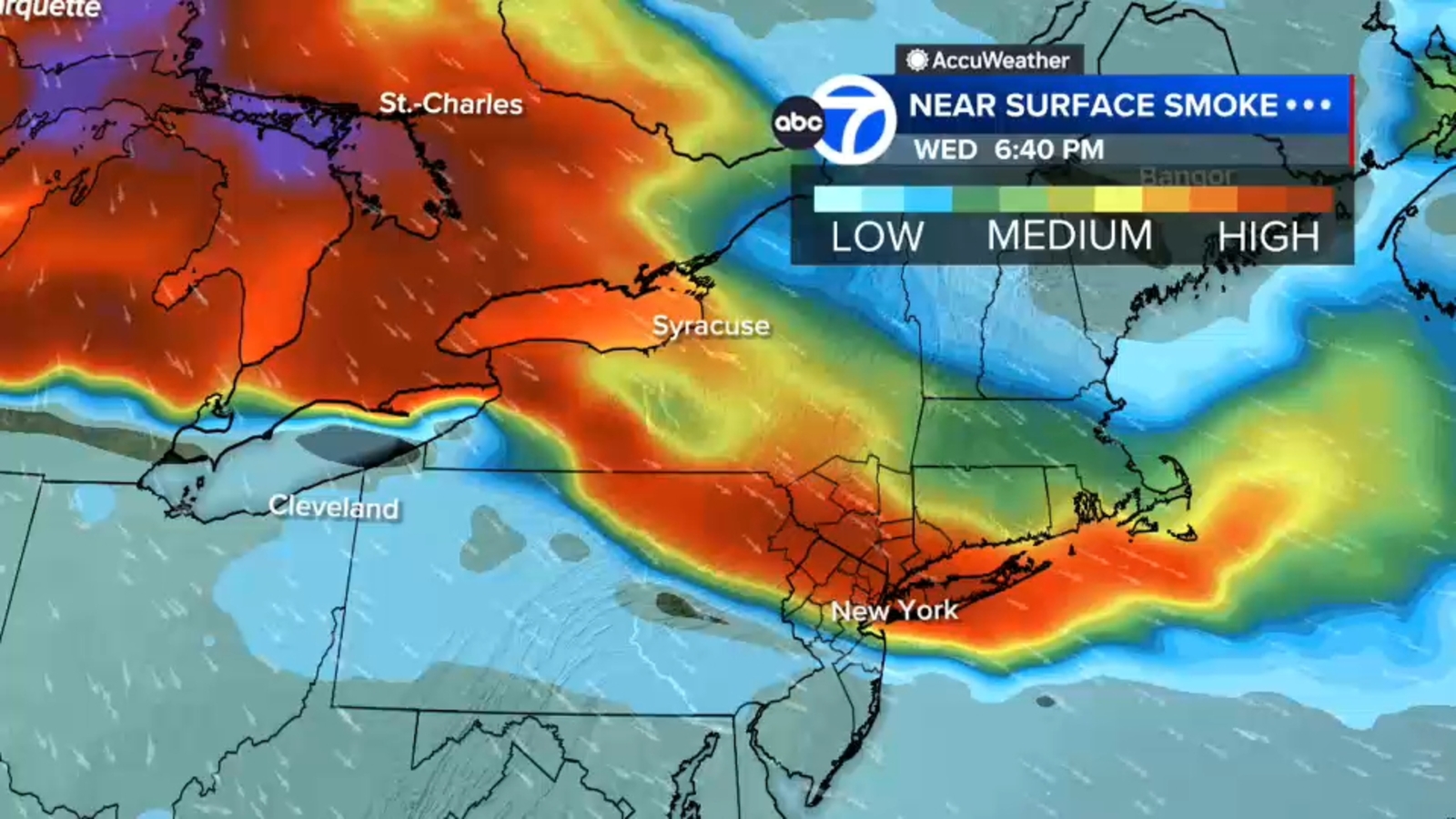
New York City and northern New Jersey remain under an active air quality advisory as of July 15, 2026, following the southward drift of particulate matter from hundreds of active wildfires in Canada. Local environmental agencies warn of elevated fine particulate matter (PM2.5) levels, prompting public health concerns for vulnerable populations across the tri-state area.
The Mechanics of Regional Air Quality Degradation
The current atmospheric conditions are a direct result of atmospheric transport patterns shifting smoke plumes from Canadian boreal forests into the Northeast corridor. According to the U.S. Air Quality Index (AQI) data, the influx of pollutants has pushed regional readings into the “unhealthy” range for sensitive groups. This persistent haze is not merely a visual disturbance; it represents a significant influx of microscopic pollutants that penetrate deep into the respiratory system.
Meteorological models indicate that the high-pressure system currently sitting over the Great Lakes is effectively acting as a funnel, directing smoke-heavy air toward the New York metropolitan area. This is a recurring environmental challenge, as climate shifts extend the traditional wildfire season in high-latitude forests.
Infrastructure and Health Resilience
The sudden decline in air quality forces a rapid recalibration of operational standards for commercial and residential buildings. As municipal health departments urge residents to limit outdoor exposure, the burden falls on property managers to ensure HVAC systems are equipped with high-efficiency particulate air (HEPA) filtration. For those managing aging building stocks, upgrading mechanical systems is no longer an optional capital expenditure but a necessity for occupant safety.
Property owners and facility managers facing these challenges often find that the technical requirements for industrial-grade air purification exceed standard maintenance capabilities. Securing vetted HVAC and air quality restoration contractors is the critical first step in mitigating internal pollution levels during prolonged smoke events.
The Economic and Legal Fallout
Beyond the immediate health risks, the wildfire smoke creates significant operational friction for construction, logistics, and outdoor event industries. When regional air quality reaches levels that trigger mandated work stoppages, companies face complex contractual disputes regarding “force majeure” clauses and labor safety compliance. Legal counsel is frequently required to interpret whether the air quality advisory constitutes a breach of site safety protocols or an excusable delay under existing service agreements.
For organizations navigating these complex regulatory landscapes, consulting specialized legal counsel is essential to shield assets and maintain compliance with local municipal safety statutes. The cost of non-compliance—ranging from OSHA investigations to litigation—often dwarfs the expense of proactive legal risk management.
Historical Context and Future Preparedness
This event follows a trend of increasing wildfire frequency documented by the National Interagency Fire Center. While the 2026 season has been particularly active, the structural impact on urban environments is becoming a seasonal fixture. Municipalities are now tasked with updating their disaster response frameworks to include long-duration air quality events, moving away from short-term emergency responses toward permanent, resilient infrastructure.
The intersection of environmental volatility and urban density requires a more sophisticated approach to civic management. For those tasked with community safety and organizational continuity, engaging with professional disaster management firms can provide the necessary planning tools to survive the next atmospheric cycle.
The Kicker
As the smoke clears, the underlying reality remains: the environment is shifting, and the city’s ability to thrive depends on its capacity to adapt. The infrastructure of tomorrow is built by those who recognize these patterns today. Whether through structural engineering, legal fortification, or environmental consultation, the path forward requires a partnership with experts who understand the stakes of a changing climate. Relying on verified professionals is the only way to ensure that your operations remain insulated from the next wave of instability.