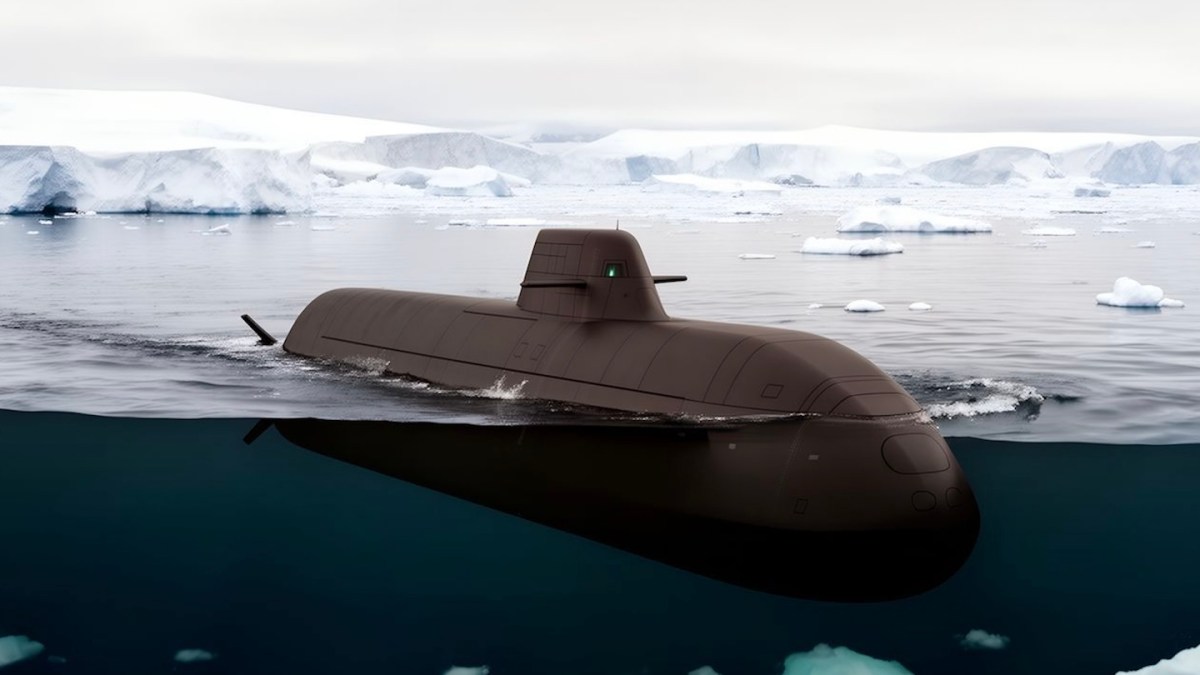
Canada Selects German Type 212 Submarines for Fleet Renewal
A Strategic Pivot to German Engineering
The Canadian government has selected the German-made Type 212 submarine to replace its aging Victoria-class fleet. This procurement plan, which involves the acquisition of up to 12 advanced diesel-electric vessels, is designed to modernize the Royal Canadian Navy’s underwater capabilities. Officials cite the move as essential for monitoring the Arctic and meeting NATO commitments.
Arctic Sovereignty and NATO Commitments
The decision to pursue the Type 212, manufactured by ThyssenKrupp Marine Systems, follows a lengthy period of uncertainty regarding the future of Canada’s submarine service. Mark Carney, the former Bank of Canada governor, emphasized the necessity of the purchase in the context of shifting geopolitical pressures. According to Bloomberg, Carney identified the melting Arctic ice as a critical factor, noting that increased access to northern sea routes requires a more robust maritime presence to protect national sovereignty.

This commitment to a 12-vessel fleet also addresses long-standing concerns regarding Canada’s defense spending within the NATO alliance. The federal government intends to signal a sustained investment in interoperability with allied naval forces, particularly as security challenges in the North Atlantic intensify.
Moving Beyond Secondhand Platforms
The transition to the Type 212 marks a departure from previous procurement strategies. The selection follows intense competition among international shipbuilders, with reports from Reuters and The Globe and Mail noting that the announcement was highly anticipated.
Closing the Capability Gap
The procurement of 12 submarines is intended to ensure that Canada maintains a continuous underwater presence.
The project is currently in the preliminary stages of formalization. While the government has confirmed the selection of the German manufacturer, it has yet to release final financial details or a delivery schedule for the first vessel.