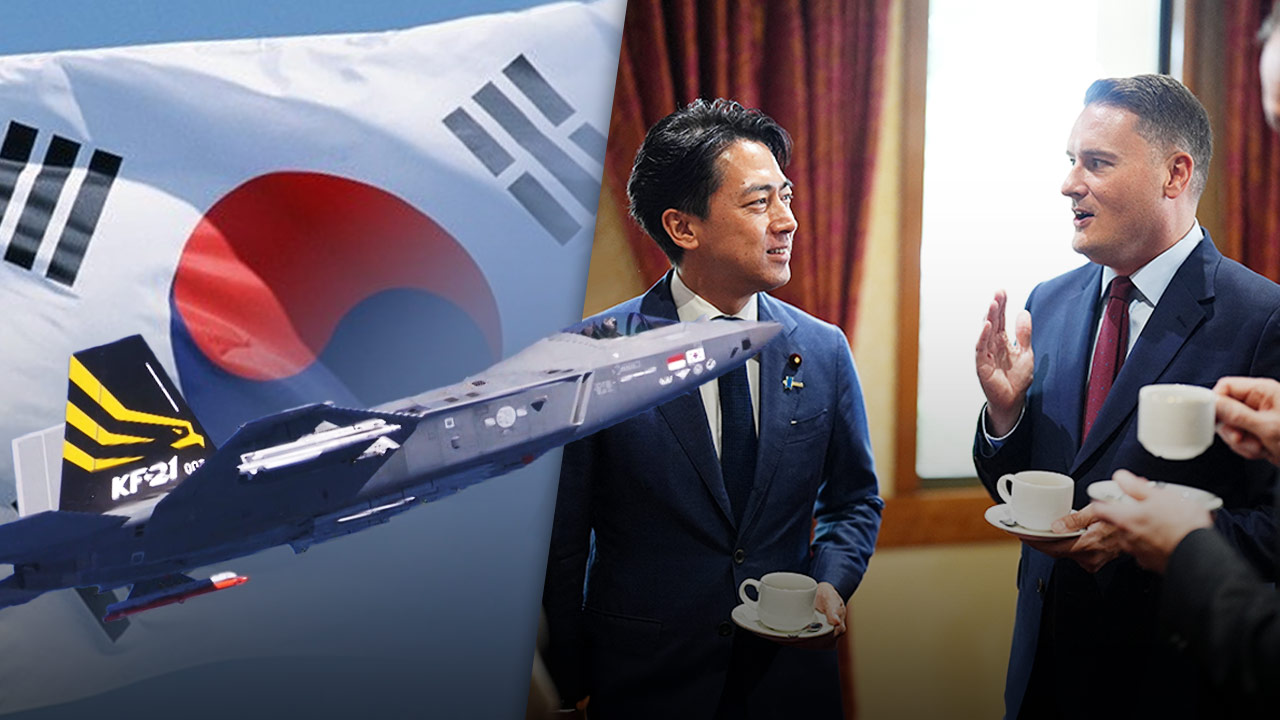
Canada Joins Global Fighter Jet Project as Observer
Canada has officially secured observer status in the Global Combat Air Programme (GCAP), the next-generation fighter jet initiative currently being co-developed by the United Kingdom, Italy, and Japan. According to reporting from MBC News, the decision places Ottawa inside the cooperative framework of the trilateral program as international aerospace analysts increasingly evaluate alternative defense procurement options, including South Korea’s KF-21 Boramae.
Strategic Shifts in Ottawa Defense Procurement
The move to join GCAP as an observer allows Canadian defense officials to monitor the technological milestones and industrial sharing agreements tied to the next-generation air dominance platform. David McGuinty, a prominent figure in Canadian parliamentary defense discussions, has tracked the evolving requirements of the Royal Canadian Air Force as aging fleets near their operational lifespans. Participating in GCAP observer sessions provides Ottawa with structured insight into how partner nations pool resources, share intellectual property, and coordinate manufacturing supply chains across international borders.
Yet, the path forward for Canadian procurement remains complex. Defense analysts point out that joining an early-stage development program does not guarantee a final acquisition contract. Industrial participation mandates, delivery timelines, and per-unit cost projections heavily influence every major defense milestone in Ottawa. When multi-billion-dollar military contracts stall or face integration roadblocks, industrial stakeholders must rely on specialized Corporate Defense Advisory and Legal Services to navigate bilateral trade compliance and regulatory hurdles.
Weighing Global Alternatives Against GCAP
International defense commentary has frequently contrasted the trilateral GCAP initiative with other modern tactical aircraft development programs. Foreign media outlets have scrutinized the cost-efficiency and production maturity of various options, frequently highlighting platforms such as South Korea’s KF-21 as a viable benchmark for cost-effective, rapid-schedule deployment. While GCAP targets sixth-generation capabilities with an ambitious operational target for the 2035 timeframe, procurement planners in nations like Canada must balance long-term technological horizons against immediate fleet readiness needs.

Navigating these overlapping defense industrial bases requires meticulous oversight. Municipalities and regional economic zones hoping to attract aerospace manufacturing or maintenance sub-contracts often collaborate closely with regional Economic Development and Trade Associations to position local industrial capacity for international supply chain integration.
Long-Term Implications for International Defense Partnerships
As Ottawa engages with the GCAP framework, the broader calculus of global defense alliances continues to shift. Observers note that trilateral cooperation between London, Rome, and Tokyo represents a major realignment of defense technology sharing outside traditional North Atlantic frameworks. Whether Canadian participation matures into a formal financial and industrial partnership or remains an exploratory observation effort will depend on upcoming parliamentary budget reviews and shifting strategic threats in the Arctic and Indo-Pacific regions.
Defense contractors and technology firms seeking to position themselves within these evolving international supply chains must maintain strict adherence to cross-border security protocols. Securing reliable International Compliance and Procurement Consultancies remains essential for commercial entities attempting to interface with government defense ministries during major platform transitions.