
Campbelltown Car Park & More: Australian Urban Design Awards 2026 Winners Revealed
Canberra, Australia – In a surprising turn at the 2026 Australian Urban Design Awards, a commuter car park in Sydney’s Campbelltown has been lauded as an example of “unexpectedly uplifting civic design.” The awards, announced Tuesday at Parliament House in Canberra, signal a shift in focus toward pragmatic urban solutions, prioritizing functionality and community benefit over architectural spectacle.
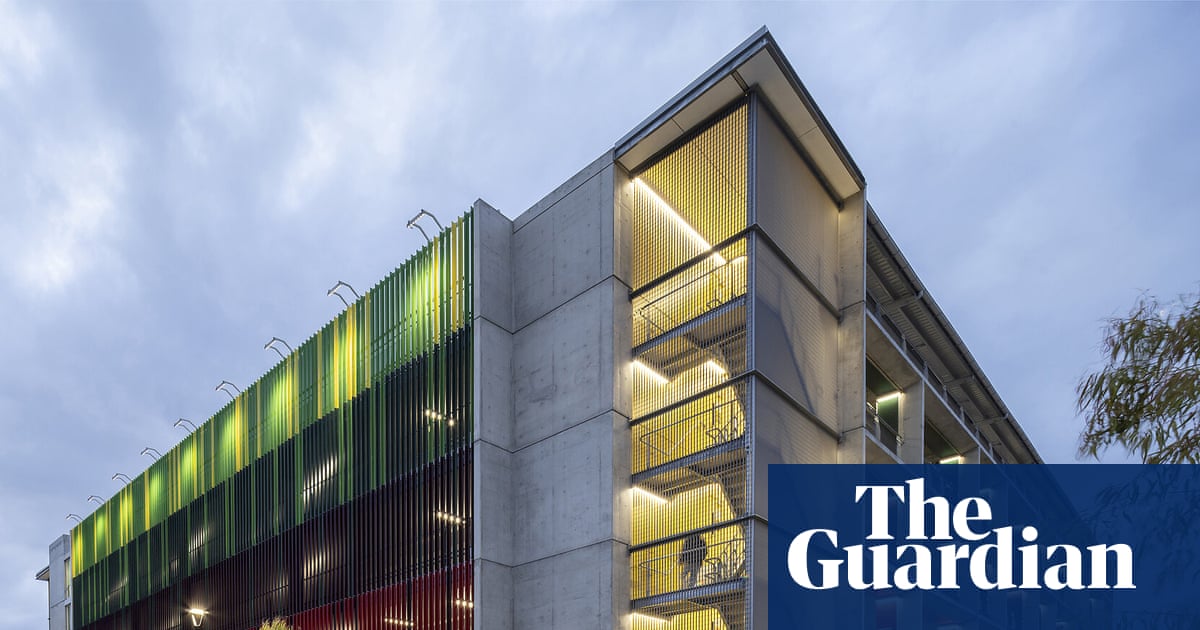
The Campbelltown station car park, designed by Hill Thalis Architecture + Urban Projects, was one of three projects to receive a Built Outcomes award. Judges praised the structure as “generous, resilient,” and a “little bit of paradise regained,” acknowledging its success in transforming a traditionally utilitarian space into something aesthetically pleasing and beneficial to the public. Katherine Sundermann, chair of the awards steering committee, stated that this year’s winners “reflect a gentler approach to urban transformation.”
The recognition of the car park reflects a broader trend, according to Sundermann, where “urban transformation works best when it involves diverse people, responds to the specifics of place, and improves places over time.” This contrasts with previous years that often favored high-profile, architecturally ambitious projects.
Beyond Campbelltown, the St Kilda Pier redevelopment in Melbourne too received an award. A collaboration between Jackson Clements Burrows Architects, Site Office Landscape Architecture, and AW Maritime, the project revitalized the historic pier, originally built in the 1850s. The redesign incorporates a “layered embrace” of the bay, with a wave wall serving both as a coastal defense and a sculptural seating area. Judges specifically noted the project’s success in balancing engineering requirements with the pier’s role as a tourist destination and its importance as a habitat for a colony of little penguins.
In Brunswick, Melbourne, Balam Balam Place, named for the Woi-wurrung word for butterfly, was also honored. The project transformed a site with a colonial past into a “vibrant cultural landscape,” acknowledging the area’s Indigenous history and its Victorian-era architecture. Judges commended its “deliberate sense of incompleteness” and its function as a bridge between the past and present.
The Australian Urban Design Awards are co-convened by the Planning Institute of Australia, the Australian Institute of Architects, and the Australian Institute of Landscape Architects. This year’s program saw over 80 entries across four categories: Built Outcomes, Research and Advocacy, Strategic Design and Policy, and Urban Design Champions. The winners in the Urban Design Champions category will be announced during the awards ceremony.
The New South Wales government also received recognition in the Strategic Design and Policy category for its housing pattern book. The judges described the initiative as an “openly democratic” approach to housing, designed to promote modest, flexible, and affordable urban living without compromising design quality. While acknowledging it isn’t a complete solution to the housing crisis, the judges praised the pattern book as a step towards more dignified and sustainable communities.
The awards ceremony in Canberra followed a talk by urban planner and author Rob Freestone, discussing his new book, Planning for a Continent of Cities. The winners will be published online Wednesday, March 25.