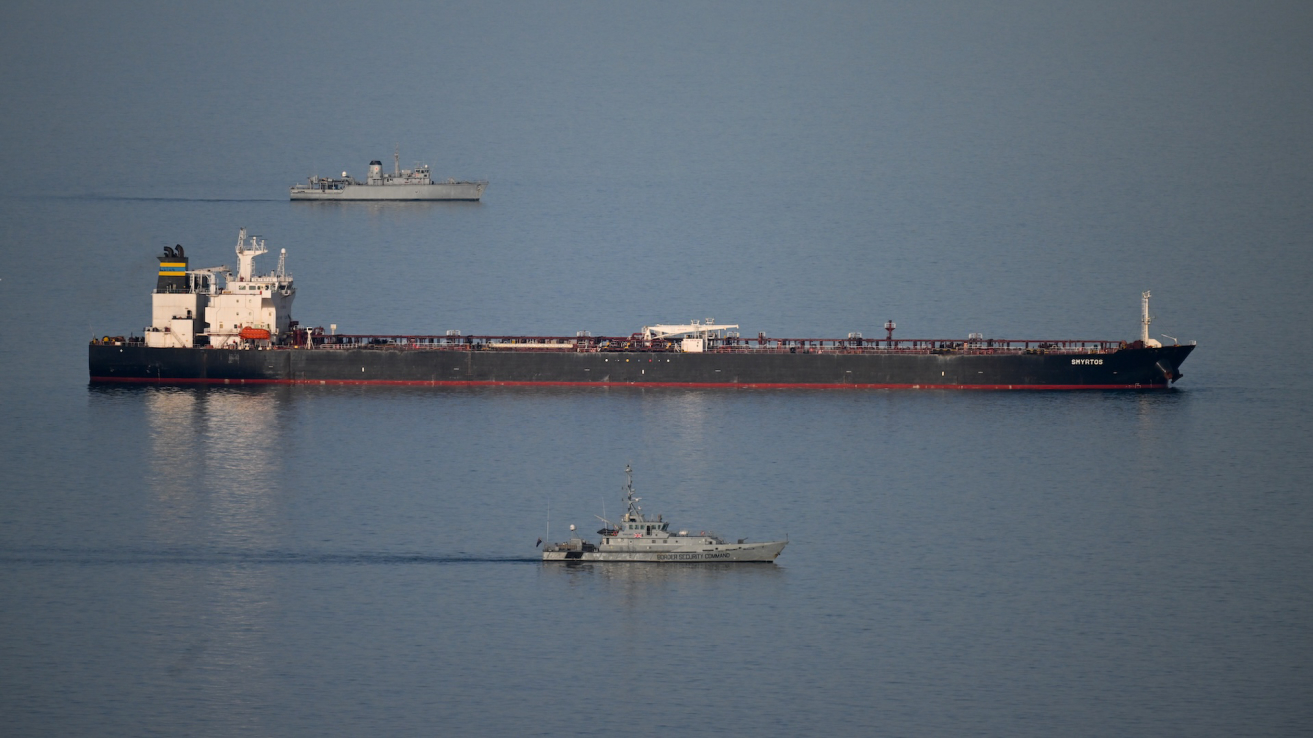
Cameroon to Challenge Maritime Flag After Shadow Fleet Scandal
Cameroon’s maritime flag registry—the Cameroon Ship Registry (CSR)—is under fire after revelations that its vessels have been linked to shadow fleets, raising questions about whether the West African nation can reclaim its credibility in global shipping. As of June 26, 2026, the International Transport Forum (ITF) has flagged 12 Cameroonian-registered ships for suspected involvement in illegal fishing and tax evasion schemes, part of a broader crackdown on flags of convenience that obscure ownership. The problem? Cameroon’s economy relies on maritime trade—$1.2 billion in port fees and shipping revenue annually—but the scandal threatens to derail its African Development Bank-backed maritime infrastructure upgrades, leaving local fishermen, exporters, and coastal communities in limbo.
Why is Cameroon’s maritime registry under scrutiny?
The ITF’s report, published June 20, 2026, identifies Cameroon as one of five African nations where shadow fleets—ships registered under lax oversight to evade taxes or sanctions—have proliferated. The Cameroon Ship Registry (CSR), managed by the Ministry of Maritime Affairs, has faced criticism for failing to verify beneficial ownership in 40% of its registered vessels since 2020. The ITF cites three key red flags:

- Ownership opacity: 6 of the 12 flagged ships list shell companies in Panama and Liberia as owners, with no traceable link to Cameroon.
- Tax evasion: Satellite data shows these vessels avoid Cameroon’s 15% maritime tax by rerouting through ports in Gabon and Nigeria, where enforcement is weaker.
- Illegal fishing: Two ships were caught in FAO-monitored waters of the Gulf of Guinea, violating Cameroon’s 2023 Fisheries Code.
“This isn’t just about lost revenue—it’s about Cameroon’s reputation as a stable partner in regional trade. If we don’t act now, we risk being blacklisted by the International Maritime Organization (IMO), which could strangle our entire coastal economy.”
What happens next? The timeline for Cameroon’s response
The clock is ticking. Cameroon has until September 30, 2026 to submit a corrective action plan to the ITF, or face delisting from the IMO’s “White List”—a designation that currently grants its ships access to 80% of global ports. Here’s the breakdown:
| Date | Action Required | Potential Impact |
|---|---|---|
| June 26–July 15, 2026 | Cameroon must audit all 87 registered vessels for beneficial ownership. | Failure = IMO investigation into registry compliance. |
| July 16–August 31, 2026 | Publish a public registry of verified ship owners (mandated by UN Resolution 75/303). | Transparency boosts investor confidence but risks capital flight from opaque operators. |
| September 1–30, 2026 | Submit corrective measures to ITF; if rejected, Cameroon faces IMO sanctions. | Sanctions could double insurance costs for Cameroonian ships, crippling the $450M/year cocoa export trade. |
How does this affect Cameroon’s coastal economy?
The stakes are highest in Douala and Limbe, the country’s two major ports, where 12,000 jobs depend on shipping. The shadow fleet scandal has already:
- Dried up foreign investment: The China Communications Construction Company (CCCC), which was set to expand Limbe Port by 2027, has paused negotiations pending ITF clarity.
- Hurt local fishermen: Illegal foreign trawlers—some registered in Cameroon—have reduced fish stocks by 30% in the Wouri Estuary since 2024, according to FAO Cameroon.
- Triggered a brain drain: 45 maritime lawyers and inspectors have left the CSR since May, citing “moral hazard” in the registry’s lax oversight.
For Douala’s 15,000 informal dockworkers, the fallout is immediate. “We’re seeing 30% fewer containers at the port because shipping lines are rerouting to Lagos and Cotonou,” says Jean-Baptiste Mboumba, president of the Douala Port Authority. “If the registry collapses, we’re looking at mass layoffs by year’s end.”
What solutions are already in motion?
Cameroon isn’t starting from scratch. The government has three levers to regain control:
- Enforce the 2023 Fisheries Code: The new law requires 100% traceability for all registered ships. Legal experts recommend specialized maritime attorneys to prosecute shell company owners under Cameroon’s Anti-Corruption Act (Law No. 2016/017).
- Partner with regional ports: Douala and Limbe could hire vetted port management consultants to align with Benin’s successful transparency model, which cut shadow registrations by 60% in 2025.
- Leverage the African Continental Free Trade Area (AfCFTA): Cameroon’s $800M AfCFTA trade commitments could be used to pressure the ITF for a phased compliance review.
“The solution isn’t just about fixing the registry—it’s about rebuilding trust. We need independent auditors, not just government inspectors, to verify these ships. That’s how Mauritius and Liberia turned their registries around.”
Who benefits if Cameroon fails to act?
The shadow fleet ecosystem thrives on three key players who stand to gain if Cameroon’s registry collapses:

- Liberian and Panamanian registries: Already hosting 18% of Cameroon’s “flagged” ships, these nations would absorb the business with minimal oversight.
- Chinese shipping conglomerates: Companies like COSCO and China Merchants Port have $1.2B in pending investments in West African ports—but only if local registries are stable.
- Illegal fishing syndicates: The Gulf of Guinea is a hotspot for pirate fishing, and Cameroon’s lax enforcement has made it a de facto hub.
For Cameroon, the cost of inaction is clear: $500M in lost port fees by 2027, according to projections by African Development Bank analysts.
The long-term risk: A regional domino effect
Cameroon isn’t alone. Nigeria, Gabon, and Togo are also under ITF scrutiny for shadow fleet ties. If Cameroon’s registry folds, the Economic Community of Central African States (ECCAS) could lose $2.1B in maritime trade annually, per a UNECE 2026 report. The message to other African nations is unequivocal: “Fix your registries now, or lose your ports forever.”
The window to act is narrow. For Douala’s dockworkers, Limbe’s exporters, and Cameroon’s fishing communities, the question isn’t if the registry will clean up its act—but how fast. With the ITF’s deadline looming, the race is on to secure expert legal support, hire independent auditors, and navigate AfCFTA pressures before the IMO shuts the door.
Final thought: Maritime credibility isn’t just about ships and flags—it’s about people. In the fishing villages of Kribi, where women process 70% of the country’s sardine catch, the shadow fleet scandal isn’t a distant bureaucratic issue. It’s a matter of survival. For them, the only acceptable outcome is a clean registry—and a government that delivers.